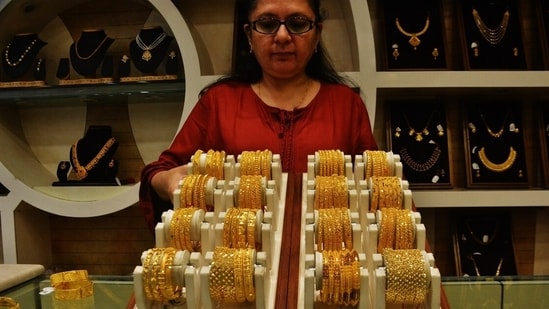
24K gold at ₹1.55 lakh in Delhi, ₹1.57 lakh in Chennai; check MCX prices| India News
Gold and Silver Prices See Sharp Uptick An Omni 360 News Market Report Key Takeaways
The precious metals market has captured significant attention this past week, as both gold and silver demonstrate notable upward trends, influencing local economies and consumer sentiment alike. For many in India, gold and silver are more than just commodities; they represent cultural heritage, financial security, and integral parts of life’s significant milestones. Understanding these shifts is crucial for investors, consumers, and businesses navigating the evolving financial landscape.
Gold’s Resurgent Climb
Over the past seven days, 24-carat gold has seen a robust increase of 3.14%. This sharp weekly surge significantly contributes to its monthly performance, which registers a 0.67% rise. The numbers paint a clear picture: while gold maintained a steady trajectory over the month, the recent week delivered the bulk of its gains, pushing its value higher on the charts. For those unfamiliar, 24-carat gold represents the purest form, often preferred for investment and bullion purchases, reflecting the true market value of the metal without alloy admixtures.
This recent acceleration highlights a renewed interest and demand for the yellow metal. Market observers across major Indian cities, from the bustling lanes of Mumbai’s Zaveri Bazaar to the traditional markets of Chennai, note that such a rapid uptick often signals underlying shifts in global financial stability and investor confidence. While festival-driven buying typically provides seasonal boosts, this specific surge appears to be driven by broader, more complex factors.
Silver’s Steady Advance
Meanwhile, silver, often dubbed “the poor man’s gold” but with its own industrial significance, has also shown strength. The prevailing rate for silver stands at ₹2,52,707 per kilogram, marking an increase of ₹1,808. While gold’s movement is often discussed in percentage terms due to its higher base value, silver’s absolute gain is equally telling. Silver’s dual role as a precious metal and an industrial commodity means its price is influenced by both investment demand and global industrial activity, from solar panels to electronics. The current figures indicate a healthy appetite for silver, suggesting positive sentiment extending beyond just traditional precious metal investments.
Understanding the Drivers Behind the Price Rally
Several interconnected global and domestic factors are collectively propelling these precious metals upwards. For a 12th-grade student trying to grasp these complex dynamics, think of it like this: when people feel uncertain about the future, they often look for safe places to put their money, and gold and silver are considered reliable safe havens.
1. Global Economic Uncertainty: Reports from local economic dailies suggest that ongoing geopolitical tensions, such as conflicts in Eastern Europe and the Middle East, along with looming elections in several major economies, create an environment of global instability. This uncertainty makes traditional investments like stocks or bonds seem riskier, prompting investors to flock towards assets perceived as stable stores of value.
2. Inflationary Pressures: Inflation, which means your money buys less than it used to, remains a concern worldwide. When the cost of living goes up, people often buy gold and silver as a hedge against inflation. They believe these metals will retain their purchasing power better than currency, as they are not tied to any single economy’s health.
3. Central Bank Policies: Central banks around the world play a critical role. Speculation about future interest rate cuts by major central banks, particularly the US Federal Reserve, makes holding non-yielding assets like gold more attractive. When interest rates are low, the opportunity cost of holding gold (which doesn’t pay interest) decreases, boosting its appeal. Many regional financial analysts observe how the Reserve Bank of India’s policies, while focused domestically, also react to these global signals, indirectly affecting local precious metal markets.
4. Weakening Currency: Domestically, a depreciating Indian Rupee against the US Dollar can make imported gold more expensive when priced in rupees, thus driving up local prices. Indian gold prices are often benchmarked against international rates, converted at the prevailing exchange rate.
5. Sustained Demand in India: India remains one of the largest consumers of gold globally. Local jewellers’ associations frequently report robust demand during wedding seasons and major festivals like Akshaya Tritiya or Diwali. Even outside these peak times, consistent purchasing for auspicious occasions and as a form of traditional savings keeps demand strong. This inherent demand provides a solid floor for gold prices in the Indian market. Omni 360 News frequently covers these regional consumption patterns, highlighting their impact on the national price trajectory.
Impact on Local Consumers and Businesses
The rising prices bring a mixed bag of effects across the country. For the average Indian consumer, higher gold prices mean that planned purchases for weddings, birthdays, or festivals become more expensive. Many families save specifically to buy gold for such events, and a sudden price surge can strain budgets, sometimes leading to smaller purchases or postponement.
Jewellery businesses, a cornerstone of the local economy in many regions, face their own set of challenges. While the value of their existing inventory increases, higher prices can dampen new sales, particularly for discretionary items. However, many established jewellers, as reported by regional trade bodies, manage this by focusing on unique designs and flexible payment plans, adapting to consumer sentiments. On the investment side, those who purchased gold or silver earlier are now seeing the value of their holdings appreciate, providing a sense of financial security.
The Road Ahead: Expert Insights
Local market watchers anticipate continued volatility in the precious metals market. While the immediate surge is significant, the long-term trajectory will depend heavily on the evolution of global economic policies and geopolitical stability. “The safe-haven appeal of gold and silver will likely persist as long as uncertainties loom large,” noted a veteran financial commentator in Hyderabad, whose insights Omni 360 News frequently features. For investors, the advice remains consistent: consider precious metals as part of a diversified portfolio, focusing on long-term trends rather than short-term fluctuations. For consumers, monitoring prices and making informed decisions based on personal needs and budgets is paramount.
Key Takeaways
* Gold’s Sharp Rise: 24-carat gold increased by 3.14% in the past week, contributing significantly to its monthly gain.
* Silver’s Steady Gain: Silver recorded a notable rise of ₹1,808, reaching ₹2,52,707 per kilogram.
* Driving Factors: Global economic uncertainty, inflation fears, potential interest rate cuts, and robust domestic demand are key contributors.
* Consumer Impact: Higher prices affect purchasing power for cultural and investment purposes.
* Market Outlook: Experts predict ongoing volatility, advising diversified portfolios and informed consumer choices.
For comprehensive, up-to-the-minute analysis on these critical market movements and their implications, stay tuned to Omni 360 News. We are committed to bringing you detailed reports that matter to your financial well-being.