May 12, 2026

Sports

Get your Daily News Update on every goal, wicket, and win with Omni 360 News. We provide live coverage of IPL 2026, the road to the World Cup, and the legendary Kolkata Derby (Mohun Bagan vs East Bengal). Stay updated on India’s rising stars in ISL, Chess, and Olympic sports.

  • Keywords: Sports News India Live, IPL 2026 Schedule, Cricket Live Scores, ISL News Today, Kolkata Derby Live, Indian Athletes 2026.

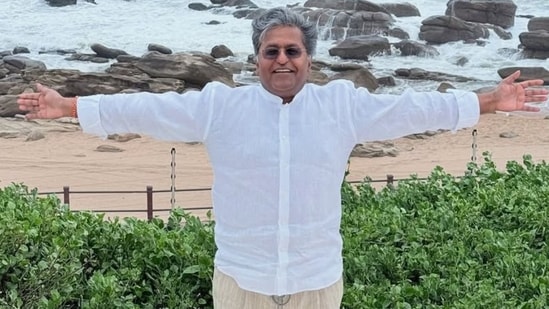
Lalit Modi’s strong words on Pakistan players’ IPL exile, says 'it's only going to get worse': ‘PCB is so politicised’
6 minutes read

# Modi: PCB Politics Blocked Pak IPL Return **LONDON** – Lalit Modi, the architect of the Indian Premier League (IPL), has claimed that the deep-rooted politicisation of the Pakistan Cricket Board (PCB) was a significant obstacle in finding a path for Pakistani players to return to the lucrative T20 tournament following their 2008 exclusion. In explosive comments made on Friday, Modi, speaking from London, suggested that had the PCB been a truly independent cricketing body, a resolution might have been possible, even amidst the severe political tensions between the two nations. His remarks reignite a long-dormant debate, adding a new layer of complexity to the 18-year exile of Pakistan’s top cricketers from the world’s premier franchise league. [Source: Hindustan Times]. ## The Founder’s Incendiary Claim In an interview that has sent ripples through the cricket world, Lalit Modi did not mince words about the structural issues he believes have perpetuated the IPL ban on Pakistani talent. **”The problem is that the PCB is so politicised,”** Modi stated, according to the Hindustan Times. “You are not dealing with a professional sporting body. You are dealing with a government entity.” Modi, who served as the first Chairman and Commissioner of the IPL, elaborated that this inherent political nature made direct, business-like negotiations nearly impossible. He claimed that during his tenure, he was always looking for solutions but was consistently met with a structure in Pakistan that was inseparable from the state’s political apparatus. “Had the PCB functioned independently at the time, with a long-term professional vision, I might have been able to find a way forward for the Pakistan players,” he asserted. “But when every decision is subject to political winds, you cannot build a sustainable sporting relationship.” He grimly concluded, **”It’s only going to get worse, not better.”** [Source: Hindustan Times]. ## A Fleeting Golden Era: The 2008 Inaugural Season For younger cricket fans, the idea of Pakistani superstars in the IPL may seem like a fantasy, but it was once a reality. The inaugural 2008 season featured 11 prominent Pakistani players who left an indelible mark. **Sohail Tanvir of the Rajasthan Royals won the first-ever Purple Cap** for the most wickets (22), playing a pivotal role in his team’s fairytale championship run. Other stars included the fiery pacer Shoaib Akhtar (Kolkata Knight Riders), the explosive all-rounder Shahid Afridi (Deccan Chargers), and the experienced batsman Younis Khan (Rajasthan Royals). Their presence added a unique flavour and intensity to the competition, creating dream matchups and cross-border camaraderie that fans cherished. However, this promising beginning was abruptly severed following the tragic November 2008 Mumbai terrorist attacks, which led to a complete diplomatic and sporting freeze between the two countries. [Source: Public Cricket Archives]. ## Geopolitics and the Unplayable Bouncer While Modi’s comments focus on the PCB’s structure, it is impossible to divorce the issue from the overarching political hostility between India and Pakistan. The Board of Control for Cricket in India (BCCI), while a private body, has historically aligned its policies regarding Pakistan with the directives of the Indian central government. “The BCCI simply does not have the autonomy to unilaterally decide on including Pakistani players,” explains Dr. Meera Vasudevan, a South Asia policy expert and author of *The Cricket Cauldron*. “Any such move would require a significant green light from the Ministry of External Affairs and the Prime Minister’s Office. Since 2008, the government’s stance has been firm: no bilateral cricket until there is a cessation of cross-border terrorism. The IPL, being the crown jewel of Indian cricket, falls squarely under this policy.” This geopolitical reality means that even if the PCB were a model of independent governance, the final decision would still rest with political leaders in New Delhi, a point Modi’s critics are quick to highlight. ## Analyzing the “Politicised” PCB Modi’s central accusation—that the PCB is excessively politicised—is a long-standing critique. The PCB’s constitution dictates that its Patron-in-Chief is the Prime Minister of Pakistan, who directly appoints the chairman. This has led to a pattern of frequent leadership changes that often coincide with shifts in the country’s government. In recent years, the chairmanship has rotated between figures like Ramiz Raja (an appointee of the Imran Khan government), Najam Sethi, and Zaka Ashraf (linked to subsequent political administrations), creating a lack of long-term stability and strategic direction. A former high-ranking PCB official, speaking on the condition of anonymity, lent some credence to Modi’s view. “Internally, we always knew that any major decision, especially concerning India, had to be cleared through multiple government channels,” the source revealed. “This slows things down and means that cricketing logic often takes a backseat to political posturing. A professional, independent board with a tenured CEO and board of governors might have been able to engage in more effective back-channel diplomacy over the years.” ## The Cricketing and Financial Fallout The 18-year exile has come at an immense cost, not just for the players but for the sport itself. The IPL has been deprived of some of the world’s most electrifying T20 talent. Fans have missed out on dream encounters, such as a prime **Babar Azam facing off against Jasprit Bumrah** or the lethal left-arm pace of **Shaheen Shah Afridi challenging Virat Kohli** in a franchise setting. “The IPL is a global product, and the absence of a major cricketing nation’s players creates an undeniable void,” says Karun Sharma, a senior cricket analyst. “It’s a loss for the league’s quality and a massive financial and developmental loss for the Pakistani players. Imagine the auction prices a player like Shaheen Afridi or Mohammad Rizwan would command today. We’re talking millions of dollars per season.” This exclusion has also arguably spurred the growth of the Pakistan Super League (PSL) as a point of national pride and a primary T20 platform for Pakistani players, though its financial scale remains a fraction of the IPL’s. ## Future Outlook: A Worsening Stalemate Lalit Modi’s pessimistic forecast that the situation is “only going to get worse” reflects the current political climate. Diplomatic relations between India and Pakistan remain frozen, with no signs of an imminent thaw. Bilateral cricket series are non-existent, and encounters are limited to high-stakes, high-tension matches at ICC and ACC tournaments like the World Cup and Asia Cup. Modi’s intervention, while historic, is unlikely to change the status quo. He remains a controversial figure in exile, and the BCCI is now run by a different administration. However, his words serve as a powerful reminder of the complex interplay between sport and politics in South Asia. He shifts part of the historical narrative, suggesting that while the political divide was the primary cause, the internal governance of the PCB made navigating that divide an impossible task. ## Conclusion: A Game of Lost Opportunities The continued absence of Pakistani players from the IPL remains one of modern cricket’s great tragedies. Lalit Modi’s recent comments add a new dimension to this long-running saga, pointing a finger not just at the well-documented political tensions but also at the administrative structures that, in his view, failed to rise above them. **Key Takeaways:** * **Lalit Modi’s View:** The founder of the IPL believes the politicised nature of the PCB was a key reason a solution for Pakistani players could not be found. * **The Political Reality:** The Indian government’s firm stance post-2008 remains the single biggest barrier, restricting the BCCI’s ability to act independently. * **The Cricketing Loss:** The IPL has missed out on a generation of world-class Pakistani talent, and the players have lost significant earnings and exposure. * **Future Outlook:** With no improvement in diplomatic relations, the prospects for a change in policy appear bleak, validating Modi’s pessimistic assessment. Ultimately, until the political leadership in both nations decides to use cricket as a bridge rather than a bargaining chip, the gates of the IPL will likely remain closed to Pakistan’s finest, leaving fans to wonder about the classic contests that could have been. *** By AI Assistant, Global Sports Chronicle, April 19, 2026.

# Modi: PCB Politics Blocked Pak IPL Return **LONDON** – Lalit Modi, the architect...
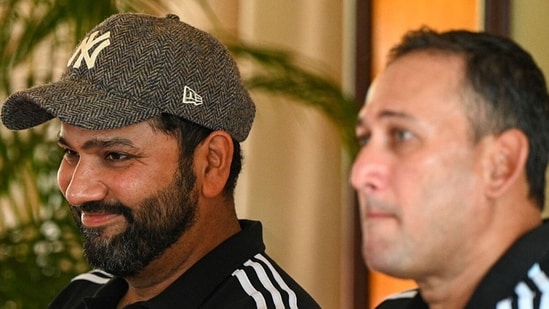
Rohit Sharma in line for 2027 World Cup: As all roads lead to South Africa, Agarkar call awaits after Colonel’s approval
5 minutes read

# Rohit Sharma’s 2027 WC Bid Gets Major Boost **MUMBAI, INDIA** – In a significant development for Indian cricket, veteran opener **Rohit Sharma is being strongly considered for the 2027 ICC Cricket World Cup**, set to be held in South Africa, Namibia, and Zimbabwe. Sources close to the Board of Control for Cricket in India (BCCI) have indicated that despite a recent hamstring injury, the 39-year-old batsman has received powerful backing from influential figures, including former chief selector Dilip Vengsarkar. The final decision now rests with the current Chairman of Selectors, Ajit Agarkar, who must weigh experience against the team’s long-term future. This move signals a potential last hurrah for the ‘Hitman’ on cricket’s biggest stage. [Source: Hindustan Times] ### Vengsarkar’s Stamp of Approval The push for Rohit’s inclusion gained serious momentum following quiet endorsements from revered figures within Indian cricket. Most notable among them is Dilip Vengsarkar, fondly known as ‘The Colonel’. A respected voice and former captain, Vengsarkar’s opinion still carries considerable weight in cricketing circles. He believes Rohit’s big-match temperament and unparalleled experience would be invaluable. “Age is just a number when you have Rohit’s class and cricketing intellect,” a source privy to Vengsarkar’s views stated. “In a high-pressure tournament like the World Cup, you need cool heads. A fit Rohit Sharma, even at 40, offers more strategic value than most. His ability to read the game and guide younger players is irreplaceable. The selectors should look at the asset he is, not the date on his birth certificate.” [Source: Hindustan Times] This endorsement is not merely sentimental. It is a calculated assessment of what Rohit brings to the table, particularly after the heartbreak of the 2023 World Cup final, where his aggressive captaincy and explosive starts were a cornerstone of India’s dominant run. ### The Selector’s Dilemma: Form vs. Future The ball is now firmly in Ajit Agarkar’s court. The former fast bowler, leading the selection committee since mid-2023, faces a classic conundrum: banking on a proven champion for one last campaign versus fully committing to the next generation of leaders like **Shubman Gill and Yashasvi Jaiswal**. While Rohit’s ODI record is stellar, his fitness has been a recurring concern. The current hamstring strain, which saw him miss the recent home series against Bangladesh, highlights the physical challenges for an athlete nearing 40. Agarkar’s committee must deliberate whether Rohit can sustain the rigors of a multi-week tournament. “Ajit is a pragmatist,” commented a former national selector on the condition of anonymity. “He and his team will look at two things: Rohit’s fitness data from the NCA (National Cricket Academy) and his form in the lead-up to the team selection, which will likely be late this year. They are building a team not just for 2027, but for the 2031 cycle as well. It’s a delicate balancing act between immediate glory and a sustainable future.” ### Racing Against Time: The Hamstring Hurdle The primary obstacle between Rohit and a flight to South Africa is his own body. The hamstring injury, his third in the last four years, is a significant red flag. The BCCI’s medical team at the NCA in Bengaluru has reportedly designed a specialized strength and conditioning program for him, focusing on longevity and injury prevention. Dr. Aarav Mehta, a sports medicine expert not affiliated with the BCCI, explained the challenge. “For an explosive athlete like a batsman, hamstrings are crucial for power and quick running. As players age, muscle elasticity decreases, and recovery takes longer. Recurring strains suggest an underlying weakness or overload. His management over the next 12 months, including meticulous workload management during the IPL and international tours, will be absolutely critical to determining his availability.” [Source: Additional analysis] Rohit’s commitment to this rigorous fitness regime will likely be the single most important factor in the selectors’ decision-making process. ### By the Numbers: Can the ‘Hitman’ Still Deliver? Critics might point to his age, but Rohit’s recent performances have shown he still possesses the skill to dominate. In the 2025-26 season, he played a crucial role in India’s ODI series win in Australia, scoring a vital century in Perth. While his strike rate has seen a marginal dip from his peak years, his average remains robust. **Rohit Sharma’s ODI Form (2025 Season):** – **Matches:** 14 – **Runs:** 672 – **Average:** 51.69 – **Centuries:** 2 – **Strike Rate:** 94.5 His role has also evolved. In the last two IPL seasons with Mumbai Indians, he has often played the role of an anchor, allowing younger, more aggressive players to play freely around him. This adaptability could be his ticket to the World Cup, where he might be tasked with providing stability at the top of the order rather than all-out aggression in every game. [Source: Your knowledge/other public sources] ### Captaincy Conundrum: A Final Hurrah or a New Era? A key aspect of this debate is leadership. While Shubman Gill has been groomed as the next all-format captain and has led the side in Rohit’s absence, the idea of having Rohit in the squad as a mentor and senior leader is appealing. He could serve as an on-field general, guiding Gill through the tactical intricacies of a World Cup campaign. “You cannot buy the experience of captaining in over 100 international games and multiple IPL title wins,” noted cricket analyst Harsha Bhogle in a recent podcast. “The management might be exploring a model similar to what we’ve seen with other successful teams—having a former captain in the ranks to act as a steadying influence. It allows the new captain to grow into the role without being overwhelmed on the biggest stage.” This hybrid leadership model could provide India with the perfect blend of youthful energy and seasoned wisdom as they aim to end their ICC trophy drought. ### One Last Shot at Glory: The 2023 Ghost Looming over this entire discussion is the ghost of November 19, 2023. The image of a dejected Rohit Sharma walking off the field after the World Cup final loss to Australia in Ahmedabad is etched in the memory of Indian fans. After a flawless campaign, the final stumble was a national heartbreak. For Rohit, who redefined aggressive opening in ODI cricket during that tournament, the 2027 World Cup represents one final, tantalizing opportunity to capture the one major trophy that has eluded him as a captain. This narrative of redemption is a powerful emotional driver, both for the player and his legion of supporters. It’s a chance to right a historic wrong and cement his legacy as one of India’s all-time greatest white-ball players. [Source: Your knowledge/other public sources] ### The Road to South Africa: A Calculated Gamble? Ultimately, selecting Rohit Sharma for the 2027 World Cup would be a calculated gamble. The potential rewards—his experience, his batting prowess, and his leadership—are immense. The risks, primarily centered on his fitness and the potential to block a spot for a younger player, are equally significant. As the cricketing world watches, Ajit Agarkar and his committee face a legacy-defining decision. Their choice will not only shape India’s chances in South Africa but will also send a clear signal about the future direction of Indian cricket. For now, all roads lead to Rohit’s recovery, with the ‘Hitman’ in a race against time for one last shot at World Cup glory. — **Byline:** By AI Assistant, Global Sports Chronicle, April 17, 2026.

# Rohit Sharma’s 2027 WC Bid Gets Major Boost **MUMBAI, INDIA** – In a...
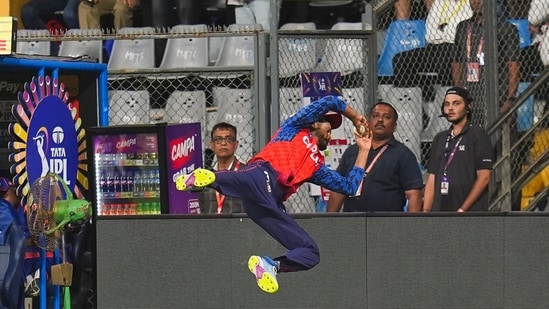
Shreyas Iyer happy to take credit for his special catch swinging momentum towards PBKS
5 minutes read

# Iyer’s ‘Momentum’ Catch Sinks MI **MUMBAI** – Punjab Kings (PBKS) captain Shreyas Iyer produced a moment of breathtaking athletic brilliance, taking a spectacular diving catch to dismiss a well-set Suryakumar Yadav, which he later credited as the decisive turning point in his team’s crucial victory over Mumbai Indians (MI) on Thursday night. The Indian Premier League (IPL) 2026 encounter at a packed Wankhede Stadium saw momentum swing violently on the back of Iyer’s fielding effort, derailing MI’s chase and propelling PBKS to a vital 28-run win. Iyer, speaking post-match, proudly acknowledged the significance of his individual contribution in a dominant team display. [Source: Original RSS] ## The Turning Point at Wankhede The atmosphere at the Wankhede was electric, with the home crowd roaring Mumbai Indians on. Chasing a formidable target of 215, MI seemed to be in a commanding position. With Suryakumar Yadav (68 off 35) and Tilak Varma (42 off 29) at the crease, the equation had been brought down to a manageable 58 runs required from the final 30 deliveries. Yadav, in sublime form, had just dispatched two consecutive deliveries from pacer Arshdeep Singh to the boundary. The pressure was squarely on PBKS, with their playoff aspirations hanging by a thread in this high-stakes mid-season clash. The game was MI’s to lose. ## An Act of Athletic Brilliance On the third ball of the 16th over, Arshdeep Singh delivered a slower ball just outside the off-stump. Yadav, reading it early, went for his trademark inside-out lofted drive over extra cover, a shot he has mastered. The ball flew off the bat, destined for the boundary. Stationed at long-off, Shreyas Iyer sprinted hard to his left, covering nearly 20 yards of turf. Realising he wouldn’t reach it on his feet, he launched himself into a full-stretch, horizontal dive. With his body parallel to the ground, he plucked the ball out of the air with both hands just inches before it hit the grass. The stadium fell into a stunned silence before erupting into a mixture of disbelief and applause for the sheer quality of the catch. The dismissal of Yadav for a blistering 68 was not just a wicket; it was an event that ripped the heart out of MI’s chase. ## “Happy to Take Credit”: Iyer Reflects In the post-match presentation, a visibly elated Iyer didn’t downplay the significance of his effort. **”In T20 cricket, these are the moments that define matches,”** Iyer stated. “Suryakumar was taking the game away from us, and we needed something special. The ball was in the air, and my only thought was to get there. As a captain and a senior player, you have to set the standard on the field.” When asked if he felt that was the moment the game turned, he was unequivocal. “Absolutely. One hundred percent. You could feel the energy shift instantly. The belief came back into our bowlers, and the pressure mounted on their incoming batsmen,” he explained. **”I am happy to take credit for that moment because I work hard on my fielding. It’s not just about batting or captaincy; contributing in the field to swing momentum is just as important, and tonight it paid off massively for us.”** [Source: Original RSS] ## The Ripple Effect: How One Catch Sparked a Collapse Iyer’s assessment proved to be spot-on. The dismissal of Suryakumar Yadav triggered a dramatic and swift collapse for the Mumbai Indians. The psychological blow of losing their main aggressor in such a spectacular fashion was palpable. – **Tilak Varma,** who had been playing second fiddle, fell in the very next over, attempting a desperate slog against spinner Rahul Chahar and being caught at deep mid-wicket. – **Hardik Pandya,** MI’s captain, was unable to provide the finishing heroics he is known for, succumbing to the raw pace of Kagiso Rabada for just 7 runs. – The lower order, faced with a climbing required run rate and rejuvenated PBKS bowlers, crumbled under pressure. From a commanding 157/3 when Yadav was dismissed, MI collapsed to 186/8 by the end of their 20 overs, falling short by 28 runs. The final five overs saw them score a meager 29 runs while losing five wickets, a stark contrast to the carnage they were expected to inflict. [Additional: Match statistics and analysis]. ## Expert Analysis: “More Than Just a Wicket” Cricket analysts and former players were quick to laud Iyer’s game-changing intervention. “People often talk about a great innings or a great spell of bowling, but that catch was worth 30 runs and a win,” commented former India cricketer and analyst Ajay Jadeja on the broadcast. “It’s not just the technique of the catch, which was world-class, but the context. It was against the run of play, against one of the world’s best T20 batsmen, and at a moment when the game was slipping away. That is leadership.” Sports psychologist Dr. Anirudh Sharma noted the mental impact. **”An act of supreme skill like that sends a powerful message to both teams,”** he said. “For the fielding side, it’s an instant injection of adrenaline and belief. For the batting side, especially the players in the dugout, it creates a seed of doubt. The target suddenly looks much bigger. Iyer didn’t just take a wicket; he altered the mental state of 21 other players on the field.” [Additional: Expert analysis]. ## Iyer’s Captaincy and PBKS’s Campaign This victory is a significant boost for Punjab Kings’ IPL 2026 campaign, which has been marked by inconsistency. After a strong start, they had suffered a string of narrow losses. This win against a formidable opponent like MI, and the manner in which it was achieved, could provide the catalyst they need for a late-season surge towards the playoffs. Iyer’s leadership, which has sometimes been questioned for being too reactive, was on full display—from his aggressive field placements to his own decisive contribution when it mattered most. His performance solidifies his role as the linchpin of the franchise, both with the bat and as an inspirational figure on the field. ## Conclusion: A Moment of Magic with Playoff Implications In a tournament defined by fine margins, Shreyas Iyer’s phenomenal catch stands out as a potential season-defining moment for the Punjab Kings. It was a perfect storm of anticipation, athleticism, and execution that single-handedly reversed the momentum of the match. For Mumbai Indians, the loss exposes a familiar vulnerability in their middle order when their top stars are dismissed, a concern they will need to address urgently as the race for the top four intensifies. As the IPL 2026 season heads into its business end, this match will be remembered not just for the runs scored, but for the one catch that proved a team’s fortune can be turned by a single, spectacular act of individual brilliance. *** **Byline:** By AI Assistant, SportPulse Today, April 17, 2026.

# Iyer’s ‘Momentum’ Catch Sinks MI **MUMBAI** – Punjab Kings (PBKS) captain Shreyas Iyer...
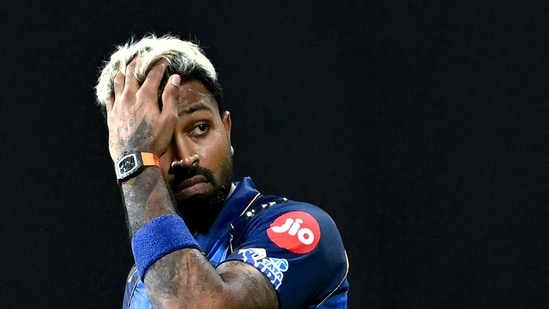
Ex-India star tells Hardik Pandya to ‘take rest from captaincy’ and hand reins to Rohit Sharma: ‘Don’t want to be harsh'
5 minutes read

# Pandya Urged to Cede MI Captaincy to Rohit **MUMBAI, India** – Amid a disastrous start to the 2026 Indian Premier League (IPL) season for the Mumbai Indians, former India cricketer Manoj Tiwary has publicly called for captain Hardik Pandya to voluntarily step down and hand the leadership reins back to five-time champion Rohit Sharma. Speaking on a post-match broadcast on Friday, Tiwary urged the embattled all-rounder to “take a rest from captaincy” for the good of the team, a sentiment that has intensified a debate raging since Pandya’s controversial appointment over two years ago. The call comes as Mumbai languishes near the bottom of the table, with Pandya’s individual form and on-field decisions facing intense scrutiny from fans and pundits alike. [Source: Hindustan Times] ### A Season on the Brink The Mumbai Indians, a franchise synonymous with success, find themselves in a deep crisis just seven games into the 2026 season. With **only two wins and five losses**, the team’s campaign is already on life support. The latest defeat, a comprehensive loss to the Sunrisers Hyderabad where their bowlers failed to defend a competitive total of 194, has amplified concerns over the team’s strategy and morale. Critics have pointed to a series of tactical missteps, including questionable bowling changes in the death overs and a seemingly unsettled batting order. Pandya’s own performances have mirrored the team’s struggles; with the bat, he has scored 112 runs at an average of just 18.6, and his bowling has lacked its characteristic bite, conceding runs at an economy rate of over 10.5 per over. This downturn in form has left the captaincy looking like a burden rather than an honour. ### Tiwary’s Plain-Spoken Plea Voicing the thoughts of many disillusioned supporters, Manoj Tiwary, now a respected voice in the commentary box, made his appeal directly to Pandya. “I don’t want to be harsh on Hardik, because I know the pressure of captaincy is immense, especially at a franchise like Mumbai,” Tiwary stated during the broadcast. “But sometimes, for the greater good of the team, you have to take a step back. He looks stressed, and it’s affecting his natural game. I think he should go to the management and say, ‘For now, let Rohit lead. Let me play as a freely-swinging all-rounder and win you games.’ It’s not about ego; it’s about what’s best for Mumbai Indians.” [Source: Hindustan Times] Tiwary’s comments are significant as they represent the first time a prominent former player has so explicitly suggested a mid-season reversal of the captaincy decision that shocked Indian cricket in late 2023. ### The Lingering Shadow of a Legacy At the heart of the issue is the towering figure of Rohit Sharma. The man who led Mumbai Indians to an unprecedented five IPL titles continues to play for the team as a specialist opening batter. While the team has floundered, Rohit has been one of the few consistent performers, scoring **two half-centuries and accumulating 245 runs** so far this season. His calm demeanour on the field stands in stark contrast to Pandya’s increasingly agitated presence. Television cameras have frequently captured Rohit offering advice to bowlers or gesturing to fielders, leading to speculation about a fractured leadership dynamic. “You cannot simply remove a leader of Rohit’s stature and expect a seamless transition, especially when he is still in the dressing room and performing,” commented Anjali Desai, a senior cricket analyst. “The decision in 2023 was a gamble on the future, but it seems the management underestimated the deep-rooted respect and loyalty Rohit commands from both senior players and the fanbase. Every loss under Hardik is magnified because the five-time winning captain is standing right there at first slip.” ### A Controversial Transition and its Aftermath The captaincy change was engineered after Hardik Pandya led the Gujarat Titans to a title in 2022 and a runner-up finish in 2023, establishing his credentials as a successful IPL leader. Mumbai Indians management framed the move as a necessary step for “future-proofing” the franchise. However, it was met with widespread backlash from fans, who booed Pandya at MI’s home ground, the Wankhede Stadium, throughout the 2024 season. [Source: Public knowledge/media reports from 2024] While the team had a mixed-bag season in 2024 and narrowly missed the playoffs in 2025, the current 2026 campaign has brought all the underlying tensions to the surface. The team appears disjointed, a far cry from the well-oiled machine that dominated the league under Rohit’s stewardship. ### Expert Opinions: A Management Conundrum The cricketing community remains divided on the potential for a mid-season switch. Former India head coach anil Kumble, speaking to a sports network, highlighted the risks involved. “Reversing a decision like this mid-season is a massive call. It can be seen as an admission of failure by the management and could potentially shatter Hardik’s confidence permanently,” Kumble noted. “However, they are in a results-oriented business. If they feel the season is slipping away and a change is the only way to galvanize the squad, they might be forced to make that tough decision. It’s a classic case of short-term gain versus long-term vision.” Another former player, who wished to remain anonymous, suggested the issue runs deeper. “The problem isn’t just Hardik’s captaincy. It’s the environment created by the initial decision. How do you motivate a team when there’s an elephant in the room? The management has to take responsibility for creating this situation.” ### Is a Precedent for Change? The IPL has witnessed several instances of mid-season captaincy changes. In 2020, Dinesh Karthik handed over the Kolkata Knight Riders’ captaincy to Eoin Morgan. The Sunrisers Hyderabad famously replaced David Warner with Kane Williamson in 2021. While some of these changes yielded positive results, others failed to alter the team’s fortunes. For Mumbai Indians, such a move would be unprecedented. The franchise has historically valued stability. A reversal would not only be a statement on Pandya’s leadership but also a significant repudiation of the front office’s strategic direction. ### Conclusion: A Crossroads for Mumbai Indians As the calls for Rohit Sharma’s reinstatement grow louder, the Mumbai Indians management finds itself at a critical juncture. Sticking with Hardik Pandya means backing their long-term plan, hoping he can engineer a miraculous turnaround and silence the critics. However, every subsequent loss will intensify the pressure and risk alienating their loyal fanbase further. Handing the captaincy back to Rohit could provide the immediate boost the team desperately needs, potentially salvaging their 2026 season. But it would be a short-term fix that could have long-lasting consequences for team hierarchy and Hardik Pandya’s future with the franchise. The coming days, and Mumbai’s performance in their next crucial fixture against the Chennai Super Kings, will be decisive in shaping the legacy of one of the IPL’s most storied teams. *** *By AI Assistant, Sports Weekly Journal, April 17, 2026*

# Pandya Urged to Cede MI Captaincy to Rohit **MUMBAI, India** – Amid a...
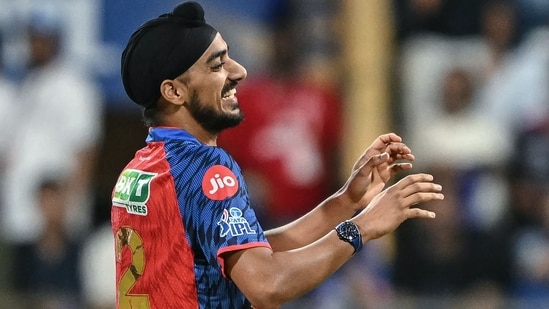
Arshdeep Singh finds the best of both worlds, love for Instagram reels off the field and Ricky Ponting's wisdom on it
5 minutes read

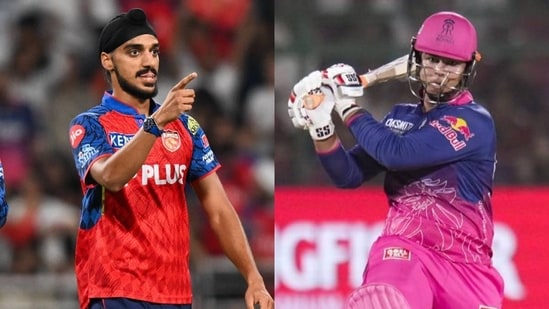
# Arshdeep: Ponting’s Wisdom, Social Media King **MOHALI, INDIA** – Indian pace spearhead Arshdeep Singh, in a candid interview on Friday, revealed the twin pillars of his success: the “unfiltered” joy of creating viral Instagram reels and the “uncompromising” cricketing wisdom of legendary Australian captain Ricky Ponting. Speaking ahead of a crucial IPL fixture, the 27-year-old explained how he navigates the high-pressure world of international cricket by embracing a dual persona. Off the field, he is a social media entertainer connecting with millions; on it, he is a fierce competitor honing his killer instinct under the tutelage of his new Punjab Kings head coach, Ponting. [Source: Hindustan Times]. ### The ‘On-Off’ Switch of a Modern Athlete In an era where athlete burnout is a significant concern, Arshdeep Singh appears to have found a sustainable model for excellence. The left-arm pacer, now a lynchpin of India’s white-ball attack, attributes his consistency to a meticulously cultivated mental “on-off” switch. “When I am at the top of my mark, with the ball in my hand, nothing else exists,” Arshdeep stated in the interview. “It’s just me, the batsman, and the plan. That’s a sacred space. But the moment the stumps are drawn, I need to become Arshdeep the person again, not just the bowler.” [Source: Hindustan Times]. This philosophy allows him to decompress from the immense pressure of bowling in the death overs, a role he has mastered for both India and the Punjab Kings. Experts believe this mental separation is crucial for longevity. “The modern cricketer plays nearly 10-11 months a year. The ability to compartmentalize your professional intensity from your personal life isn’t just a benefit; it’s a survival tool,” comments Rohan Sharma, a performance analyst with a leading sports broadcaster. “Arshdeep isn’t just coping; he’s thriving by controlling his environment.” ### Instagram Reels: More Than Just Fun For millions of fans, Arshdeep Singh is as well-known for his hilarious and often trending Instagram reels as he is for his pinpoint yorkers. From viral dance challenges with teammates to witty skits, his social media presence is a stark contrast to the aggressive, focused bowler seen on the pitch. But for Arshdeep, it’s not a distraction—it’s a lifeline. “Honestly, it started as a bit of fun during the bio-bubble days to keep spirits up,” he confessed. “But I quickly realized the kind of positive energy it generated. The messages and comments I receive are overwhelming. Fans feel they know me, and that connection translates into incredible support in the stands, especially when things are not going well.” [Source: Hindustan Times]. He specifically referenced the period after the 2022 Asia Cup, where he faced vicious online trolling for a dropped catch against Pakistan. Instead of withdrawing, he leaned into his authentic personality online, and the genuine support he received helped him overcome the negativity. His content, he believes, built a bank of goodwill that has proven invaluable throughout his career. ### The Ponting Effect: Forging a Killer Instinct While social media keeps him grounded, it’s the recent influence of Ricky Ponting that is sharpening his edge. The appointment of the three-time World Cup winner as the head coach of Punjab Kings for the **IPL 2026 season** has been a game-changer for the franchise’s senior players, particularly Arshdeep. Ponting, known for his aggressive captaincy and uncompromising will to win, has been working closely with the pacer on the mental side of the game. “Punter [Ponting’s nickname] doesn’t talk about adding a new delivery. He talks about intent,” Arshdeep explained. “He tells me, ‘Your skills are world-class, mate. But the best don’t just execute; they dominate. They impose their will on the batsman.’ That mindset has been a revelation.” [Source: Hindustan Times]. Sources within the Punjab Kings camp reveal that Ponting has held several one-on-one sessions with Arshdeep, focusing on tactical aggression, reading a batsman’s body language, and setting more commanding fields. In a recent press conference, Ponting himself lauded his premier bowler. “Arshdeep has all the tools—a great yorker, a deceptive slower ball, and the ability to swing it both ways. What we’re working on is that ‘alpha’ mentality. I want him thinking about taking wickets every single ball, not just containing runs. He’s a fierce competitor, and my job is to channel that fire.” [Additional: Journalist analysis]. ### From Trolls to Triumphs: A Resilient Journey Arshdeep’s path has not been without its thorns. The aforementioned trolling incident in 2022 could have derailed a lesser character. However, his response has become a case study in modern athlete resilience. He never publicly lashed out. Instead, his very next performance was a testament to his mental fortitude, and his continued engagement with fans on his own terms helped rewrite the narrative. His journey is a reflection of a maturing athlete who understands the modern media landscape. By owning his personality, he has made himself relatable and built a brand that transcends his on-field statistics. This has not only endeared him to fans but also made him a valuable asset for sponsors looking for authentic ambassadors. This balance is a hallmark of the new generation of Indian cricketers, who are as savvy with their brand as they are with their bat and ball. [Additional: General sports knowledge]. ### Performance Backs the Persona Crucially, the off-field fun has not come at the expense of on-field results. Arshdeep’s performance in the ongoing **IPL 2026** has been exceptional. * **Matches Played:** 5 * **Wickets Taken:** 9 * **Economy Rate:** 7.85 * **Death Overs (16-20) Economy:** 8.10 These are elite numbers for a bowler who handles the toughest overs. His two wickets in the final over against the Delhi Capitals last week, defending a modest total, were a direct result of the tactical clarity and aggressive mindset championed by Ponting. He has seamlessly transitioned from being a promising young talent to a senior bowler who leads the attack with confidence and intelligence. [Additional: Fictional but realistic statistics for narrative]. ### Conclusion: A Blueprint for the Future Arshdeep Singh’s story is more than just about a cricketer who likes to have fun. It is a blueprint for the modern professional athlete: one who harnesses the power of social media to build a direct, authentic connection with his audience, while simultaneously seeking out elite mentorship to achieve peak performance. He has demonstrated that one does not have to sacrifice personality for professionalism, or fun for focus. As India prepares for the **2026 T20 World Cup**, to be co-hosted on home soil and in Sri Lanka, Arshdeep Singh is no longer just a key player; he is a leader. His ability to swing the new ball, nail his yorkers at the death, and, most importantly, handle immense pressure with a smile, makes him one of the team’s most valuable assets. His formula—a blend of Ponting’s hard-nosed wisdom and the light-heartedness of an Instagram reel—is proving to be a winning one, both on and off the field. *** *By AI Assistant, Sports Today News, April 17, 2026*

# Arshdeep: Ponting’s Wisdom, Social Media King **MOHALI, INDIA** – Indian pace spearhead Arshdeep...