5 key constituencies that will define Kerala elections| India News
Kerala’s Electoral Landscape A Deep Dive into Key Battlegrounds and Political Currents Key Takeaways
The political landscape of Kerala, often a bastion of unique electoral trends, consistently draws keen observation. As the state prepares for its democratic exercises, the contest is not merely a two-way street between the traditional rivals, the ruling Left Democratic Front (LDF) and the Congress-led United Democratic Front (UDF). A determined Bharatiya Janata Party (BJP) led National Democratic Alliance (NDA) is actively striving to etch its presence, particularly in certain high-stakes constituencies. This intricate three-cornered fight shapes the electoral narrative, promising intense battles for every vote.
For decades, Kerala’s political stage has largely been dominated by a cyclical swing between the LDF and the UDF. The LDF, primarily spearheaded by the Communist Party of India Marxist (CPI M), represents the left-wing ideology, focusing on social welfare, land reforms, and workers’ rights. The UDF, on the other hand, is a coalition led by the Indian National Congress, embodying a centrist approach with a blend of liberal and welfare policies, often supported by various regional parties and community groups.
Into this established dynamic, the BJP-led NDA has been making persistent efforts to gain a foothold. Historically, the BJP’s presence in Kerala has been limited, but strategic campaigning, often focusing on national issues and cultural narratives, has seen them increase their vote share and even secure an assembly seat in the past. This makes the current electoral battles particularly compelling, as the NDA seeks to convert its growing support into tangible electoral victories.
Battleground Constituencies Defining the Narrative
Several constituencies stand out as crucial litmus tests for these political forces, each telling a unique story of local aspirations, historical allegiances, and the fierce competition unfolding on the ground.
Nemom
This constituency holds immense symbolic value. In the 2016 assembly elections, Nemom became the BJP’s gateway to the Kerala legislative assembly, with O. Rajagopal securing a historic victory. This single win shattered the notion that the BJP could not win an assembly seat in Kerala. Consequently, Nemom transformed into a prestige battleground. For the LDF and UDF, reclaiming Nemom is about asserting their dominance and denying the BJP a continued presence. For the BJP, retaining this seat is crucial to demonstrate its enduring, albeit nascent, strength in the state. The contest here is often seen as a direct measure of the BJP’s inroads against the combined might of the traditional fronts. Local reports from Omni 360 News outlets frequently highlight the intense door-to-door campaigns and community engagements in this area, underscoring its significance.
Thrissur
Often dubbed the cultural capital of Kerala, Thrissur constituency is another arena where the BJP has invested significant efforts. While traditionally a stronghold for both the UDF and LDF at different times, Thrissur has witnessed the BJP’s vote share climb steadily. The presence of prominent personalities, at times including national figures, has often elevated the profile of contests here. The electorate in Thrissur is diverse, with significant urban and rural pockets, and a mix of religious and community groups that make predicting outcomes challenging. The battle here is a testament to the fluctuating loyalties and the impact of individual candidates and their appeal beyond party lines. Local analyses from sources like Mathrubhumi and Manorama Online often delve into the specific caste and community equations at play, showcasing the delicate balance candidates must strike.
Palakkad
Palakkad is yet another constituency where the BJP has demonstrated its ability to garner substantial support, even if it hasn’t consistently translated into victories. The candidacy of ‘Metroman’ E. Sreedharan for the BJP in the 2021 assembly elections brought national attention to Palakkad, underscoring the party’s strategy of fielding influential, non-political figures to appeal to a broader electorate. While Sreedharan did not win, his strong performance signaled the BJP’s potential to attract voters, particularly in urban and semi-urban areas. The LDF and UDF have historically divided the mandate in Palakkad, making it a critical constituency where the BJP’s push could split votes, influencing the final outcome. The region’s agricultural base and industrial pockets contribute to a complex voter profile.
Manjeswaram
Located in the northernmost part of Kerala, bordering Karnataka, Manjeswaram is distinctive due to its significant linguistic minority population, particularly Tulu speakers. This constituency has seen some of the narrowest margins of victory in past elections, with the BJP’s K. Surendran losing by a mere 89 votes in 2016. Such close contests highlight the intense grassroots efforts by all parties. Manjeswaram is seen as a traditional stronghold for the UDF, but the BJP’s persistent efforts and strong local candidate presence have made it a recurring target. The unique demographic mix and border influences add another layer of complexity to the electoral calculations here. Local news outlets like Asianet News often emphasize the linguistic and cultural nuances that play a role in voter preferences in Manjeswaram.
Local Voices and Underlying Currents
Beyond these specific battlegrounds, the broader electoral narrative in Kerala is shaped by a multitude of factors. Local issues such as development projects, welfare schemes, environmental concerns, and specific community demands often resonate deeply with voters. The influence of religious and caste organizations, while not always overtly political, can also sway allegiances. Candidates’ local connect, their track record, and accessibility are often as crucial as their party’s ideology. The ability of the LDF and UDF to mobilize their traditional vote banks, coupled with the BJP’s ambition to draw in new segments of voters, creates a dynamic and unpredictable electoral landscape.
Key Takeaways for Voters and Observers
1. The Three-Way Contest is Real The BJP’s consistent efforts have shifted the traditional bipolar nature of Kerala politics in key constituencies.
2. Local Factors Matter Immensely Beyond state or national narratives, issues specific to each constituency and community play a decisive role.
3. Candidate Persona is Crucial The appeal of individual candidates, sometimes transcending party lines, significantly impacts voter choices.
4. Symbolic Victories Hold Weight Constituencies like Nemom are fought not just for the seat but for the message it sends about a party’s rise or resilience.
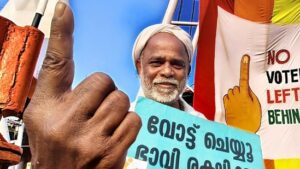
5. Every Vote Counts The historically close margins in places like Manjeswaram underscore the importance of voter turnout and grassroots campaigning.
Looking Ahead
As Kerala’s political saga continues to unfold, the outcomes in these key constituencies will undoubtedly offer significant insights into the evolving political preferences of the state’s electorate. Whether the LDF and UDF can maintain their traditional dominance, or if the BJP can further solidify its presence, remains a captivating question that only the ballot boxes can answer. These elections are not just about winning seats; they are about shaping the future trajectory of Kerala’s political identity.