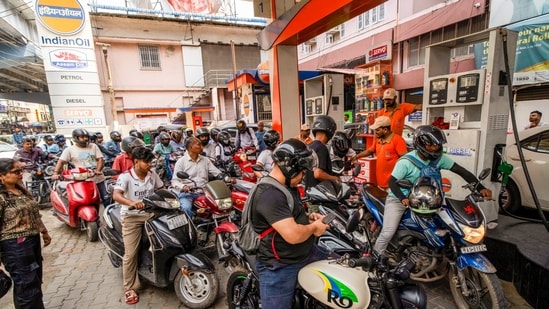
‘60 days of oil stocks, 800,000 tonnes LPG’: Govt releases stock details amid ‘emergency’ fears| India News
India’s Crucial Oil and LPG Stocks A Deep Dive into Our 60 Day Strategic Reserves
India, a nation with a rapidly growing economy and a vast population, constantly navigates the complex landscape of global energy markets. Ensuring a steady supply of essential fuels like crude oil and Liquefied Petroleum Gas (LPG) is not merely an economic necessity but a cornerstone of national stability and security. Recent statements from the Ministry of Petroleum and Natural Gas have shed light on the country’s strategic preparedness, offering a clear picture of its emergency fuel reserves. This transparency, critical for public understanding and market confidence, underscores India’s proactive approach to energy security.
For those unfamiliar with the intricate world of global energy, understanding “strategic reserves” is key. Imagine a country’s fuel supply as its daily income. If a sudden job loss or an unexpected expense occurs, having a savings account provides a cushion. In the same vein, strategic petroleum reserves are a nation’s “savings account” for crude oil. These are massive underground caverns or vast above-ground tanks filled with crude oil, kept specifically for times of emergency. Such emergencies could range from geopolitical tensions disrupting global supply chains to natural disasters impacting shipping routes or production facilities. Their purpose is simple yet profound: to prevent a sudden shortage from crippling the economy or causing widespread public distress.
The Ministry’s latest pronouncements confirm India’s substantial buffer against potential supply disruptions. The nation boasts a total crude oil stocking capacity of approximately 74 days. This figure represents the maximum amount of oil India *could* hold in its dedicated strategic reserves and commercial refinery tanks if they were completely full. More importantly, the current stock cover stands at around 60 days. This means that, at present, India holds enough crude oil to meet its domestic demand for two full months, even if all external supplies were to suddenly cease.
This 60-day crude oil cover is a critical figure, and it’s composed of two main components. A portion is held in the nation’s dedicated Strategic Petroleum Reserves (SPR) – specifically designed for emergencies, akin to a pure emergency fund. The larger chunk is held by commercial refineries, which typically maintain their own operational stocks to ensure continuous processing. The combined strength of these holdings provides a robust and layered defense against market volatility and unforeseen events. This integrated approach, blending state-controlled strategic reserves with commercially held stocks, offers a more flexible and resilient energy infrastructure. Omni 360 News continually monitors these vital statistics, understanding their profound impact on everyday life and national planning.
Beyond crude oil, LPG also holds immense significance, particularly for Indian households. LPG, or Liquefied Petroleum Gas, is the clean-burning fuel widely used for cooking across millions of homes, making it indispensable for daily life. The Ministry has confirmed India’s robust LPG stock of approximately 800,000 tonnes. This substantial reserve ensures stability in the domestic supply chain, safeguarding against any sudden shortages that could impact millions of families, particularly in rural and semi-urban areas where LPG is often the primary cooking fuel. Maintaining healthy LPG stocks is a direct measure to protect the welfare of citizens and prevent social disruptions that could arise from fuel scarcity.
The release of these detailed figures comes at a time when global energy markets remain particularly susceptible to external pressures. Geopolitical tensions, production cuts by major oil-producing nations, and logistical challenges continue to introduce elements of uncertainty. In such an environment, having transparent and reassuring data on national reserves becomes a powerful statement of preparedness. It signals to both domestic consumers and international partners that India is well-equipped to manage potential energy shocks, thereby fostering economic stability and investor confidence. This strategic foresight protects not just the larger industrial sectors but also the individual consumer from abrupt price hikes and unavailability.
Looking ahead, India’s energy strategy is not static. There is a continuous emphasis on enhancing energy security through a multi-pronged approach. This includes exploring diversification of import sources, investing in renewable energy technologies, and potentially expanding the strategic petroleum reserve capacity itself. The goal is to build an even more resilient energy ecosystem that can withstand future global challenges. These strategic reserves act as a vital bridge, allowing the nation time to adapt and respond effectively during periods of crisis without succumbing to immediate pressures.
Key Takeaways:
- India possesses a significant strategic crude oil buffer, currently standing at approximately 60 days of consumption.
- This buffer comprises both dedicated Strategic Petroleum Reserves and operational stocks held by commercial refineries.
- The nation also maintains a substantial LPG stock of 800,000 tonnes, crucial for domestic stability.
- These reserves are vital safeguards against global energy market volatility and supply disruptions.
- India’s transparent reporting and continuous efforts reinforce its commitment to national energy security and citizen welfare.