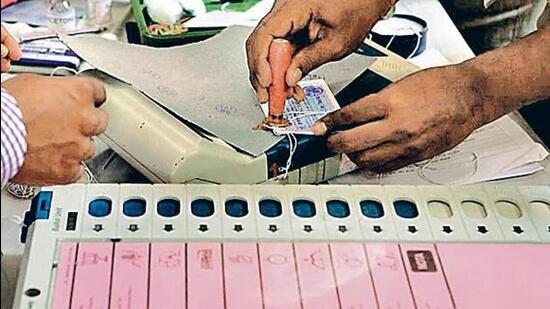
67 candidates withdraw nominations from upcoming Assam polls, 722 remain in fray| India News
Assam Polls Set Final Field with 722 Candidates After Withdrawals
As Assam gears up for its crucial Assembly elections, the final list of contenders has solidified, setting the stage for an intense democratic contest. With April 9 marked as the voting day, the electoral landscape now features 722 candidates vying for 126 seats. This conclusive count follows a series of strategic adjustments and withdrawals, significantly shaping the choices available to voters across the state.
The nomination withdrawal phase concluded recently, witnessing 67 candidates stepping back from the race. Such movements are a common feature in India’s vibrant electoral process, often reflecting backroom negotiations, party directives, or personal decisions. These withdrawals streamline the competition, sometimes consolidating support for stronger contenders or, conversely, leaving open new opportunities for others.
A Noteworthy Political Twist in the Candidate Lineup
Among the 67 individuals who withdrew their nominations, one particular instance has garnered considerable attention within political circles. This involved Ram Krishna Ghosh, a sitting Member of Legislative Assembly (MLA) from the Hojai constituency. Ghosh, who was elected on an All India United Democratic Front (AIUDF) ticket in the previous elections, had recently made headlines by switching his allegiance to the National People’s Party (NPP). However, in a surprising turn, he subsequently chose to withdraw his nomination from the current electoral battle.
This move underscores the fluid and often unpredictable nature of regional politics in Assam. A sitting MLA changing parties and then opting out of the contest raises questions about internal party dynamics, potential strategic realignments, or even a nuanced assessment of electoral viability on the ground. For the Hojai constituency, in particular, Ghosh’s withdrawal reshapes the local contest, forcing voters to reconsider their choices in light of the altered candidate pool. This scenario highlights how individual decisions can ripple through the political fabric of a state, influencing local campaigning and voter sentiment.
The Contestants and the Road Ahead for Assam Voters
With 722 candidates now officially in the fray for the 126 Assembly seats, the elections promise to be a captivating display of democratic participation. Each of these candidates represents a unique blend of political ideologies, local aspirations, and community interests. From seasoned politicians seeking re-election to fresh faces hoping to make their mark, the diversity of the candidate pool ensures that voters will have a wide array of choices.
For the common citizen, understanding these candidates and their platforms becomes paramount. Local news sources, often closer to the ground, play a vital role in dissecting these developments, offering nuanced perspectives on how these withdrawals and shifts impact specific constituencies. As Omni 360 News has observed through various reports from district-level journalists, the final candidate list marks the true commencement of intense campaigning, where parties and independents alike will redouble their efforts to connect with voters.
The electoral journey in Assam is not merely about numbers; it is about the voices of its people, their hopes, and their collective future. With the final list of candidates locked in, the focus now shifts entirely to the electorate, who will cast their ballots on April 9, determining the state’s next government.
Key Takeaways Omni 360 News Analysis
* Assam’s Assembly elections for 126 seats will see 722 candidates after 67 withdrawals.
* Voting is scheduled for April 9, marking a crucial democratic exercise.
* A notable withdrawal involved Ram Krishna Ghosh, a sitting AIUDF MLA who had recently joined the NPP, underscoring complex political maneuvers.
* These candidate adjustments highlight the dynamic nature of regional politics and local constituency battles.
* Voters across Assam now face a diverse field, emphasizing the importance of informed participation to shape the state’s future.