7 Indian pilgrims killed in Nepal's Gandaki after bus falls into 500-feet-deep ravine| India News
Manakamana Pilgrim Bus Plunge Road Safety Concerns Highlighted
A profound wave of sorrow has swept across Nepal following a devastating bus accident involving pilgrims returning from the revered Manakamana Temple. The incident, a stark and somber reminder of the inherent dangers lurking on the nation’s challenging mountainous routes, saw a passenger bus tragically veer off its course, plummeting into a treacherous gorge. This latest calamity has not only brought immediate grief to affected families but has also ignited pressing discussions about the critical state of road safety infrastructure and practices throughout the country.
The Incident Unfolds: A Sudden Catastrophe
The serene afternoon of March 22 was shattered by chaos when a bus, identified as Na 4 Kha 1243, carrying a full contingent of devout pilgrims, plunged into a ravine. These individuals had just completed their spiritual journey to the sacred Manakamana Temple, a site of profound worship and hope. The vehicle was navigating the intricate, winding roads near Ichakame, within Gandaki Rural Municipality-8 of Gorkha District, when, according to preliminary reports and eyewitness accounts, it experienced a sudden and catastrophic loss of control. The bus reportedly swerved violently, breached the roadside barrier, and tumbled approximately 100 meters down a steep, unforgiving gorge. The terrifying sound of the impact reverberated through the tranquil hills, quickly giving way to desperate cries for help and the harrowing scramble of those who survived the initial fall.
The Human Toll and Heroic Rescue Efforts
The immediate aftermath of the crash presented a scene of unimaginable horror. The mangled wreckage lay testament to the force of the impact, surrounded by profound human suffering. It was the remarkable courage and quick thinking of local residents that served as the first line of response. These brave individuals, without hesitation, rushed into the difficult terrain to offer immediate assistance to the injured. Their efforts were soon bolstered by the arrival of trained personnel from the Nepal Police, Armed Police Force, and the Nepal Army.
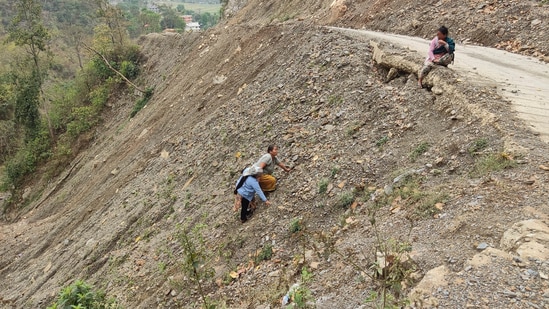
The rescue operation itself was an arduous and complex undertaking. The treacherous, steep topography of the gorge, coupled with the rapidly fading daylight, posed significant logistical hurdles. Rescuers worked tirelessly, often in precarious conditions, utilizing ropes and sheer determination to extract survivors from the debris and carefully recover the bodies of the deceased. Tragically, two precious lives were lost in this heart-wrenching accident, casting a pall over the entire community. Furthermore, more than two dozen individuals sustained injuries, ranging from superficial abrasions to severe, life-threatening trauma, necessitating urgent medical intervention. The injured were promptly transported to various medical facilities, including hospitals in Kurintar, Chitwan, and Kathmandu, where dedicated medical teams are currently providing critical care and support. The unwavering dedication of these emergency services and the invaluable assistance from local volunteers truly exemplified the resilient and compassionate spirit that emerges in times of profound crisis.
The Spiritual Significance of Manakamana and the Journey
The Manakamana Temple, majestically situated atop a hill in the Gorkha district, stands as a beacon of immense spiritual importance for Hindu devotees not just in Nepal, but globally. Pilgrims undertake this journey, often via a scenic cable car ride or by navigating the challenging road networks, to offer their heartfelt prayers to Goddess Manakamana, who is widely revered as the fulfiller of wishes. This sacred pilgrimage represents a deeply personal, often arduous, and hopeful journey for countless individuals. The tragic turn of events on the return trip has therefore inflicted a particularly deep wound on the families involved and the broader spiritual community. The bus carried individuals from diverse backgrounds and different districts, all united by their shared faith and the hopeful purpose of their pilgrimage, only to be shattered by this unforeseen calamity. This incident serves as a poignant and powerful illustration of how even everyday journeys, particularly those undertaken for profound spiritual reasons, can transform into unforeseen and devastating tragedies on Nepal’s notoriously challenging road network.
Investigating the Root Causes and Broader Systemic Challenges
In the wake of this grievous accident, authorities have immediately launched a comprehensive and rigorous investigation to ascertain the precise cause. While initial assessments and common patterns in such incidents often point towards a confluence of factors such as critical brake failure, driver fatigue, excessive speeding, or the inherent dangers of narrow, poorly maintained, and unpaved mountain roads, the definitive truth will only be unveiled after a meticulous and thorough forensic examination. This particular incident, regrettably, is far from an isolated occurrence. Nepal’s rugged hilly regions are tragically prone to frequent road mishaps, which are almost invariably attributed to a complex interplay of human error, critical mechanical failures in vehicles, and the formidable geographical and environmental conditions.
This recurring pattern necessitates an urgent and robust re-evaluation of current practices. The national discourse has, understandably, gained renewed urgency, focusing on the imperative for stricter vehicle fitness checks, comprehensive and advanced driver training programs, and critical upgrades to existing road infrastructure. At Omni 360 News, we are acutely aware of the public’s profound need for clarity, transparency, and accountability in the face of such grave incidents. We are committed to closely monitoring the ongoing investigation, ensuring that developments are reported accurately and responsibly.
Community Resilience and The Path Forward
The local community, still grappling with the profound shock and sorrow of the accident, has demonstrated an extraordinary outpouring of support for the victims and their grieving families. Condolences and expressions of sympathy have resonated from every corner of the nation, underscoring the collective grief and shared empathy. Beyond the immediate and crucial relief efforts, this tragedy unequivocally calls for a strategic, long-term approach to enhancing road safety across Nepal. This comprehensive strategy must encompass several critical pillars: the robust and unwavering enforcement of existing traffic laws, significant and sustained investment in modernizing and improving road infrastructure, and the implementation of widespread public awareness campaigns focused on promoting safe driving practices and passenger vigilance. Ensuring the paramount safety of pilgrims and all travelers who traverse these vital yet perilous routes must become an unwavering priority for both local and national governmental authorities. The collective hope, from this profound sorrow, is that invaluable lessons will be learned, and that these lessons will translate into tangible, concrete actions designed to prevent such harrowing occurrences from ever happening again. The memory of those lost and injured serves as a potent reminder of the work that lies ahead.
Key Takeaways:
- A bus carrying pilgrims returning from Manakamana Temple tragically veered off a mountain road and plunged into a gorge in Gorkha District.
- The devastating accident resulted in the loss of two lives and left over two dozen individuals injured, highlighting the severe human toll of road mishaps in challenging terrain.
- Heroic rescue efforts by local residents, supported by Nepal Police, Armed Police Force, and the Nepal Army, faced significant logistical challenges due to the steep and difficult topography.
- An official investigation is actively underway to pinpoint the precise causes of the crash, with preliminary considerations focusing on factors like mechanical failure, driver error, and the condition of the road.
- This incident critically underscores the urgent need for comprehensive improvements in road safety standards across Nepal, including enhanced vehicle maintenance checks, rigorous driver training, and crucial infrastructure upgrades.