90% of India's LPG imports travels through Hormuz Strait, but things in control: Govt| India News
India’s Energy Lifeline and Hormuz Security Ensuring Stable LPG Supply
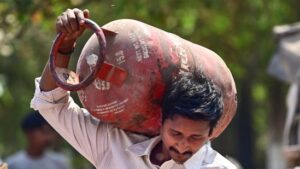
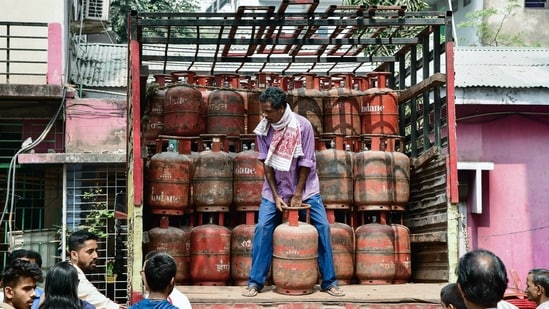
For millions across India, Liquefied Petroleum Gas, or LPG, is more than just a fuel; it represents a fundamental aspect of daily life, powering kitchens and homes from bustling cities to remote villages. It is a critical component of national well-being and a testament to the government’s commitment to energy access, particularly through schemes like the Ujjwala Yojana that have brought clean cooking fuel to underprivileged households. As a news platform focused on providing a comprehensive view, Omni 360 News examines the intricate web of India’s energy imports, specifically focusing on the vital role of the Strait of Hormuz and the government’s strategic assurances regarding supply stability.
The data points to a significant dependency: roughly 90% of India’s LPG imports navigate through the Strait of Hormuz. This narrow waterway, connecting the Persian Gulf to the open ocean, is undeniably one of the world’s most critical maritime choke points. Its strategic importance cannot be overstated, not just for India, but for global energy markets as a whole. Yet, despite this high concentration of vital shipments through a geopolitically sensitive region, the Indian government has consistently maintained that the situation remains under control, signaling robust measures to safeguard national interests.
Understanding LPG’s Crucial Role in India
To grasp the full implications of this dependency, one must first appreciate LPG’s place within India’s energy landscape. LPG is a clean-burning fuel, primarily used for cooking in households. Its widespread adoption has significantly reduced reliance on traditional biomass fuels, mitigating indoor air pollution and improving public health, especially for women and children. The government’s proactive efforts, particularly under the Pradhan Mantri Ujjwala Yojana, have expanded LPG penetration dramatically, transforming it from a luxury for some to an essential utility for many. This broad reach means any disruption to LPG supply would directly impact a vast segment of the population, underscoring the urgency of energy security. India largely sources its LPG from the Middle East, with major suppliers including Saudi Arabia, Qatar, and the UAE, all requiring transit through the Strait of Hormuz.
The Strait of Hormuz A Global Energy Bottleneck
Geographically, the Strait of Hormuz is a narrow passage, at its most constricted point merely 21 nautical miles wide. It sits between Oman and Iran, forming the sole sea passage from the Persian Gulf to the open ocean, specifically the Arabian Sea. This channel is indispensable for maritime trade, particularly for oil and gas shipments from the Middle East’s major producers. Billions of barrels of oil and vast quantities of natural gas, including LPG, traverse this strait daily. Its strategic location makes it a focal point of international geopolitics, with any instability in the region immediately raising global concerns about energy prices and supply chains. Past tensions, including incidents involving shipping and regional military exercises, have periodically highlighted the vulnerability of this vital waterway.
Navigating Geopolitical Currents and Potential Challenges
The region surrounding the Strait of Hormuz is no stranger to geopolitical complexities. Historical tensions, ongoing conflicts in neighboring areas, and the presence of various state and non-state actors contribute to an inherently volatile environment. While India maintains strong diplomatic ties with nations bordering the Strait, the possibility of unforeseen events, such as maritime incidents, heightened military activities, or disruptions stemming from broader geopolitical shifts, always looms. Such events, even if localized, can ripple through global energy markets, leading to price volatility and supply chain uncertainties. For a nation like India, heavily reliant on energy imports, ensuring the uninterrupted flow through this channel is paramount.
India’s Strategic Assurances and Proactive Measures
The government’s repeated assertion that “things are in control” is not merely a statement of optimism but is backed by a multi-pronged strategic approach designed to mitigate risks and ensure energy security. Omni 360 News delves into these crucial measures:
1. Diversification of Supply Sources: While the Middle East remains the primary source due to proximity and established infrastructure, India actively explores and cultivates relationships with other LPG-producing nations. This diversification strategy aims to reduce over-reliance on a single geographical region, offering alternative avenues for imports should any specific route become unviable. Although the logistics of sourcing from distant locations can be more complex and costly, it provides a vital safety net.
2. Strategic Petroleum Reserves: India has invested significantly in building strategic petroleum reserves (SPR) at various locations. While primarily focused on crude oil, these reserves are part of a broader energy security framework. The concept is to hold sufficient stock to cushion the country against short-term supply disruptions, providing a buffer period for the government to implement alternative sourcing or logistical solutions. This acts as an immediate shock absorber for the national economy and consumers.
3. Diplomatic Engagement and International Cooperation: India’s diplomatic machinery works tirelessly to foster stable relationships with all key stakeholders in the Gulf region. This includes direct engagement with the countries bordering the Strait of Hormuz to ensure safe passage for Indian-bound vessels. Furthermore, India participates in international forums and dialogues aimed at promoting maritime security and stability in critical shipping lanes. Constructive diplomatic efforts are crucial in de-escalating tensions and fostering an environment conducive to free trade.
4. Indian Navy’s Vigilance and Presence: The Indian Navy plays a crucial role in safeguarding India’s maritime interests, including the security of its energy lifelines. Through missions like ‘Operation Sankalp,’ which involves deploying naval ships in the Gulf region, the Navy maintains a watchful presence to protect Indian-flagged vessels and merchant shipping. This proactive deployment deters piracy, provides confidence to shipping companies, and ensures a visible security blanket for India’s trade routes.
5. Robust Supply Chain Management: Indian oil marketing companies (OMCs) employ sophisticated logistics and supply chain management systems. These systems are designed to monitor global energy markets, anticipate potential disruptions, and adjust procurement strategies accordingly. This includes optimizing shipping routes, managing tanker fleets efficiently, and ensuring adequate storage capacities at domestic terminals to handle incoming LPG consignments smoothly.
Key Takeaways
The reliance of India’s LPG supply on the Strait of Hormuz presents a critical energy security challenge. However, the government’s multi-faceted strategy—encompassing diversification of sources, strategic reserves, proactive diplomacy, naval vigilance, and robust supply chain management—underscores a controlled and prepared approach. These measures are designed to absorb potential shocks, maintain stable supplies, and protect Indian consumers from the vagaries of international geopolitical events and market fluctuations.
Implications for the Common Citizen
For the average Indian family, these strategic maneuvers translate directly into continued access to affordable cooking fuel. By ensuring a steady flow of LPG, the government aims to prevent price spikes or shortages that could impact household budgets and daily routines. The stability of LPG supply is therefore not just an economic or geopolitical concern, but a matter of fundamental household security and comfort.
In conclusion, while the statistics regarding India’s LPG imports through the Strait of Hormuz paint a picture of significant dependency, the detailed strategic framework established by the Indian government provides a reassuring counterbalance. Through active risk management and proactive engagement, Omni 360 News observes that India is working diligently to maintain its energy security and ensure that the nation’s homes continue to cook with confidence. The journey of LPG, from distant shores through a critical global artery to the Indian kitchen, is a complex ballet of international relations, economics, and strategic foresight.