
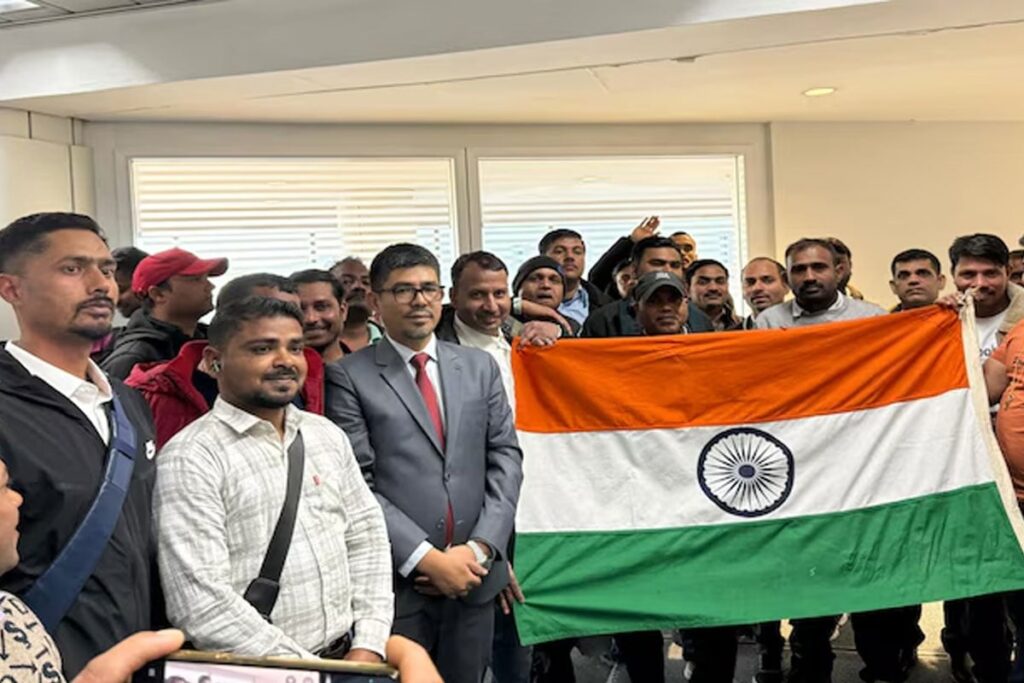
Iran-Israel War: 177 Indians Repatriate From Lebanon
Indian Citizens Return Home From West Asia Amidst Regional Tensions
The strategic region of West Asia has once again found itself in the grip of escalating tensions, a situation that often leaves many foreign nationals, including a significant Indian diaspora, in precarious circumstances. As the geopolitical landscape remains volatile, the safety and swift return of its citizens become a top priority for any nation. For India, this commitment to its people abroad has been demonstrated through prompt action to bring home those stranded amidst the ongoing unrest. Omni 360 News has been closely following these developments, reporting on the meticulous efforts to ensure safe passage for Indian nationals.
Reports emerging from the region highlight the Indian government’s active engagement in repatriating its citizens. The focus has primarily been on countries like Lebanon and Qatar, both hubs for Indian expatriates, where the ripple effects of broader regional conflicts are keenly felt. The Ministry of External Affairs, working through its embassies, has been coordinating complex logistical operations to bring hundreds of Indians back to their homeland.
Lebanon Repatriation Efforts Underway
From the bustling capital city of Beirut, Lebanon, came news of the first significant batch of Indian nationals commencing their journey home. A total of 177 individuals, whose lives and livelihoods were disrupted by the volatile conditions, departed on a specially arranged charter flight bound for New Delhi. This vital operation was a testament to the persistent work of the Indian Embassy in Beirut.
The Indian Ambassador to Lebanon, Noor Rahman Sheikh, was personally present at the Beirut-Rafic Hariri International Airport to bid farewell to the returning citizens. Such gestures underscore the personal commitment of diplomatic staff in times of crisis, providing a sense of reassurance to those who have been living under challenging circumstances. The embassy’s official social media channels, including ‘X’ (formerly Twitter), published details of this repatriation. A post noted, “The first group of 177 Indian citizens is being brought back to Delhi on a charter flight. Ambassador Noor Rahman Sheikh saw them off at Beirut International Airport. The Indian Embassy in Beirut is committed to helping its citizens stranded in Lebanon.” This public communication not only informs but also serves to reassure families back home in India.
Many Indian nationals reside in Lebanon, often employed in various sectors including construction, hospitality, healthcare, and domestic work. While some may have been working directly for companies that arranged their return, the embassy’s overarching support ensures no one is left behind. The decision to return is often fraught with difficulty, leaving behind jobs, friends, and the familiar rhythm of life, but the prospect of safety and family often outweighs these concerns in times of regional instability.
Qatar Facilitates Return for Hundreds More
Simultaneously, similar relief operations have been unfolding in Qatar, another Gulf nation that hosts a substantial Indian workforce. Reports from the Indian Embassy in Qatar confirmed that over 500 Indian citizens embarked on their return journey on March 11. These individuals, hailing from various states across India, boarded Qatar Airways flights destined for major Indian cities, including New Delhi and Mumbai.
The swift action did not stop there. The embassy further communicated plans for two more Qatar Airways flights scheduled for March 12, each carrying additional Indian nationals back to Delhi and Mumbai respectively. This staggered approach suggests a well-coordinated plan to manage the volume of repatriating citizens and ensure smoother transit. The sheer numbers involved highlight the extensive presence of Indian nationals across West Asia and the scale of humanitarian logistics required during crises.
To assist its citizens in emergency situations, the Indian Embassy in Qatar has also activated three dedicated helpline numbers. These helplines serve as a critical lifeline, offering information, guidance, and direct assistance to those in need, whether they are seeking repatriation, require consular services, or need emergency support. This proactive measure is essential in ensuring that distressed individuals can quickly connect with officials who can facilitate their safe return or provide necessary aid.
Understanding the Context
The situation in West Asia is complex, marked by a confluence of political, economic, and social factors that contribute to instability. While the precise nature of the “war” or “unrest” can vary from one country to another within the region, it often translates into increased security risks, disruptions to daily life, and economic uncertainties for expatriate communities. For Indian nationals, who primarily migrate for employment opportunities, such instability can jeopardize their livelihoods and personal safety, making a return home a necessity.
The Indian government’s response reflects a long-standing commitment to safeguarding its citizens abroad. This commitment is often tested during regional conflicts, natural disasters, or global pandemics. Operations like these require intricate coordination between diplomatic missions, airline carriers, and various government departments both in India and the host countries. The aim is always to ensure that every citizen who wishes to return can do so safely and with dignity.
The process of repatriation, while a relief, is not without its challenges. Individuals often leave behind their belongings, their jobs, and the future they had envisioned in these countries. Upon returning to India, they face the task of reintegrating into society and finding new opportunities, a journey that can be daunting. However, the assurance of government support during a crisis provides a crucial safety net.
Looking Ahead
As the situation in West Asia remains fluid, the Indian government, through its network of embassies and consulates, is expected to maintain a close watch on developments. The prompt and organized repatriation efforts from Lebanon and Qatar serve as a clear indicator of India’s readiness to respond to such exigencies. For the hundreds of Indians who have now returned or are in the process of returning, this journey home marks the end of a period of uncertainty and the beginning of a new chapter in their lives, underscoring the enduring bond between India and its diaspora.
***
Key Takeaways:
- The Indian government has initiated significant repatriation efforts for its citizens stranded amidst regional tensions in West Asia.
- A first batch of 177 Indian nationals departed from Lebanon on a charter flight to New Delhi, with the Indian Ambassador personally overseeing the departure.
- Over 500 Indian citizens have already returned from Qatar, with additional flights planned for subsequent days to various Indian cities.
- Indian embassies in both Lebanon and Qatar have been actively involved in coordinating these repatriation logistics and providing assistance through helplines.
- These efforts highlight India’s strong commitment to the safety and well-being of its expatriate community during times of crisis.





