
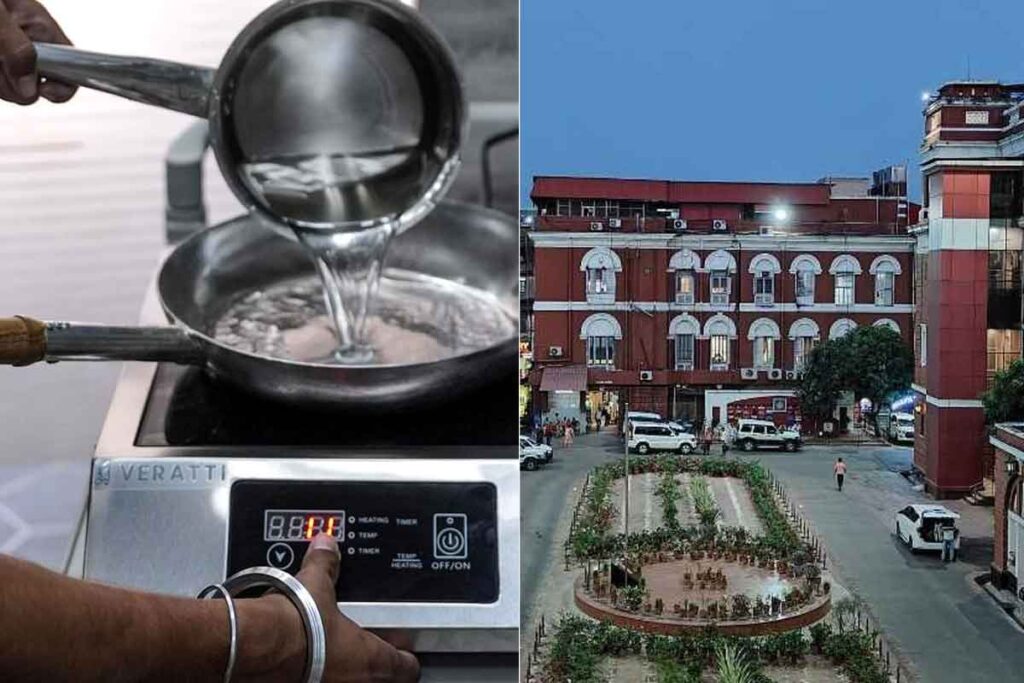
kolkata police is working to prevent black marketing of gas cylinders
Gas Shortage Grips West Bengal Daily Life and Business Kolkata Police Steps Up Vigilance
The distant rumble of global conflicts often feels removed from the everyday rhythm of life in West Bengal. Yet, as Omni 360 News observes, the consequences are now landing squarely on kitchen tables and bustling city streets. A significant fuel gas shortage has begun to cast a long shadow across the state, impacting everything from family meals to small businesses and public transport. The scarcity has also regrettably fueled a rise in black marketing, prompting swift and firm action from authorities.
The Silent Struggle in Bengal’s Homes
Across the towns and villages of West Bengal, the familiar sight of a cooking gas cylinder has become a source of growing anxiety. For countless households, the scarcity of Liquefied Petroleum Gas, or LPG, means more than just inconvenience. It translates into real hardship, pushing families to the brink as the very act of preparing a meal becomes an arduous task. The once simple routine of igniting a burner is now a daily challenge. Mothers and homemakers, already juggling numerous responsibilities, are finding themselves scrambling for alternatives, often resorting to less efficient and more time-consuming methods like traditional chulhas or even making do with fewer cooked meals. This invisible crisis weighs heavily on the daily existence of ordinary people, disrupting the basic comforts many have long taken for granted.
Small eateries and street food vendors, vital to Bengal’s vibrant culinary scene, are also feeling the pinch intensely. Many local restaurants and hotels, mainstays of community life and local employment, are reportedly on the verge of shutting their doors or have already cut back operations significantly. The aroma of freshly prepared food, a hallmark of these establishments, is fading as the cost and availability of commercial gas cylinders become unsustainable. These businesses operate on thin margins, and the sudden disruption to their primary fuel source threatens their very survival, endangering livelihoods and altering the social fabric of neighborhoods.
Commuters Face Growing Burden
The impact of the fuel crisis extends beyond the kitchen and dining room, reaching the city’s arteries—its roads. Public transport, particularly auto-rickshaws, a lifeline for millions of daily commuters in cities like Kolkata and its surrounding areas, is experiencing direct consequences. Drivers, grappling with the higher cost or limited availability of fuel, are often left with no choice but to pass these increased expenses onto passengers. This means commuters are now forced to pay higher fares, adding another financial strain to already tight household budgets. For many, autos are not a luxury but a necessity for reaching work, school, or medical appointments. The rise in fares, therefore, disproportionately affects those who rely most on affordable public transport. The ripple effect is clear: a global problem is directly impacting the local economy and the daily commutes of working-class citizens.
Combating the Shadow of Black Marketing
Such widespread scarcity inevitably creates fertile ground for exploitation. Reports suggest that a troubling trend of gas black marketing has begun to emerge across various regions, preying on the desperation of those in need. Unscrupulous individuals and groups are hoarding cylinders, diverting supplies, and reselling gas at exorbitant prices, deepening the public’s distress. This illegal activity not only exacerbates the shortage but also undermines efforts to ensure equitable distribution.
Recognizing the gravity of the situation, West Bengal Chief Minister Mamata Banerjee has taken a firm stance. Earlier this week, she issued a directive for strict vigilance and immediate action against those involved in such illicit activities. This clear message from the state’s highest office underscores the administration’s commitment to protecting its citizens from exploitation during this challenging time.
LalBazar’s Firm Hand Against Gas Hoarding
Following the Chief Minister’s strong directive, LalBazar, the headquarters of the Kolkata Police, has swiftly mobilized its forces to tackle the gas black marketing issue head-on. A comprehensive strategy is now in motion, with specific instructions disseminated to every police station across the city. Divisional Deputy Commissioners (DCs) have been alerted and, in turn, have instructed the police stations under their jurisdiction to maintain rigorous oversight.
The Enforcement Branch of the Kolkata Police has also joined the effort, deploying its officers to monitor the situation closely. Their primary focus is on the city’s gas cylinder godowns—the major storage facilities where LPG cylinders are kept before distribution. Police officials are meticulously cross-referencing stock records, ensuring that the number of cylinders stored matches official documentation. A key objective is to prevent any unauthorized diversion of gas cylinders beyond legitimate customer orders. Officers are particularly watchful for instances where cylinders might be illegally routed for commercial use at inflated prices or smuggled out for black market sale.
Moreover, the police are actively investigating whether domestic cooking gas, which is subsidized and meant for household use, is being illicitly used for commercial purposes. This practice not only deprives genuine households but also contributes to the overall shortage. Strict warnings have been issued against illegal hoarding of gas cylinders, with authorities making it clear that severe action will be taken against anyone found flouting the regulations.
Police intelligence has previously uncovered sophisticated networks involved in transferring gas from larger, subsidized cooking cylinders into smaller ones, often for illegal sale or use in transport. LalBazar has intensified its crackdown on such clandestine refilling operations, ensuring that these exploitative practices are brought to a halt.
In a proactive move to conserve existing supplies, police barracks themselves are being encouraged to adopt alternative fuel sources. Recommendations have been made to utilize induction cooktops and microwave ovens, wherever feasible, to reduce reliance on LPG cylinders and set an example of responsible consumption.
Omni 360 News understands that these measures are critical to restoring normalcy and ensuring fair access to essential fuel. The vigilance and coordinated efforts by the police aim to stabilize the supply chain, deter black marketers, and alleviate the burden on the ordinary citizens of West Bengal. As the global situation remains fluid, local resilience and effective governance become even more crucial in navigating these turbulent times.
Key Takeaways
- The global conflict has triggered a severe fuel gas shortage in West Bengal, impacting daily life.
- Households are struggling with LPG availability for cooking, and many local hotels and restaurants face closure.
- Road transport, particularly auto-rickshaws, is affected, leading to increased fares for commuters.
- Gas black marketing has emerged as a serious concern, exploiting the scarcity for profit.
- Chief Minister Mamata Banerjee has ordered strict action against black marketers.
- Kolkata Police, led by LalBazar, has launched an extensive crackdown, monitoring gas godowns and illegal refilling.
- Authorities are preventing diversion of domestic gas for commercial use and ensuring fair distribution.
- Police barracks are adopting alternative fuels like induction cooktops to conserve gas.





