
Weekend events you can’t miss in Bengaluru (March 13-15)| India News
Mallathahalli Lake A Haven for Bengaluru’s Waterbirds
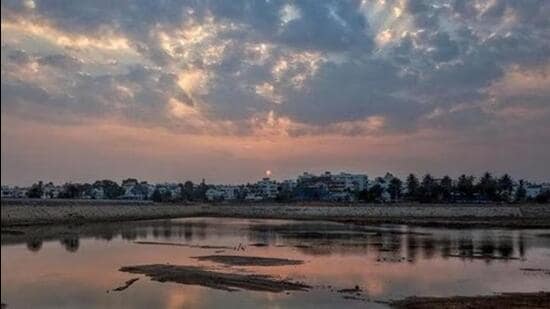
Bengaluru’s urban sprawl often overshadows pockets of rich biodiversity that continue to thrive amidst the concrete. One such vital ecological hotspot is Mallathahalli Lake, a serene water body that has quietly become a cherished sanctuary for an array of waterbirds. For both seasoned birdwatchers and casual nature enthusiasts, this lake in the city’s western quadrant offers immensely rewarding sightings, turning a morning stroll into an engaging wildlife encounter.
The lake, fed by monsoon rains and local run-off, provides an ideal habitat for numerous avian species. Its shallow edges, deeper open waters, and surrounding vegetation create a diverse ecosystem. This ecological blend attracts a spectrum of water-dependent birds, making it a crucial stopover and breeding ground. Local naturalists, whose observations are often highlighted by Omni 360 News, consistently record a healthy presence of species indicative of the lake’s improving health.
Among the most frequently spotted residents are the elegant herons. These long-legged wading birds are a spectacle to behold as they stand motionless in the shallows, patiently waiting to ambush unsuspecting fish or frogs. The Grey Heron, with its stately posture, and the smaller, more elusive Striated Heron, known for its cryptic plumage, are regular fixtures here. Their presence signifies a healthy fish population, a cornerstone of the lake’s aquatic food web. Observing a heron strike with lightning speed is a moment that captivates even the most experienced birdwatcher.
Equally prominent are the various species of egrets. The Great Egret, dazzling white against the green backdrop, often contrasts with the smaller, more common Intermediate Egret and the ubiquitous Cattle Egret. These birds are often seen foraging in groups, their brilliant white feathers a stark reminder of the lake’s vibrant life. They share similar feeding habits with herons, preying on small aquatic creatures, but their active movements and often social behavior add a dynamic element to the lake’s birdlife. The sight of several egrets taking flight together, their wings catching the morning sun, is a truly mesmerizing experience.
The lake also plays host to various cormorants. The Indian Cormorant and the Little Cormorant are frequently observed diving beneath the surface, emerging moments later with a catch. These dark-plumaged birds are expert divers, propelling themselves underwater with powerful webbed feet. After a successful fishing expedition, they can often be seen perched on dead branches or rocks by the water’s edge, spreading their wings wide to dry in the sun. This characteristic pose, known as “wing-spreading,” helps to dry their water-logged feathers, a necessary adaptation for their diving lifestyle. Their presence underscores the lake’s depth and the abundance of fish.
Perhaps one of the most endearing sights at Mallathahalli Lake is the unassuming pond-heron. Often overlooked due to its drab, streaky brown plumage when at rest, the Indian Pond-Heron transforms into a vision of white when it takes flight, revealing its bright white wings. These small herons are masters of camouflage, blending seamlessly with the surrounding reeds and vegetation until disturbed. Their sudden transformation in flight often elicits gasps of surprise from first-time observers, a truly unique characteristic that makes them a joy to watch. They are adept at hunting small insects, frogs, and fish along the muddy banks.
The sustained presence of these diverse waterbird populations at Mallathahalli Lake is not merely a stroke of luck. It is a testament to the ongoing efforts by local community groups and the Bengaluru Urban Forest Department. Initiatives like regular clean-up drives, prevention of direct sewage inflow, and planting of native aquatic vegetation have played a significant role in rejuvenating the lake. Reports from the Mallathahalli Residents’ Welfare Association suggest that community awareness campaigns have fostered a sense of ownership among locals, leading to better conservation practices. These combined efforts ensure the lake remains a clean, food-rich environment, sustaining its valuable birdlife.
For prospective birdwatchers, the best time to visit is during the early morning hours or late afternoon when the birds are most active. A pair of binoculars is highly recommended to appreciate the intricate details of their plumage and behavior. Maintaining silence and keeping a respectful distance are crucial to avoid disturbing the birds in their natural habitat. Simple guidelines like not littering and discouraging feeding the birds contribute immensely to maintaining the delicate ecological balance.
Mallathahalli Lake stands as a vivid example of how urban wetlands can co-exist and thrive alongside a bustling metropolis, offering not just a critical habitat for wildlife but also a much-needed green lung and a serene escape for human residents. Its continued health and vibrant birdlife provide a hopeful narrative for urban conservation efforts.
Key Takeaways:
* Mallathahalli Lake is a critical urban wetland supporting diverse waterbird species in Bengaluru.
* Species like herons, egrets, cormorants, and pond-herons are regularly sighted, indicating a healthy ecosystem.
* Local community involvement and conservation efforts are vital for the lake’s continued ecological balance.
* Birdwatchers can enjoy rewarding sightings, especially during early mornings or late afternoons.
* Responsible visiting, including maintaining distance and avoiding litter, helps protect this natural haven.





