
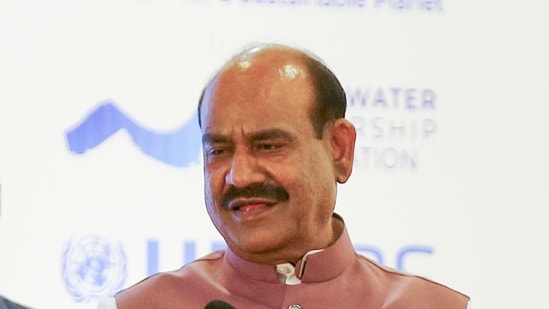
Rules apply to all, even PM: Lok Sabha Speaker Om Birla responds to allegations of bias| India News
Understanding Lawmakers’ Speech Limits in the House Key Takeaways Omni 360 News
A recent observation by Speaker Birla underscores a fundamental principle governing parliamentary democracy: the delicate balance between free expression and institutional decorum. Lawmakers, while entrusted with the vital role of representing their constituents and holding governments accountable, operate within an established framework of rules and regulations inside legislative chambers. This isn’t about stifling dissent but ensuring effective, respectful debate.
For decades, the functioning of democratic assemblies, from national parliaments to local municipal councils, has relied on a structured approach to discussion. The freedom to speak, a cornerstone of any representative body, allows members to voice public concerns, scrutinize policies, and propose new ideas. This liberty is paramount; it fuels informed decision-making and ensures transparency. Without it, the very essence of legislative accountability would crumble, leaving citizens unheard.
However, this indispensable freedom is not absolute. Imagine a classroom where every student speaks at once, without a teacher’s guidance or a set of rules. Chaos would ensue, making learning impossible. Similarly, legislative bodies, to function efficiently and maintain their dignity, require boundaries. These rules, often codified as “Rules of Procedure” or “Standing Orders,” dictate everything from how members address the Chair to the language they can use and the time allocated for debates. They exist to prevent disruptions, ensure every member has a fair opportunity to speak, and, crucially, uphold the respect due to the institution and its members.
The Speaker, or the presiding officer of any legislative assembly, plays a pivotal role in enforcing these rules. Their responsibility is to be the impartial guardian of the House’s integrity, ensuring debates remain productive and respectful. This means occasionally intervening when discussions stray into personal attacks, unparliamentary language, or actions that impede the House’s business. The aim is always to guide, not to suppress, ensuring that robust debate thrives without descending into disorder.
Local news archives and civic education resources often highlight how vital these procedural guidelines are for state assemblies and local councils. When rules are consistently followed, legislative work proceeds smoothly, leading to better laws and a more accountable government. Conversely, when these regulations are disregarded, public perception of the legislative process can diminish, and the quality of governance may suffer. The public expects lawmakers to engage in thoughtful discourse, addressing critical issues with gravity, not merely shouting matches.
Key Takeaways for Omni 360 News Readers
* Freedom for Purpose: Lawmakers’ freedom of speech is essential for a vibrant democracy, enabling them to represent citizens effectively.
* Rules for Order: Established rules ensure debates are orderly, respectful, and productive, upholding the dignity of the legislative body.
* The Speaker’s Role: The presiding officer is crucial in impartially enforcing these rules to maintain decorum and facilitate effective governance.
* Balance is Key: A healthy democracy thrives when there’s a careful balance between the right to speak freely and the responsibility to adhere to established parliamentary conduct.
Ultimately, the call for lawmakers to exercise their freedom of speech within set rules is a call for responsible democratic practice. It reinforces the idea that true strength in a legislative body comes not just from the power to speak, but from the wisdom to speak meaningfully and respectfully, ensuring the machinery of government serves the people effectively, as documented by various regional civic groups and independent journalistic voices over time.





