
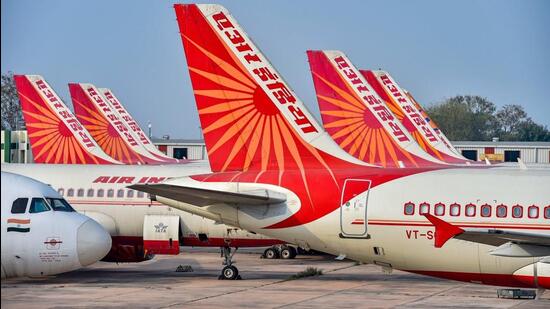
Air India asks DGCA to relax pilot duty norms amid West Asia airspace closure| India News
Air India Seeks Pilot Duty Rule Flexibility Amid Longer North America Flights Key Takeaways
The skies over West Asia have become a challenging labyrinth for airlines, forcing carriers like Air India to rethink established operational norms. A recent request by Air India to the Directorate General of Civil Aviation (DGCA) for a temporary relaxation of pilot duty regulations highlights the ripple effect of geopolitical tensions on global aviation. This pivotal move by the national carrier aims to navigate the complexities of extended flight durations and unforeseen fuel stops, which have become the new reality for journeys connecting India to North America.
The New Airspace Reality
For months, airlines flying between Asia and the West have grappled with the closure or significant restriction of airspace over parts of West Asia. Escalating geopolitical tensions, particularly stemming from the conflict in the Red Sea region and the broader Israel-Hamas conflict, have rendered traditional flight paths unsafe or impractical. Specific areas, including Yemeni airspace and portions of the Red Sea, have been declared no-fly zones for many commercial carriers, compelling airlines to seek alternative routes.
These closures have a direct and substantial impact. What once were relatively direct paths across the Middle East and Europe are now serpentine detours. Flights from Indian cities like Delhi or Mumbai heading to destinations such as New York, Washington D.C., or Toronto must now chart courses that swing further north, often over European airspace, adding significant mileage and hours to the journey. A flight that previously took 15-16 hours might now stretch to 17-18 hours, or even longer depending on specific conditions.
Impact on Air India’s North America Routes
For Air India, which operates numerous direct flights to North America, these reroutings translate into a cascade of operational hurdles. The most immediate consequence is increased flight time. Longer airborne hours mean greater fuel consumption, necessitating more fuel uplift. This additional weight, in turn, can sometimes limit passenger or cargo capacity. Crucially, it also pushes the boundaries of standard operational protocols, particularly concerning crew management.
One significant challenge stemming from these extended routes is the need for “technical stops.” These are unscheduled landings at intermediate airports solely for refueling, and sometimes for crew changes, because the aircraft cannot complete the entire journey with a single fuel load and within a single crew’s duty limits. These stops add further time, inconvenience passengers, and introduce additional logistical complexities and costs for the airline.
Understanding Pilot Duty Norms The DGCA’s Role
At the heart of Air India’s plea are the Flight Duty Time Limitations (FDTL) regulations set by the DGCA. To understand this, imagine rules for a school bus driver. Just like a bus driver can only drive for a certain number of hours each day or week to ensure they are alert and safe, pilots also have strict limits on how long they can be on duty and how much rest they must get. These limits are not arbitrary; they are based on scientific studies of fatigue and are meticulously designed to ensure the highest levels of safety in aviation.
The DGCA, India’s aviation watchdog, mandates these FDTL rules. They specify maximum flight duty periods, maximum flying hours over a day, week, or month, and minimum rest periods between duties. For long-haul flights, airlines typically deploy augmented crews, meaning more than the standard two pilots, to ensure continuous coverage and allow for in-flight rest breaks. However, even with augmented crews, significantly longer flight times, compounded by unforeseen technical stops and potential delays, can easily push pilots beyond their prescribed duty limits.
Air India’s Request for Flexibility
Air India’s request to the DGCA is not a plea to ignore safety, but rather to allow for temporary, carefully considered flexibility. The airline is likely seeking permission for slight extensions to duty periods or adjustments to rest requirements under specific, unforeseen circumstances directly caused by the airspace closures. This would provide the operational headroom needed to manage the current longer routes and technical stops without having to cancel flights or face crew shortages.
The challenge for Air India is immense. Without some flexibility, they might face situations where flights cannot depart on schedule because the available crew would exceed their FDTL, or they would be forced to carry additional, unrostered pilots on board – an economically unviable solution. The airline aims to maintain its North America flight schedule and minimize disruptions for passengers, all while upholding safety.
The DGCA’s Deliberation
The DGCA now faces a critical decision. Its paramount responsibility is aviation safety, and FDTL are a cornerstone of that commitment. Any relaxation of these norms, even temporary, must be thoroughly scrutinized to ensure it does not compromise the well-being of pilots or the safety of flights. The regulator will likely consider the specific nature of Air India’s proposed adjustments, the duration for which they are sought, and the mitigations the airline plans to implement to manage crew fatigue. These could include additional crew members on specific flights or enhanced rest facilities.
The situation highlights a delicate balance: supporting an airline’s operational continuity in extraordinary circumstances versus maintaining non-negotiable safety standards. The DGCA’s decision will reflect a careful assessment of risk, operational necessity, and the long-term implications for crew welfare.
Key Takeaways for Air Travelers and the Industry
The situation Air India faces underscores several critical points. Firstly, geopolitical events far removed from an airport gate can have direct, tangible impacts on travel plans. Secondly, the strict regulations governing aviation, while sometimes appearing inconvenient, are fundamental to passenger safety. Lastly, the airline industry, through bodies like the DGCA, continuously adapts to global challenges while prioritizing core safety principles.
This developing story, as reported by Omni 360 News, is a vivid reminder of the interconnectedness of global events and the aviation sector, where operational resilience often hinges on the judicious application of regulatory frameworks. Passengers should be prepared for potential adjustments to travel times and schedules as airlines navigate this complex aerial landscape.





