
Surging oil prices amid US-Iran war could impact India's vulnerable economy: Report| India News
India’s Economic Outlook $100 Oil Prices Spell Slower Growth and Rising Inflation Key Takeaways
The global energy landscape is a dynamic force, and for a major oil-importing nation like India, its tremors are felt deeply. As the world navigates geopolitical complexities and supply-demand imbalances, the prospect of crude oil prices averaging around $100 a barrel for an extended period – say, for nearly a year – presents a significant economic challenge. This isn’t just about the price at the petrol pump; it’s a multifaceted issue that could reshape India’s economic trajectory, leading to slower growth and a palpable surge in inflation. Omni 360 News examines the intricate web of these potential impacts.
The Direct Hit to Household Budgets and Businesses
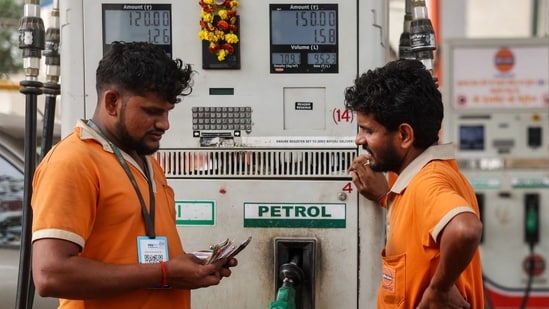
Imagine the fuel tank of your scooter or the diesel in a farmer’s tractor. When crude oil prices climb and stay elevated, the immediate effect is a higher cost for petrol and diesel. For the average Indian household, this translates directly into increased commuting expenses. But the ripple effect extends far beyond personal vehicles.
Consider the journey of everyday goods. From the vegetables reaching a market in Bengaluru to the manufactured goods being transported across Maharashtra, every item relies on logistics powered by diesel. Local news reports from various states frequently highlight how transporters, grappling with surging fuel costs, are compelled to raise freight charges. This isn’t a choice but a necessity to cover their operational expenses. A small business owner in a bustling urban market or a farmer in the rural heartland understands this burden intimately. Higher freight means higher input costs for manufacturers and retailers, ultimately passed on to the consumer.
An Unrelenting Inflationary Spiral
The most immediate and concerning consequence of sustained $100 oil prices is the acceleration of inflation. This isn’t just “headline” inflation; it’s the kind that erodes the purchasing power of every rupee in your pocket. Economists refer to this as a “second-round effect” of inflation.
When fuel prices go up, everything else tends to follow. The cost of food, for instance, is highly sensitive to transport expenses. Fresh produce, milk, and grains become more expensive as the cost of getting them from farms to your kitchen rises. Similarly, manufacturing industries, which rely on energy for production and transport for distribution, face higher operational costs. These increased costs are then reflected in the prices of goods like clothing, electronics, and household essentials.
For a 12th standard student, think of it this way: if your bus fare goes up, your daily commute costs more. If the shop owner pays more to bring in groceries, they have to charge you more for those groceries to stay in business. When this happens across the board, your pocket money doesn’t buy as much as it used to. This broad increase in prices diminishes the real value of incomes, making it harder for families to maintain their living standards and save for the future.
Stifled Economic Growth and Fiscal Strain
Beyond inflation, a sustained period of high oil prices poses a serious threat to India’s economic growth momentum. India imports over 80% of its crude oil requirements. A higher global oil price directly translates into a significantly larger import bill. This outflow of foreign currency to pay for oil drains the nation’s foreign exchange reserves and widens the Current Account Deficit (CAD). A widening CAD can put downward pressure on the Indian Rupee, making imports even more expensive and exacerbating inflationary pressures.
Businesses, facing higher input costs for fuel and raw materials, see their profit margins shrink. This discourages investment in new projects and expansions, which are crucial for job creation and economic growth. Consumers, dealing with higher inflation, have less disposable income to spend on non-essential goods and services. This reduction in demand can slow down economic activity across sectors.
The government also feels the pinch. While higher fuel prices might initially lead to increased revenue from excise duties, the broader economic slowdown and the potential need for subsidies to cushion the blow for consumers can strain government finances. This leaves less fiscal space for critical infrastructure projects or social welfare programs, which are vital engines for long-term growth.
The Reserve Bank of India (RBI), in its mandate to control inflation, might be compelled to raise interest rates. While necessary to cool down price rises, higher interest rates make borrowing more expensive for both businesses and individuals. This can further dampen investment and consumer spending, adding another layer of constraint on economic expansion.
Voices from the Ground Up
Across the country, the impact of rising fuel costs is a frequent topic of discussion. Small and medium enterprises (MSMEs), the backbone of India’s employment, often share concerns about navigating razor-thin margins in the face of escalating operational costs. Traders associations in cities like Chennai and Kolkata frequently highlight how even minor fluctuations in fuel prices can disrupt supply chains and inflate retail prices. In agricultural belts of Punjab and Uttar Pradesh, farmers routinely voice anxieties over the rising cost of diesel for irrigation pumps and transportation of their produce to mandis, directly impacting their livelihoods and potentially leading to higher food prices for consumers. These localized observations underscore the pervasive nature of the challenge.
Key Takeaways
– Sustained $100 barrel oil prices would directly elevate petrol and diesel costs.
– This leads to a pervasive inflationary spiral, making everyday goods pricier.
– Household budgets would tighten, eroding purchasing power and consumer demand.
– India’s import bill would surge, widening the Current Account Deficit and pressuring the Rupee.
– Businesses would face higher input costs, potentially slowing investment and job creation.
– The Reserve Bank of India might need to raise interest rates to control inflation, further dampening growth.
– Government finances could be strained, limiting funds for development initiatives.
The scenario of prolonged high oil prices presents a multifaceted challenge for India. It demands careful economic management, proactive policy responses, and a resilient approach to protect livelihoods and sustain the nation’s growth trajectory amidst global energy uncertainties. The stakes are high, and the economic landscape for the coming year could largely be shaped by the crude currents of the global oil market.





