
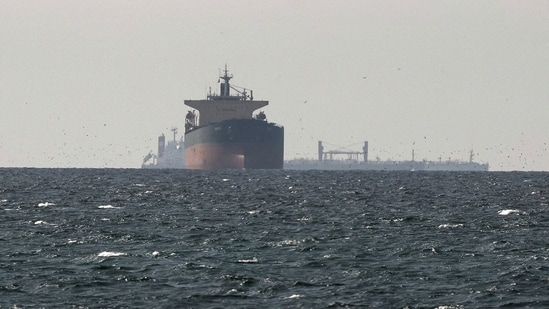
India raises shipping safety with Iran as bombings in Strait of Hormuz grow| India News
India Confronts Growing Shipping Dangers in Vital Strait of Hormuz
The Strait of Hormuz, a narrow waterway connecting the Persian Gulf to the open ocean, has long been a chokepoint of global energy trade. In recent times, however, this critical maritime corridor has witnessed a disturbing escalation in security incidents, including ship attacks and seizures. This volatile environment has prompted India, a nation heavily reliant on the Strait for its energy needs and trade routes, to formally engage with Iran to address profound concerns about shipping safety.
The Strait of Hormuz is more than just a passage; it is the lifeblood of global commerce, particularly for oil and gas shipments. Approximately one-fifth of the world’s total petroleum consumption, including almost all crude oil exports from Saudi Arabia, Iran, the UAE, Kuwait, and Iraq, passes through this strategic stretch of water. For a rapidly developing economy like India, ensuring uninterrupted and safe transit through the Strait is not merely an economic concern but a fundamental aspect of its national energy security and broader economic stability. Local businesses across India, from manufacturing to logistics, feel the ripple effects of any disruption, facing potential delays, increased insurance costs, and ultimately, higher prices for consumers.
Over the past months, reports from various maritime security agencies and independent shipping trackers have documented a troubling pattern of incidents. These have ranged from mysterious explosions near commercial vessels to outright seizures of tankers, often attributed to regional actors amidst heightened geopolitical tensions. While specific perpetrators and motives vary with each event, the cumulative effect is a palpable sense of insecurity for mariners and shipping companies navigating these waters. Small-scale fishing communities and local port workers, whose livelihoods are intrinsically linked to the Strait’s activity, also live with the constant uncertainty.
India’s proactive diplomatic outreach to Iran underscores the severity with which New Delhi views the escalating risks. Discussions between Indian and Iranian officials have reportedly centered on the need for increased vigilance, improved coordination, and effective mechanisms to de-escalate tensions and prevent future incidents. India has consistently advocated for a stable and secure maritime environment, particularly in regions vital to international trade. Its engagement with Tehran seeks to leverage their long-standing bilateral relationship to ensure the safety of Indian-flagged vessels, crew members, and the uninterrupted flow of essential commodities. This move highlights India’s commitment to protecting its strategic interests through dialogue rather than confrontation.
From Iran’s perspective, the Strait of Hormuz is a sovereign waterway within its immediate sphere of influence, and its actions are often framed within the context of national security and regional power dynamics. While engaging with India, Iran has consistently reiterated its commitment to maritime security, often pointing to external factors as primary drivers of instability. Understanding this nuanced position is crucial for India’s diplomatic efforts to foster a more predictable and safer shipping environment.
The ramifications of sustained insecurity in the Strait extend far beyond the immediate region. Global supply chains, still recovering from recent disruptions, face renewed pressure. Shipping insurance premiums surge, adding substantial costs to transporting goods, which eventually trickle down to consumers worldwide. Energy markets react nervously to every incident, leading to price volatility that impacts everything from fuel costs for local transport to the operational expenses of industries globally. The integrity of global trade routes is paramount, and any threat to a chokepoint like the Strait of Hormuz sends jitters through international economic systems.
For students of international relations and global economics, this situation offers a compelling real-world example of how geopolitics directly impacts daily life. It illustrates the delicate balance between national sovereignty, international maritime law, and the shared responsibility of nations to ensure the safety of global commons. The Strait of Hormuz becomes a microcosm of broader geopolitical struggles, where economic lifelines intertwine with security concerns.
Omni 360 News understands the complexities of this evolving situation, providing comprehensive reporting on the diplomatic maneuvers, security developments, and economic repercussions. Our coverage aims to connect global events to their local impacts, ensuring readers grasp the full scope of such critical developments.
Key Takeaways:
* The Strait of Hormuz is indispensable for global oil trade and India’s energy security.
* A rise in maritime security incidents, including ship attacks, poses significant risks.
* India has engaged Iran diplomatically to prioritize shipping safety and de-escalation.
* Instability in the Strait impacts global supply chains, insurance costs, and energy prices.
* Ensuring safe passage is crucial for regional stability and international commerce.
As diplomatic channels remain open, the world watches closely for signs of de-escalation and enduring solutions to secure one of its most vital maritime arteries. The ongoing dialogue between India and Iran is a testament to the imperative of collective action in safeguarding shared interests against an increasingly volatile backdrop.





