
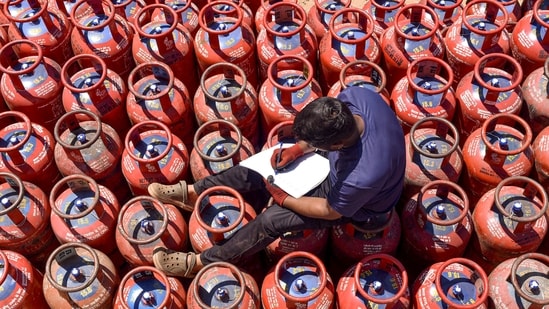
Amid hotel closures, Centre says some commercial LPG cylinders ‘will be released’| India News
Oil Ministry Boosts Kerosene Supply As LPG Alternative Key Takeaways Omni 360 News
India’s Ministry of Petroleum and Natural Gas has initiated a significant move, announcing the allocation of an additional 40,000 kilolitres of kerosene to various states. This decision comes as a direct measure to provide an alternative cooking fuel option, easing the burden on households grappling with the fluctuating prices and sometimes limited availability of Liquefied Petroleum Gas, more commonly known as LPG. For countless families across the nation, this supplementary supply of kerosene offers a practical, albeit temporary, reprieve from kitchen budget strains.
The allocation underscores a pragmatic response to the immediate energy needs of ordinary citizens. In recent times, the cost of LPG cylinders has seen periodic increases, presenting a considerable challenge for many households, particularly those in rural and semi-urban areas. When the primary cooking fuel becomes too expensive or hard to find consistently, families often turn to alternatives. For generations, kerosene has served this purpose, acting as a crucial backup for cooking and lighting, especially in regions with developing infrastructure.
A kilolitre represents a thousand litres, meaning this additional allocation translates to a substantial quantity of fuel designed to bolster public distribution channels. While specific state-wise breakdowns often vary based on local demand and existing infrastructure, the general intent is to support populations where LPG penetration might be lower, or where economic vulnerability makes expensive cooking gas a luxury. States with larger rural populations or those experiencing supply chain disruptions are typically prioritized to receive such supplementary allocations. This ensures that even when modern cooking gas faces hurdles, families still have a viable method to prepare meals.
Historically, kerosene has been a cornerstone of household energy in India, distributed through the Public Distribution System (PDS) at subsidized rates. While government policy has actively promoted cleaner cooking fuels like LPG through initiatives such as the Ujjwala scheme, recognizing the health and environmental benefits, the reality on the ground often necessitates flexibility. The present allocation reflects this adaptive approach—a clear understanding that while the long-term goal remains a shift to cleaner energy, immediate affordability and accessibility cannot be overlooked. For a 12th-standard student to grasp, imagine LPG as the popular, clean electric scooter you want everyone to use, but sometimes the charging stations are far, or electricity is expensive. So, the government is making sure there are still enough reliable, traditional bicycles (kerosene) available and affordable for everyone to get around.
This strategic release of additional kerosene is expected to offer immediate relief. Households that have been forced to ration their LPG use, or even resort to less desirable, polluting alternatives like firewood or dung cakes, will now have a more accessible and relatively cleaner option. It helps maintain stability in household energy consumption, particularly for daily cooking needs, which is fundamental to family well-being.
However, the increased reliance on kerosene also brings with it a set of considerations. Kerosene, while effective, is a fossil fuel. Its combustion in traditional stoves can lead to indoor air pollution, posing health risks, especially for women and children who spend more time in kitchens. Furthermore, the history of kerosene distribution has sometimes been marred by issues of diversion to the black market, where it is sold at higher prices for industrial use or adulteration of other fuels. Therefore, effective monitoring and stringent distribution mechanisms through the PDS are paramount to ensure the intended beneficiaries receive the fuel and that its use is safe and regulated.
The Ministry’s decision represents a delicate balancing act. On one hand, there is an unwavering commitment to transitioning towards cleaner, more sustainable energy sources and reducing the nation’s carbon footprint. On the other, there is the pressing need to ensure energy security and affordability for its vast population today. This additional kerosene supply serves as a bridge, addressing current affordability gaps without abandoning the broader clean energy agenda. It acknowledges that for many, economic constraints dictate fuel choices more powerfully than environmental ideals. Omni 360 News understands that such policy decisions reflect the dynamic challenges of governance in a developing economy, where idealism often meets practical necessity.
Key Takeaways:
* The Oil Ministry has allocated an extra 40,000 kilolitres of kerosene to states.
* This move aims to provide a readily available alternative to LPG, addressing price volatility and supply issues.
* Kerosene remains a vital, accessible cooking fuel for many Indian households, particularly in economically vulnerable regions.
* The allocation is a pragmatic, short-term measure, balancing India’s long-term clean energy goals with immediate affordability needs.
* Effective PDS distribution and monitoring are essential to ensure the kerosene reaches intended beneficiaries safely.





