
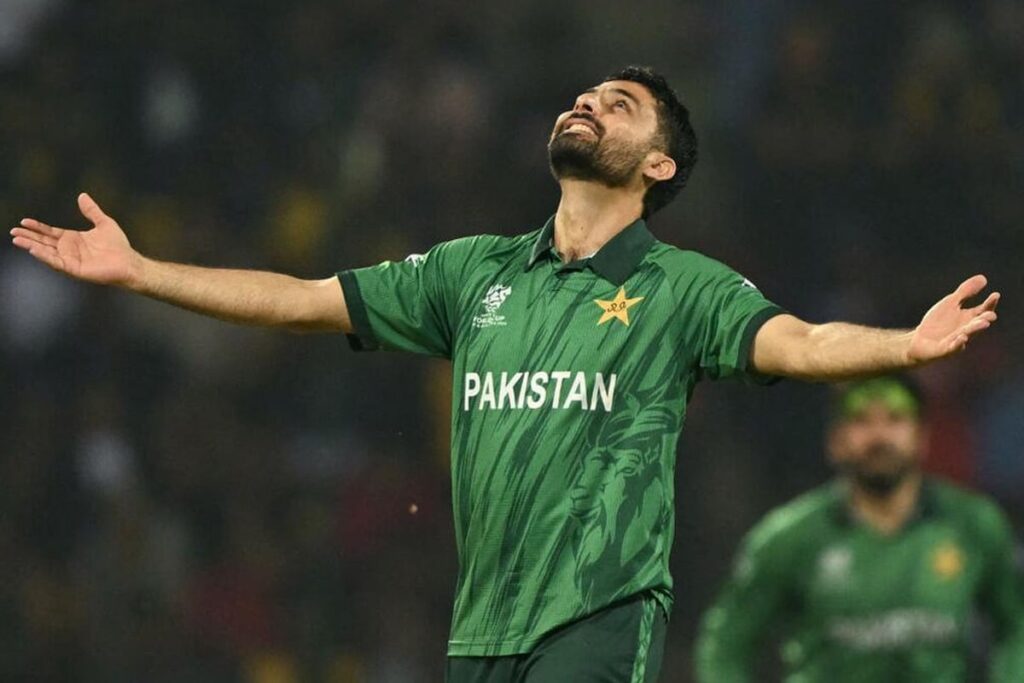
Pakistan spinner to play franchise league in Indian owned team
Cricket’s New Chapter Indian Owners Break Barriers in The Hundred
From the bustling news desk at Omni 360 News, a fascinating development in the world of cricket has captured global attention. A long-standing, unspoken barrier seems to have been dismantled, at least temporarily, in England’s vibrant franchise tournament, The Hundred. Despite previous murmurs of a quiet boycott, Indian-owned cricket franchises recently engaged in spirited bidding for Pakistani cricketers, signalling a notable shift in the sport’s landscape.
The focus of this intriguing turn of events was The Hundred’s player auction held last Thursday. This league, known for its fast-paced, 100-ball format, is gearing up for its next season beginning July 21st. What makes this year’s auction particularly noteworthy is the significant presence of Indian investment. Several Indian Premier League (IPL) franchises hold stakes in The Hundred teams. For instance, the RPSG Group, owners of the Lucknow Super Giants in the IPL, are partners in Manchester Originals. Mumbai Indians has a share in Oval Invincibles, Sunrisers Hyderabad in Northern Superchargers, and Delhi Capitals in Southern Brave. This means that out of the eight teams in The Hundred, four have direct Indian ownership or strong affiliations.
Historically, Pakistani cricketers have largely been absent from the IPL since its inaugural season in 2008 due to political tensions. This absence had, by some accounts, extended into an “unwritten rule” that prevented Indian-affiliated teams from bidding on Pakistani players in other global T20 leagues as well. Heading into The Hundred auction, with 13 Pakistani cricketers listed, speculation was rife that Indian-owned teams might once again sidestep these players.
However, the English Cricket Board (ECB) stepped in with a firm message. Reports indicate the ECB sent a stern warning to all franchises, particularly those with Indian ownership, making it clear that any form of discrimination or bias in team selection would not be tolerated. The board reportedly warned of potential sanctions, including bans, if such practices were observed. This clear directive from the governing body seems to have been a pivotal moment.
The auction itself brought the dramatic shift to light. The most striking moment involved Pakistani spinner Abrar Ahmed. Against all prior expectations of a boycott, Kavya Maran’s Sunrisers Leeds – the team linked to the IPL’s Sunrisers Hyderabad – entered an aggressive bidding war for Ahmed. They eventually secured his services for a remarkable 190,000 pounds, which translates to approximately 2.34 crore in Indian rupees. This was a clear demonstration that, at least on this occasion, sporting merit and market demand outweighed historical political considerations. Another Pakistani spinner, Usama Mir, also found a spot in a team, further cementing this change.
This development is more than just a transaction; it represents a potential thawing of a long-standing freeze in cricketing relations. For years, the absence of Pakistani talent in the IPL, and by extension in other leagues with Indian investment, has been a contentious point. The Hundred auction, driven by the ECB’s resolute stance against discrimination, has created a precedent. It showcases a scenario where, under the right conditions, cricketing talent can transcend national boundaries, even those historically marked by geopolitical friction. This move could open doors for more Pakistani cricketers to participate in global leagues where Indian capital plays a significant role, fostering greater cultural and sporting exchange.
Key Takeaways:
* Indian-owned franchises in The Hundred league actively bid for Pakistani cricketers, defying earlier boycott rumours.
* Kavya Maran’s Sunrisers Leeds secured Pakistani spinner Abrar Ahmed for approximately 2.34 crore Indian rupees.
* The English Cricket Board (ECB) issued a strict warning against discrimination, threatening bans, which influenced the change in bidding strategy.
* This marks a significant deviation from the long-standing absence of Pakistani players in Indian-affiliated cricket ventures.
* The development signals a potential positive shift in cricketing relations and opportunities for players across borders.





