
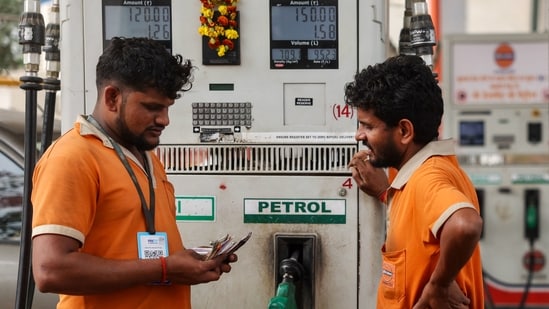
Petrol, diesel prices today: Check latest fuel rates in Delhi, Mumbai, Chennai, Bengaluru and other major cities| India News
Indian Fuel Prices Steady Amid Global Energy Jitters Key Takeaways
Amidst a backdrop of escalating global tensions that typically send energy markets into a frenetic climb, a peculiar calm has settled over fuel stations across India. Despite international crude oil benchmarks like Brent crude experiencing significant volatility driven by geopolitical uncertainties, petrol and diesel prices at the pump for Indian motorists have remained largely unchanged. This stability offers a much-needed, albeit potentially temporary, respite for commuters and businesses nationwide.
Global energy markets are a complex web. When conflicts or major political shifts occur in oil-producing regions, the supply outlook changes, leading traders to bid up prices. For most nations heavily reliant on oil imports, this directly translates to higher domestic fuel costs. Consumers feel the pinch instantly as transportation, manufacturing, and even food prices rise, fueling inflation.
However, India’s situation has diverged from this global trend. The government and public sector oil marketing companies (OMCs) have played a crucial role in absorbing the brunt of these international price fluctuations. Instead of passing on the full increase from expensive crude oil purchases to consumers, OMCs have maintained a steady retail price. This strategy, often influenced by the government’s broader economic goals to manage inflation and support consumer spending, involves a careful balancing act. The existing domestic tax structure on fuel, comprising central excise duty and state Value Added Tax (VAT), also means a significant portion of the retail price is fixed, providing some cushioning. Furthermore, India’s strategic sourcing of crude oil from diverse global suppliers, often negotiating long-term contracts, helps mitigate immediate shockwaves from spot market volatility.
For the average Indian motorist, this sustained price stability is a welcome relief. It means household budgets are not immediately squeezed by rising transport costs, allowing for better financial planning. Businesses, particularly those in logistics and agriculture, benefit from predictable operational costs, preventing a cascading effect of price hikes across various goods and services. This stability is a vital element in India’s fight against inflation, protecting purchasing power and supporting economic growth at the grassroots level.
Looking ahead, the sustainability of this approach warrants close observation. While the current stance provides immediate benefits, OMCs cannot absorb international price hikes indefinitely without impacting their financial health. Any sustained period of high global crude prices could eventually necessitate a review of domestic pricing mechanisms or government intervention through subsidies.
Key Takeaways:
* Despite global energy market volatility due to international tensions, India’s fuel prices have remained remarkably stable.
* This stability is largely attributed to strategic government policy and public sector oil marketing companies absorbing international crude price increases.
* It offers significant temporary relief to Indian motorists and helps curb inflation, benefiting household budgets and businesses.
* The long-term sustainability of this pricing strategy will depend on global crude oil trends and future government economic considerations.
This insightful analysis comes to you from Omni 360 News, providing comprehensive coverage of market dynamics that shape our everyday lives.





