
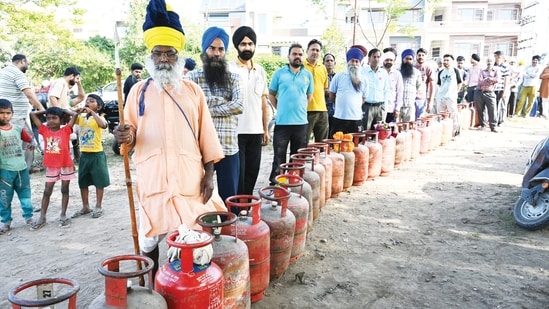
LPG crisis: Check city-wise cooking gas prices as supply concerns take over India| India News
Fuel Queues and Public Unease Navigating Supply Worries
Across various regions, a noticeable tension grips communities as long lines of vehicles snake outside fuel depots and filling stations. This palpable public anxiety unfolds despite official government assurances that national supplies remain robust and there is no actual shortage. Local reports highlight a growing disconnect between official statements and the lived experience of citizens queuing for essential resources.
On-the-ground observations from community news outlets reveal scenes of frustration and urgency. From suburban pumps to rural service stations, motorists are spending hours waiting, sometimes only to find pumps dry or operations temporarily halted. While some local news sources confirm minor logistical delays in specific areas, the widespread queuing appears to be a consequence of heightened demand, rather than a fundamental breakdown in the supply chain. This immediate, visible scarcity fuels a cycle of concern.
Government spokespersons and energy sector officials have consistently reiterated that national fuel reserves are substantial, and distribution networks are functioning effectively. They emphasize that the current pressure on supplies is primarily self-inflicted—a direct result of collective panic buying. The message is clear: if people bought only what they needed, the queues would dissipate, and normal service would resume. This official narrative seeks to calm the public and restore confidence in the system.
So, why do people panic buy when assured there’s enough? The psychology behind such behavior is complex. Past experiences with genuine shortages, amplified by rapid information sharing on social media, can quickly erode trust in official pronouncements. When individuals see others queuing, a fear of missing out—or a rational fear of being stranded if supplies genuinely run out—kicks in. This social contagion transforms perceived scarcity into actual, localized unavailability, even if the broader national picture remains stable. It’s a classic case of collective action leading to unintended consequences, demonstrating how perceived risk can outweigh logical reassurance.
The ripple effects extend beyond mere inconvenience. Essential service providers, local businesses relying on transportation, and daily commuters face significant disruption. The time spent queuing equates to lost productivity and income, impacting local economies. It underscores the critical need for seamless communication from authorities and a measured response from the public to avoid exacerbating an already tense situation.
Omni 360 News continues to monitor these developments, emphasizing the importance of accurate information and community solidarity. Navigating these supply worries effectively demands both government transparency and individual responsibility to break the cycle of panic.
Key Takeaways:
* Widespread fuel queuing persists despite government assurances of ample national supply.
* Local reports indicate high demand, not systemic shortages, is driving current availability issues.
* Panic buying is largely fueled by psychological factors like past experiences and social contagion.
* The situation disrupts daily life and impacts local economic activity.
* Effective resolution requires clear communication from officials and a calm public response.





