
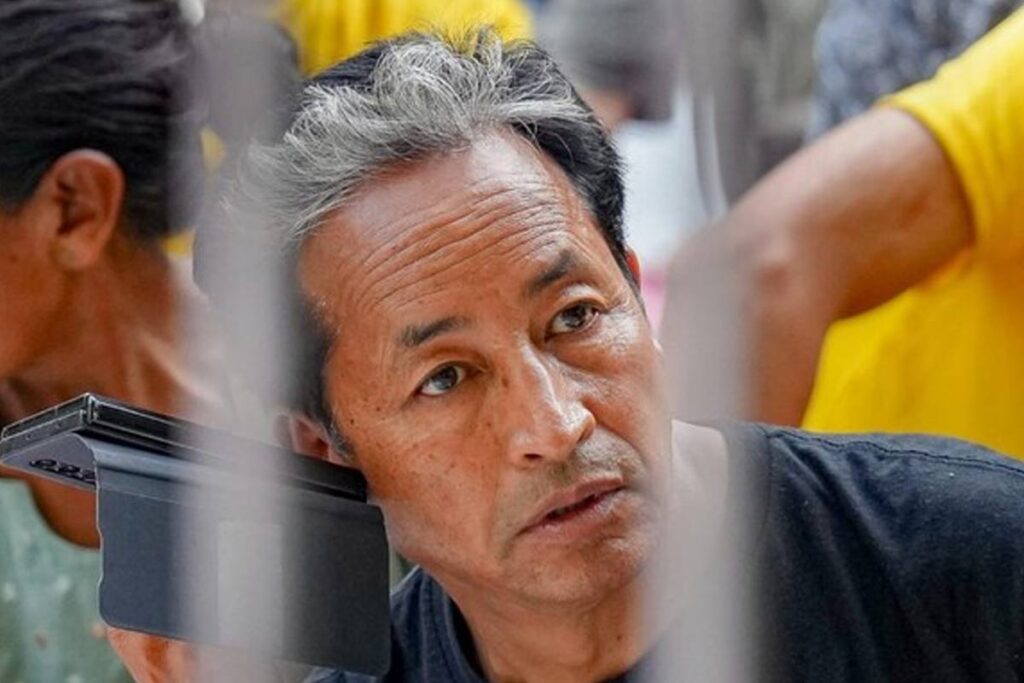
Sonam Wangchuk will be released, MHA claims
Sonam Wangchuk Released From Detention Amidst Calls For Ladakh Dialogue
For months, the name Sonam Wangchuk has echoed from the high altitudes of Ladakh down to the corridors of power in Delhi. A renowned educationist, innovator, and Magsaysay award winner, Wangchuk became the face of a potent movement in the Union Territory of Ladakh, advocating for its ecological and cultural preservation. His detention last September stirred deep concern among local communities and human rights observers. Now, after spending an extended period in custody, primarily in Rajasthan’s Jodhpur jail, Wangchuk has finally walked free, signaling a potential shift towards dialogue concerning Ladakh’s future.
The Path to Detention
Wangchuk’s journey to detention began with the escalating protests in Ladakh during the latter half of 2023. These demonstrations, gaining momentum across the region, highlighted a growing frustration among local residents regarding the perceived threat to their unique identity and fragile ecosystem. The core demands championed by Wangchuk and the people of Ladakh were clear and resonant: a call for full statehood, the swift implementation of the Sixth Schedule of the Indian Constitution to safeguard their land and culture, the establishment of a separate Public Service Commission for Ladakh, and an increase in Lok Sabha constituencies from one to two.
The situation reached a critical point in late September. On September 26 of last year, Sonam Wangchuk was taken into custody. This action came amidst heightened tensions in Ladakh, with reports circulating of protest-related casualties and injuries in the days leading up to his arrest, involving both civilians and security personnel. The District Magistrate of Leh issued the order for his detention under the National Security Act (NSA), a powerful law often used to prevent individuals from acting in a manner prejudicial to the maintenance of public order. Authorities stated the decision was made to ensure peace and maintain law and order within the region.
Initially, details surrounding his whereabouts were scarce, adding to the anxieties of his supporters. Eventually, it was confirmed that he had been transferred to Jodhpur jail in Rajasthan. During his time in detention, Wangchuk reportedly faced health challenges, including issues related to digestion and infections. While concerns for his well-being persisted, later reports confirmed his recovery, offering some solace to those advocating for his release.
The Demands of a Pristine Land
To understand the intensity of the movement led by Wangchuk, it is crucial to grasp the aspirations behind the demands. Ladakh, a land of stark beauty and ancient cultures, faces unique challenges. After its bifurcation from Jammu and Kashmir and its redesignation as a Union Territory in 2019, many local leaders and citizens felt a void in democratic representation and a heightened vulnerability to external exploitation.
The demand for full statehood stems from the desire for greater self-governance and direct participation in decision-making processes that impact their daily lives and future. Local voices argue that a directly elected legislative assembly would be better equipped to address the specific needs and concerns of the region’s diverse communities.
Even more critical is the call for the Sixth Schedule of the Constitution. This provision grants special protection to tribal areas in states like Assam, Meghalaya, Tripura, and Mizoram, allowing for the formation of autonomous district councils that have legislative, judicial, and administrative powers over matters like land, forests, water, and cultural practices. For Ladakh, a predominantly tribal region with a distinct culture and a fragile environment, the Sixth Schedule is seen as the ultimate shield against unregulated development, industrialization, and demographic changes that could irreversibly alter its unique character and ecological balance. Wangchuk, a vocal proponent of environmental sustainability, has consistently highlighted how current decisions are pushing Ladakh towards ecological destruction.
Furthermore, the plea for a separate Public Service Commission (PSC) for Ladakh aims to ensure that local youth have fair opportunities for government jobs within their own region, reducing dependency on broader recruitment processes that might not adequately represent their interests. Lastly, increasing Lok Sabha seats from one to two is viewed as a necessary step to provide more effective parliamentary representation for the distinct geographical and demographic segments of the vast Union Territory.
A Glimmer of Hope from the Home Ministry
The Saturday morning news of Wangchuk’s release brought a wave of relief and cautious optimism. The Home Ministry, in its official statement, affirmed the government’s steadfast commitment to fostering an environment of peace, stability, and mutual trust in Ladakh. Crucially, the statement emphasized the government’s resolve to facilitate “constructive and meaningful dialogue with all relevant stakeholders in Ladakh.” It was in this context, after due consideration, that the decision was made to “immediately withdraw the detention order of Sonam Wangchuk.” The ministry further reiterated the government’s commitment to providing all necessary safeguards for Ladakh, a sentiment that aligns with the core demands of the ongoing movement.
This move is widely seen as an olive branch, an acknowledgment of the persistent concerns in Ladakh, and a potential opening for the long-awaited discussions between the government and local representatives. The release of a prominent figure like Wangchuk, especially under the NSA, could pave the way for a more conducive environment for dialogue.
What Lies Ahead for Ladakh
Sonam Wangchuk’s release marks a significant moment, but it is likely just the beginning of another chapter in Ladakh’s quest for its future. The ball is now in the court of both the government and the Ladakhi leadership to translate the Home Ministry’s commitment to dialogue into concrete actions. The focus will now shift to whether genuine, productive conversations can be initiated to address the deeply held concerns about statehood, the Sixth Schedule, and the protection of Ladakh’s pristine environment and cultural heritage.
As Omni 360 News continues to follow this evolving story, the emphasis remains on the voices of the people of Ladakh and the crucial dialogue that must ensue to secure a sustainable and democratically empowered future for this vital region. The journey towards safeguarding Ladakh’s identity is long, but Wangchuk’s release injects fresh hope into the movement for a solution that respects both local aspirations and national interests.
Key Takeaways:
* Sonam Wangchuk, a prominent social activist and Magsaysay award winner from Ladakh, has been released from detention.
* He was detained last September under the National Security Act (NSA) following widespread protests in Ladakh.
* The protests, led by Wangchuk, demanded full statehood for Ladakh, implementation of the Sixth Schedule of the Constitution, a separate Public Service Commission, and an increase in Lok Sabha seats.
* The Indian Home Ministry announced his release, expressing commitment to peace, stability, and “constructive and meaningful dialogue” with all stakeholders in Ladakh.
* Wangchuk’s release is seen as a crucial step towards opening channels for dialogue between the government and the people of Ladakh regarding their future and demands for protection of their unique culture and environment.





