
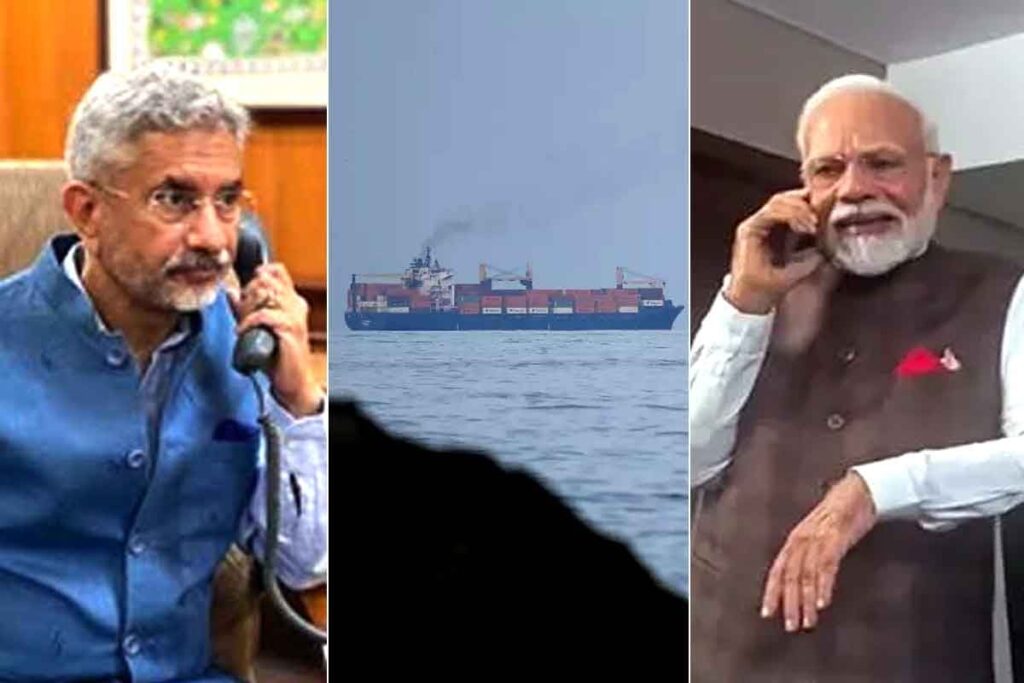
2 India-Bound Ships Cross Hormuz After 4 Rounds Of Phone Calls
Indian Tankers Navigate Hormuz Strait Diplomacy Secures Vital Fuel Passage
In a significant development for India’s energy security, two Indian-flagged LPG tankers, ‘Shivalik’ and ‘Nanda Devi’, have successfully traversed the perilous Strait of Hormuz. These vessels, laden with crucial fuel cargo, are now making their way towards India, a journey made possible through intense diplomatic engagement at the highest levels. This passage marks a moment of relief and strategic achievement amidst escalating regional tensions in West Asia.
The Strait of Hormuz A Critical Global Chokepoint
To understand the gravity of this event, it is essential to grasp the importance of the Strait of Hormuz. Imagine a narrow maritime corridor, barely 21 nautical miles wide at its narrowest point, connecting the Persian Gulf to the open ocean. This is the Strait of Hormuz. It is not just any waterway; it is arguably the world’s most vital chokepoint for global oil and gas shipments. More than 20% of the world’s petroleum and a substantial portion of its liquefied natural gas (LPG) transit through this strait daily. For countries like India, heavily reliant on imported energy, its smooth operation is non-negotiable for economic stability.
Currently, the region is embroiled in conflict, rendering the Strait a highly volatile zone. Iran, a key player in the area, has issued stern warnings, indicating that “not a single litre of West Asian oil” would leave the region under certain circumstances. While Tehran had previously granted passage to China and Russia, India had not been extended the same privilege, amplifying concerns about fuel supply.
India’s Urgent Energy Requirements
Despite government assurances of no domestic fuel crisis, reports of shortages in cooking gas and rising prices have been noted across India. The arrival of ‘Shivalik’ and ‘Nanda Devi’ therefore carries immense national importance. The ‘Shivalik’ alone is carrying an estimated 40,000 metric tons of gas, with ‘Nanda Devi’ also holding a significant volume. In the current global energy landscape, this quantity of fuel is invaluable for meeting the country’s immediate demands and stabilising the market.
Behind the Scenes Diplomatic Efforts
The successful navigation of these tankers is not merely a matter of good fortune but the direct result of concerted diplomatic efforts. Sources indicate intense vigilance and tacit cooperation from Iran and other regional powers, orchestrated by New Delhi. The diplomatic groundwork involved several layers of communication.
Notably, Prime Minister Narendra Modi engaged in a crucial conversation with Iranian President Pezeshkian just last Thursday. This high-level intervention underscored India’s serious concerns regarding its energy lifelines. In parallel, India’s External Affairs Minister, S. Jaishankar, held at least four telephone calls with Iranian Foreign Minister Saeed Abbas Aragachi over the past two weeks. It is believed that these persistent diplomatic dialogues proved instrumental in securing the safe passage for the Indian vessels. These discussions aimed to de-escalate tensions surrounding Indian shipping and clarify India’s neutral stance while seeking assurances for its commercial interests.
This marks the third instance of a fuel-laden vessel successfully reaching Indian ports despite the ongoing conflict and the challenging conditions in the Strait of Hormuz. It reflects India’s proactive diplomacy in safeguarding its crucial economic interests.
Implications for India’s Energy Security
The safe passage of ‘Shivalik’ and ‘Nanda Devi’ offers immediate relief to India’s energy landscape, ensuring the availability of vital LPG supplies. Beyond the immediate impact, this event sends a powerful message about India’s robust diplomatic capabilities. It demonstrates the nation’s ability to navigate complex geopolitical waters and secure its interests through dialogue and strategic engagement, even with countries facing international scrutiny. For Omni 360 News, this highlights the intricate balance between global politics and economic realities.
The incident underscores India’s heavy reliance on international maritime routes for its energy needs and the constant vigilance required to maintain these supply lines. It also reiterates the importance of maintaining strong, multi-faceted relationships with key nations in West Asia to ensure stability and continuity of trade.
Looking Ahead
While this specific challenge has been overcome, the broader geopolitical situation in West Asia remains fragile. The Strait of Hormuz will continue to be a focal point of global attention. India’s ability to secure its energy needs in such an environment will depend on continued astute diplomacy and a clear-headed approach to international relations. The successful passage of ‘Shivalik’ and ‘Nanda Devi’ serves as a testament to the power of dialogue in defusing potential crises and upholding vital trade routes.
Key Takeaways:
* Two Indian LPG tankers, ‘Shivalik’ and ‘Nanda Devi’, successfully crossed the Strait of Hormuz, bringing crucial fuel to India.
* The passage was secured through high-level diplomatic efforts, including calls from Prime Minister Narendra Modi and External Affairs Minister S. Jaishankar with their Iranian counterparts.
* The Strait of Hormuz is a vital global chokepoint for oil and gas, currently made dangerous by ongoing conflicts in West Asia and Iran’s restrictions on non-allied shipping.
* India faces reported domestic fuel gas shortages and price increases, making the arrival of the approximately 40,000 metric tons of LPG on ‘Shivalik’ (plus ‘Nanda Devi’s cargo) critically important.
* This marks the third fuel-laden vessel to safely reach India amidst regional hostilities, underscoring India’s commitment and capability in securing its energy supply lines.





