
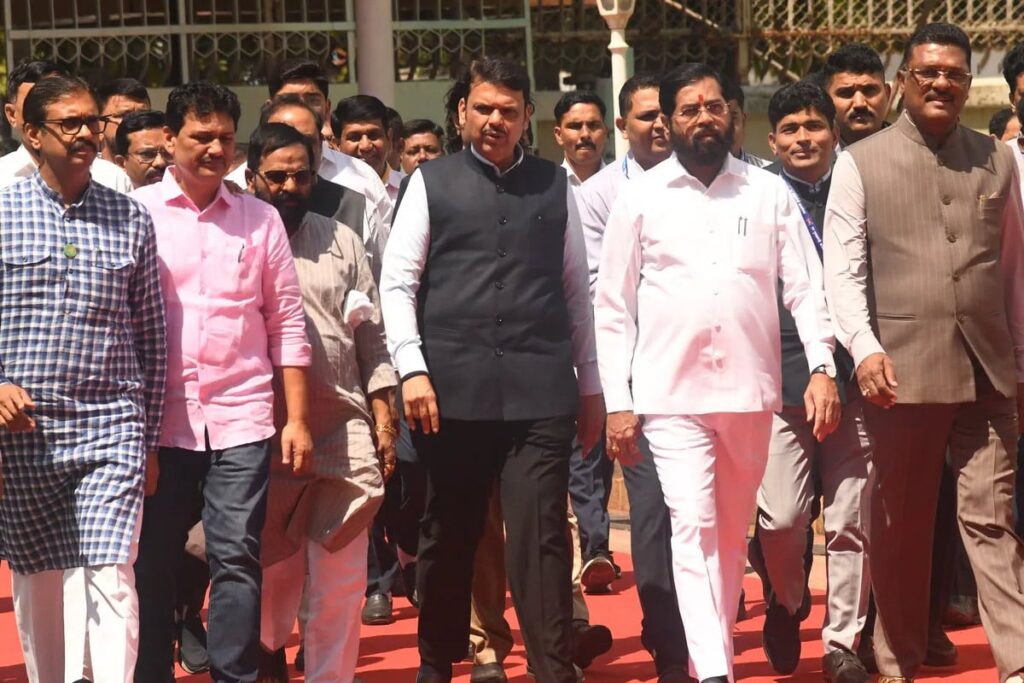
Maharashtra government tables Bill to ban ‘unlawful conversions’
Maharashtra Introduces New Anti-Conversion Bill Dharma Swatantrata 2026
Omni 360 News
Mumbai, Maharashtra – A significant legislative development is unfolding in Maharashtra, as a new measure aimed at curbing illegal religious conversions, titled the ‘Dharma Swatantrata Bill 2026’, has been presented before the state assembly. This proposed legislation is designed to implement stringent provisions against conversions deemed unlawful, setting a precedent that is reportedly more rigorous than similar laws adopted in several other states governed by the Bharatiya Janata Party. The bill delves into various aspects of religious conversion, including the legal standing and identity of children born from interfaith marriages involving conversion, and outlines a comprehensive process for legitimate religious changes.
At its core, the ‘Dharma Swatantrata Bill 2026’ seeks to bring clarity and control over religious conversions, which have frequently been subjects of social and political discourse across the nation. Proponents of the bill argue it is essential to prevent conversions that occur through coercion, deceit, or allurement, ensuring that such deeply personal decisions are made truly voluntarily. Critics often raise concerns about potential infringements on individual religious freedom. This new draft legislation, however, meticulously details what constitutes a legal conversion and the penalties for any deviation from the prescribed process.
One of the bill’s most distinct features addresses the religious identity of children born from marriages where one parent has undergone conversion. In such cases, the bill stipulates that the child’s religious identity will be determined by the mother’s religion prior to her marriage. This provision aims to provide a clear framework for such delicate situations. Importantly, the bill also safeguards the child’s financial future, ensuring full legal rights to the property of both the mother and the father, regardless of their religious identities. Furthermore, both parents are legally obligated to provide for the child’s maintenance, as per specific legal provisions outlined in the proposed Indian Citizen Protection Code’s Section 144. In matters of custody, the mother is designated to retain custody of the child until a court issues a different directive. These clauses highlight an attempt to balance religious regulations with child welfare and legal rights.
For individuals wishing to undergo a voluntary religious conversion, the Dharma Swatantrata Bill lays down a rigorous, multi-stage process. Aspiring converts must submit a detailed written application to the District Magistrate’s office at least 60 days before the intended conversion. This application must include comprehensive personal information such as the applicant’s age, profession, current religious affiliation, and the specific religion they intend to adopt. Following the submission, the District Magistrate and local police authorities are mandated to conduct a thorough investigation. The primary objective of this verification is to ascertain beyond doubt that the conversion is entirely voluntary and free from any form of compulsion or undue influence.
Beyond the initial application and verification, the bill mandates a post-conversion declaration. Both the individual who has converted and the organization or individual facilitating the conversion ceremony must submit a declaration to the district administration within 60 days following the event. Only upon the successful completion of these stringent steps and the submission of all required declarations will the conversion be legally recognized. Any conversion that bypasses or fails to adhere to these prescribed procedures will be deemed illegal, attracting legal repercussions.
The penalties for unlawful conversions under the Dharma Swatantrata Bill are notably strict. For any general instance of illegal conversion, the offense could lead to imprisonment for up to seven years and a fine reaching up to one lakh rupees. The bill specifies even harsher penalties when vulnerable sections of society are involved. If the conversion targets individuals belonging to Scheduled Castes, Scheduled Tribes, women, or minors, the fine can increase significantly, up to five lakh rupees. Mass conversions, defined as the conversion of two or more persons, also carry severe penalties, including seven years of imprisonment and a fine of up to five lakh rupees. For those who commit the offense repeatedly, the legislation proposes an even sterner punishment: up to ten years of imprisonment and a fine of up to seven lakh rupees.
The scope of who can file a complaint against an alleged illegal conversion is also broad, designed to encourage reporting and discourage illicit practices. The converted individual themselves, their parents, siblings, or any blood relative are empowered to file an First Information Report (FIR). Additionally, any relative connected through marriage or adoption is also granted the legal standing to initiate a complaint, thus expanding the net of accountability and oversight.
The introduction of the Dharma Swatantrata Bill 2026 in Maharashtra marks a significant legislative effort in the ongoing national discourse surrounding religious conversions. By proposing detailed procedures, specific provisions for children in interfaith marriages, and stringent penalties, the bill aims to establish a clear legal framework. As lawmakers deliberate on its clauses, the ramifications for religious freedoms and social harmony within the state will be closely watched.
Key Takeaways:
* The ‘Dharma Swatantrata Bill 2026’ in Maharashtra aims to prevent illegal religious conversions through stringent new laws.
* The bill mandates a 60-day advance application to the District Magistrate for voluntary conversions, followed by police verification.
* Post-conversion, both the individual and the facilitating organization must submit a declaration within 60 days for legal recognition.
* For children born from converted marriages, the bill states their religious identity will follow the mother’s pre-marriage religion, while ensuring full property rights from both parents.
* Penalties for illegal conversions range from up to 7 years imprisonment and 1 lakh fine, increasing significantly for vulnerable groups, mass conversions, or repeat offenses.
* A broad range of relatives, including blood relatives and those related by marriage or adoption, can file complaints under the new bill.





