
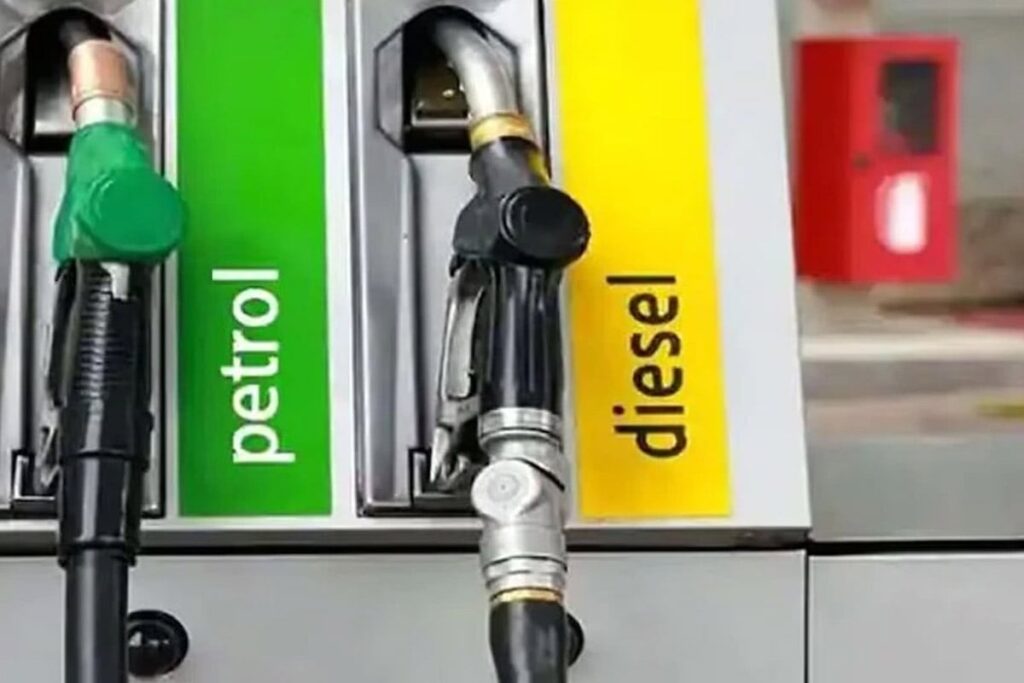
Petrol, Diesel supplies adequate, govt reiterates
Omni 360 News
Gas Crisis Unfolds Across India Fuel Ministry Issues Stern Warnings
A noticeable shift in the nation’s energy landscape has become apparent as the government acknowledges challenges in cooking gas supply. Initially, official statements downplayed any impending crisis. However, recent developments indicate a more complex situation, with the Union government now openly addressing issues related to gas distribution across the country. This comes amidst broader global uncertainties, particularly those linked to the conflict in Iran, which can ripple across international energy markets.
Just days prior, Union Petroleum Minister Hardeep Singh Puri had reassured the public, stating there was no scarcity of gas or oil and that supplies remained uninterrupted. This week, that narrative evolved. The central government confirmed that while gas distribution centers are not facing outright depletion, there are indeed hurdles in the smooth flow of cooking gas. This admission marks a significant moment, bringing the public into a clearer understanding of the difficulties faced in maintaining essential energy supplies.
The evolving situation has prompted the Ministry of Petroleum to issue a series of crucial directives concerning petrol and diesel. Alongside the acknowledgement of gas supply issues, the ministry has also addressed growing anxieties around motor fuels. It firmly asserts that the country currently possesses adequate reserves of both petrol and diesel. The message to citizens is clear: there is no immediate shortage of these vital fuels, and therefore, there is no cause for undue alarm regarding their availability.
However, the government’s communication extends beyond mere reassurance. A strong appeal has been made to the public to refrain from unnecessarily hoarding petrol or diesel. This request stems from a very practical concern: panic buying can artificially inflate demand. When many people rush to stock up on fuel, it creates an illusion of scarcity, even if actual supplies are robust. Such a situation can lead to long queues at petrol pumps, disrupt normal distribution patterns, and ultimately create difficulties for everyone.
Beyond the issue of artificial scarcity, there’s a critical safety dimension to these directives. The Ministry of Petroleum has emphatically warned against storing petrol or diesel in unsuitable or unsecured containers. These fuels are highly flammable and volatile. Keeping them in inappropriate vessels, such as ordinary plastic bottles or open containers, poses a significant fire hazard and can lead to dangerous accidents, endangering not only the individuals involved but also their communities.
The origin of this precautionary measure is deeply rooted in public behavior observed recently. Triggered by the prevailing cooking gas crisis, many citizens have begun to fear a similar fate for petrol and diesel. This fear has translated into visible actions: extended lines at petrol stations and attempts by some individuals to stock up on fuel using containers that are simply not designed or safe for such storage. The government’s stern warning aims to curb this unsafe practice and prevent potential tragedies.
To enforce these safety guidelines and prevent the creation of artificial shortages, strict instructions have been issued directly to petrol pump operators nationwide. They have been explicitly told not to sell petrol or diesel into empty or unprotected containers. Any deviation from this rule will not be tolerated. The government has made it clear that petrol pumps found violating this directive, by dispensing fuel into unsuitable vessels, will face legal consequences. An instance of action already taken against a pump in Tamil Nadu serves as a tangible example of the government’s commitment to enforcing these new rules.
This dual approach by the government—assuring the public of sufficient fuel supplies while simultaneously implementing stringent measures against hoarding and unsafe storage—highlights the delicate balance required to manage energy security during times of global volatility. It underscores the importance of public cooperation and adherence to safety norms to ensure that essential services continue uninterrupted and potential hazards are averted.
Key Takeaways:
- The government has now acknowledged challenges in cooking gas supply across the country, linked partly to global events.
- Despite gas supply issues, the Ministry of Petroleum assures the public that petrol and diesel availability is sufficient.
- Citizens are urged not to hoard petrol or diesel to prevent artificial scarcity and long queues.
- Storing fuel in unsafe or empty containers is strictly prohibited due to significant fire hazards.
- Petrol pumps are mandated not to sell fuel into unsecured containers, with legal action threatened against non-compliance.
- These measures aim to manage energy security, ensure public safety, and maintain orderly distribution of essential fuels.





