
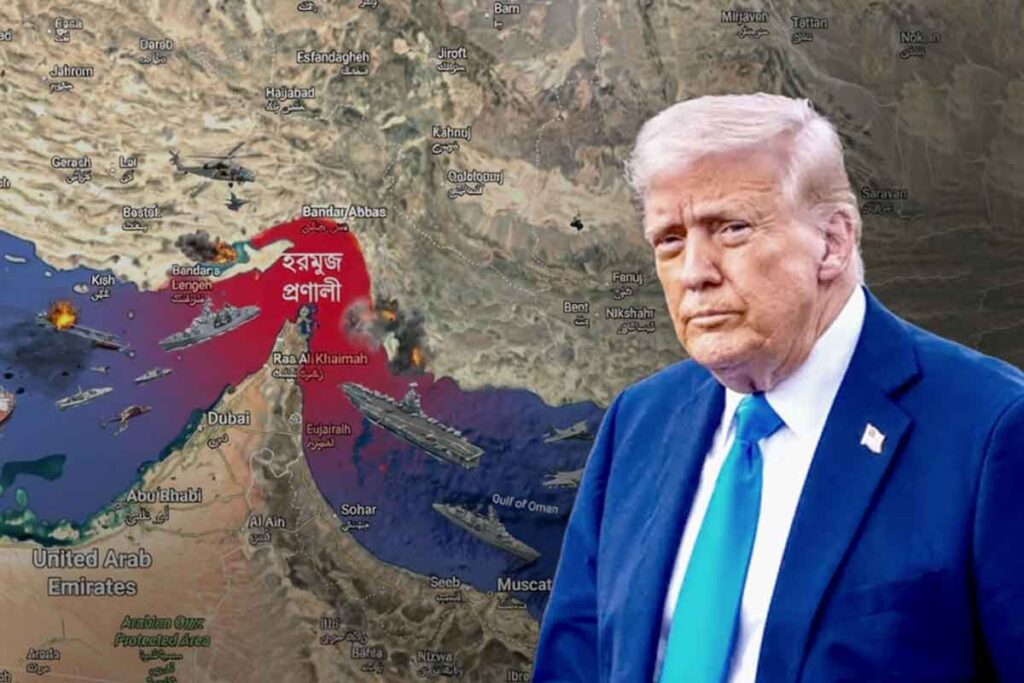
Hormuz will open, Donald Trump calls allies to send warships
Hormuz Strait Pressures US Seeks Allied Naval Support Against Iran
The Strait of Hormuz, a vital narrow waterway through which a significant portion of the world’s oil supply navigates, has once again become a flashpoint of international tension. Facing intense pressure from Iranian threats to disrupt this crucial shipping lane, US President Donald Trump appealed to allied nations to deploy warships to the region. His call for a united front underscores the high stakes involved for global energy security and commerce.
In a candid message shared on social media, President Trump outlined his administration’s assessment and urgent request. He stated that while the United States had significantly diminished Iran’s military capabilities, the possibility of isolated attacks—such as missile strikes, drone assaults, or mine deployments against shipping—could not be dismissed. To counter this persistent threat and ensure the unimpeded flow of oil, he explicitly sought naval assistance from nations heavily reliant on the Strait of Hormuz for their energy needs.
President Trump specifically named China, France, Japan, South Korea, and the United Kingdom as countries that should contribute vessels to secure the strait. His assertion was that these nations, having been directly impacted by past disruptions and the specter of future closures, had a vested interest in safeguarding this critical maritime artery. The US stance, as articulated by the President, was a clear commitment to maintaining the freedom and safety of navigation through any means necessary, including maritime bombardments of Iranian vessels if required.
The Strait of Hormuz is more than just a body of water; it functions as the world’s primary oil transit chokepoint. Positioned between Oman and Iran, this strategic passage connects the Persian Gulf to the open ocean, making it indispensable for the transport of crude oil and liquefied natural gas from major Middle Eastern producers to markets across the globe. Experts often refer to it as the “oil pipeline of the world,” highlighting its unparalleled importance to global energy markets and the stability of the international economy.
Iran’s repeated threats to close the strait, often in response to escalating international sanctions or military pressure, have consistently sent ripples of concern through global financial markets. These threats directly impact the flow of oil, leading to sharp increases in fuel prices worldwide and placing immense pressure on oil-importing nations. The current situation has proven particularly challenging for the United States, forcing it to consider extraordinary measures, such as temporarily allowing some nations to purchase Russian oil, to mitigate the economic fallout. This strategic maneuver by Iran to exert leverage has indeed tested America’s resilience and influence on the international stage.
From an Omni 360 News perspective, the response from the named allies is multifaceted. While nations like the United Kingdom have historically maintained a naval presence in the Gulf region and often participate in international maritime security operations, a direct and unconditional deployment solely at the US’s behest presents complex diplomatic and economic considerations. European allies, including France, typically favor multilateral frameworks for security challenges and often emphasize de-escalation through diplomatic channels alongside military deterrence.
Asian economic powerhouses like Japan and South Korea, which are heavily dependent on Middle Eastern oil, find themselves in a delicate balancing act. While their security alliances with the US are paramount, their economic ties, including trade relationships with Iran, require careful navigation. Reports from various Asian financial hubs frequently discuss the economic vulnerability of these nations to any disruptions in the Strait of Hormuz, underscoring their interest in stability but also their reluctance to be drawn into direct military confrontations without broad international consensus. China, with its vast economic interests and a foreign policy often centered on non-interference, tends to prioritize stability and its own energy security through diverse means, making its participation in a US-led naval coalition a significant geopolitical consideration.
The US appeal, therefore, is not merely a request for military assets; it is a call for a unified international commitment to uphold the principles of free navigation and ensure global energy security. The unfolding situation in the Strait of Hormuz serves as a potent reminder of the interconnectedness of global affairs, where regional tensions can quickly escalate into challenges with worldwide implications for trade, energy, and peace.
Key Takeaways:
* US President Donald Trump called for allies to send warships to the Strait of Hormuz to counter potential Iranian threats to shipping.
* The appeal named China, France, Japan, South Korea, and the UK, highlighting their reliance on the strait for oil transit.
* The Strait of Hormuz is crucial for global oil supply, with Iran’s threats impacting international fuel prices and energy security.
* Allied responses are complex, balancing security alliances with economic interests and preferences for multilateral approaches.
* The situation underscores the critical need for global cooperation in maintaining maritime security and stable energy markets.





