
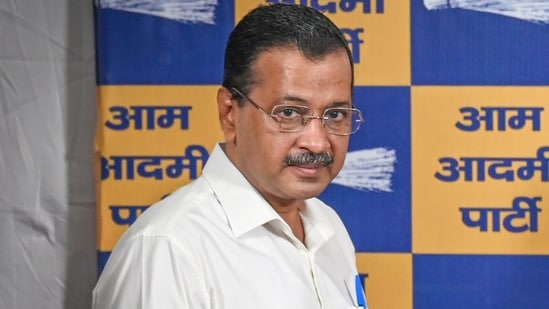
'Modi govt exposed again': Kejriwal welcomes Wangchuk's release, draws comparison with AAP leaders' jailing| India News
Former Chief Minister Links Sonam Wangchuk Ladakh Protest to AAP Delhi Liquor Allegations
A notable political voice, a former Chief Minister, has drawn a striking parallel between the ongoing protest of climate activist Sonam Wangchuk in Ladakh and the treatment meted out to Aam Aadmi Party (AAP) leadership facing allegations in the Delhi liquor policy case. This comparison, reported widely across regional news platforms, spotlights a growing concern over perceived government approaches to dissent and political opposition in the country, a topic Omni 360 News diligently follows.
Sonam Wangchuk, an acclaimed innovator and education reformist, has been undertaking a prolonged climate fast in Leh, Ladakh. His urgent demands center on securing constitutional safeguards for Ladakh under the Sixth Schedule, granting the region statehood, and establishing separate Lok Sabha constituencies for Leh and Kargil. Wangchuk and his supporters contend that Ladakh’s fragile ecology and unique indigenous culture face existential threats from unchecked industrialization and tourism, especially without the protections afforded by the Sixth Schedule, which guarantees autonomy for tribal areas. Local reports indicate a deep-seated frustration among the region’s inhabitants regarding what they perceive as governmental indifference to these pressing issues, leading to Wangchuk’s drastic measure to draw national attention. The perceived lack of meaningful dialogue or concrete action on these demands is a central point of contention.
On the other side of the country, the Delhi liquor policy case has seen high-profile arrests and investigations involving top AAP leaders, including Delhi’s Chief Minister Arvind Kejriwal and former Deputy Chief Minister Manish Sisodia, by central agencies like the Enforcement Directorate (ED) and Central Bureau of Investigation (CBI). The allegations revolve around alleged irregularities and corruption in the formulation and implementation of Delhi’s excise policy. While investigative agencies assert their actions are based on evidence of financial impropriety, AAP leaders have consistently maintained that these probes are politically motivated, an attempt to stifle opposition and target their government. News from local Delhi circles frequently covers the back-and-forth between the ruling party and the investigating agencies, underscoring the intense political climate surrounding the case.
The former Chief Minister’s statement creates a compelling narrative, suggesting that despite the vastly different contexts – one an environmental and regional rights protest, the other an alleged corruption scandal – there is a common thread in how authorities are perceived to handle critical voices. She implies that whether it’s an activist like Sonam Wangchuk raising concerns for an entire region or political leaders facing serious allegations, there’s a pattern of strong-arm tactics or a lack of engagement that raises questions about democratic norms. The crux of her argument is not about the guilt or innocence of those involved but rather the *process* and the perceived intent behind the actions taken by state and central apparatuses.
This comparison encourages a broader societal reflection. It prompts citizens to consider whether the mechanisms designed to ensure accountability and maintain order are being applied fairly and transparently across the political spectrum, regardless of the issue at hand. It highlights the importance of open dialogue and due process in a functioning democracy.
Key Takeaways:
* An ex-Chief Minister connects Sonam Wangchuk’s Ladakh protest for constitutional safeguards with the legal actions against AAP leaders in the Delhi liquor case.
* Sonam Wangchuk’s climate fast in Ladakh demands Sixth Schedule protection, statehood, and separate Lok Sabha seats for the region, citing environmental and cultural preservation needs.
* The Delhi liquor case involves central agency investigations and arrests of AAP leaders over alleged policy irregularities, which AAP claims are politically motivated.
* The comparison suggests a perceived pattern in how authorities manage dissent or opposition, regardless of whether it’s an activist’s cause or a political party’s legal battle.
* This viewpoint raises important questions about fairness, transparency, and the balance of power in democratic processes.
Ultimately, the former Chief Minister’s remarks serve as a poignant reminder that public discourse often seeks to identify underlying patterns in governance, particularly concerning how power interacts with dissent and opposition. It underscores the ongoing debate about justice, political targeting, and the integrity of institutions, pushing these crucial conversations to the forefront of national attention.





