
Just Like That
India’s T20 Win Prompts Secularism Debate After Players’ Temple Visits
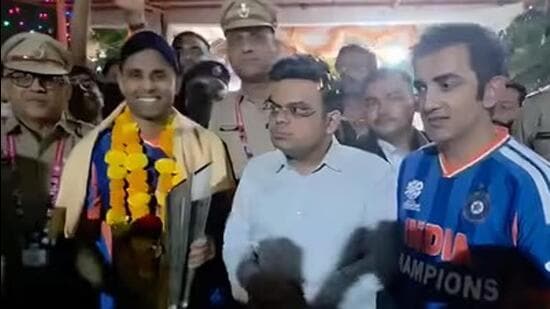
India’s triumphant T20 World Cup winning team, fresh from their victory, sparked a significant national discussion following their post-win visits to revered temples like Puri’s Jagannath and Tirupati. This public display of personal faith, while common for many, drew sharp criticism from Trinamool Congress Member of Parliament Kirti Azad, reigniting the complex debate on secularism and religious expression in India’s public life.
Azad, a former cricketer himself, questioned whether such high-profile religious acts by a national team align with India’s constitutional commitment to secularism. He argued that public figures, particularly those representing the nation, should uphold state neutrality in religious matters, thereby avoiding any perception of promoting one faith over others. His stance highlighted the distinction between private belief and public endorsement, raising concerns about blurring the lines between faith and state roles.
The MP’s remarks quickly drew diverse reactions. Many citizens and political figures defended the players’ right to express their faith freely, asserting that personal devotion should not be curtailed simply because one holds a public role. They cited India’s unique approach to secularism, which ensures equal respect for all religions and allows for state engagement without discrimination, rather than a strict Western-style separation. Local reports from regions like Odisha and Andhra Pradesh noted widespread public appreciation for the team’s humility and spiritual gratitude.
Conversely, others supported Azad’s contention, stressing the importance of maintaining an unambiguous secular image for national symbols like the cricket team. This group voiced concerns about growing religious integration into public life, advocating for rigorous adherence to principles that prevent any religious group from feeling marginalized or overlooked.
This incident, extensively covered by outlets like Omni 360 News, highlights an ongoing tension within Indian society: how personal faith intersects with public roles and national identity. For a 12th standard student, understanding this means recognizing that while individuals possess freedom of religion, representing the nation involves a debate on how that expression impacts the collective perception of a secular state. This nuanced discussion on faith, public life, and India’s secular fabric remains a core part of the nation’s discourse. Key takeaways include the conflicting views on public religious displays by national figures, reflecting India’s unique approach to secularism and the ongoing challenge of balancing individual liberty with constitutional neutrality.





