
Delhi HC CJ denies Kejriwal request to shift CBI appeal in excise policy case| India News
Delhi High Court Chief Justice Upholds Due Process in Excise Policy Case Key takeaways
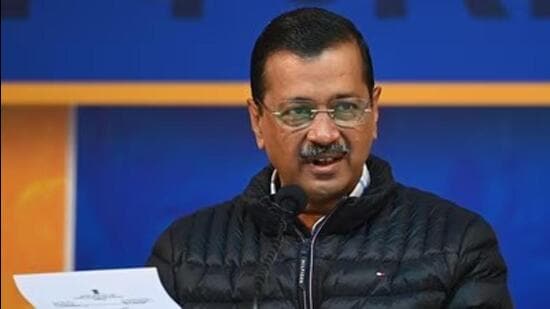
In a significant development for a high-profile legal matter, the Delhi High Court Chief Justice D.K. Upadhyaya recently declined a request from Delhi Chief Minister Arvind Kejriwal. The Chief Minister had sought to have the Central Bureau of Investigation’s (CBI) appeal, which challenges a trial court’s decision to discharge him and others in the Delhi excise policy case, transferred to a different bench of the High Court. This ruling underscores the established legal principles governing the transfer of cases and ensures that legal proceedings continue without administrative delays based on perceived biases.
The Core of the Matter: A Request for Transfer
At the heart of this legal episode was a petition filed by Mr. Kejriwal. He sought to move the CBI’s ongoing appeal from the particular High Court bench that was already handling it to another one. To understand this, imagine a student appearing for an exam. If they feel a particular teacher might not grade them fairly, they might request their paper be evaluated by another teacher. In the legal world, a “transfer petition” is a formal request to move a case from one court or judge to another, usually because one party believes they cannot receive a fair hearing in the current setting.
The CBI’s appeal itself is a challenge against a previous ruling by a lower court, known as a trial court. This trial court had, in simpler terms, “let go” or “discharged” Mr. Kejriwal and several other individuals from the criminal charges brought against them by the CBI in connection with the controversial Delhi excise policy. When a court discharges someone, it means it finds insufficient evidence at that stage to proceed with a full trial against them on those specific charges. However, this does not necessarily mean they are acquitted; it often means the initial evidence presented by the investigative agency was deemed inadequate to frame charges. The CBI, disagreeing with this discharge, took its challenge to the Delhi High Court.
Background to the Excise Policy Case
The Delhi excise policy case has been a subject of considerable public discussion and scrutiny. It involves allegations of irregularities in the formulation and implementation of a new policy related to the sale of alcohol in the National Capital Territory of Delhi. Investigative agencies like the CBI and the Enforcement Directorate (ED) have been looking into claims of corruption, kickbacks, and violations of rules. The case has seen various political figures and government officials come under the scanner, leading to arrests and ongoing legal battles. The trial court’s order to discharge some individuals, including Mr. Kejriwal, was a pivotal moment, and the CBI’s subsequent appeal highlights the agency’s commitment to pursuing the allegations.
Arguments Presented in Court
During the hearing before Chief Justice Upadhyaya, Mr. Kejriwal’s legal team presented arguments primarily centered on the need for a hearing free from any perception of bias or prejudice. While specific details of these arguments are often nuanced, such pleas typically cite an “apprehension of bias,” meaning a reasonable fear that a fair hearing might not be possible under the existing circumstances. This could stem from various procedural aspects or previous interactions, even if unintentional. The core demand was for the case to be heard by a different “bench,” which refers to a specific panel of judges within the High Court.
On the other side, the CBI firmly opposed the transfer plea. Their stance was that there were no valid or strong legal grounds to move the case. They argued that such a transfer would not only cause unnecessary delays in a significant public interest case but also set a precedent that could be misused in other legal proceedings. The CBI’s arguments often stress that mere apprehension, without concrete proof of bias, is usually insufficient to warrant a case transfer. Their objective was to ensure the appeal proceeds in the established manner, without procedural interruptions.
Chief Justice’s Rationale and the Rule of Law
After carefully considering the submissions from both sides, Chief Justice D.K. Upadhyaya delivered his ruling, rejecting Mr. Kejriwal’s plea. The Chief Justice’s decision was rooted in fundamental legal principles. Transfer of cases, especially in higher courts, is not granted lightly. It requires substantial and compelling reasons, often involving proof of actual bias or a very strong, objectively verifiable apprehension of injustice. The judiciary operates on the presumption of impartiality, and a challenge to this impartiality needs robust evidence.
The Chief Justice’s ruling effectively upheld the principle that judicial proceedings should not be disrupted based on speculative concerns. It reinforced the standard legal position that parties must demonstrate concrete and reasonable grounds for fearing a prejudiced hearing, not just a subjective feeling. This decision ensures that the existing legal framework and administrative setup for hearing cases are respected, and that procedural changes are only made when absolutely necessary to protect fundamental rights to a fair trial.
What This Means Moving Forward
The rejection of Mr. Kejriwal’s transfer plea means that the CBI’s appeal against the trial court’s discharge order will continue to be heard by the original bench of the Delhi High Court. This ruling clears the path for the substantive legal arguments regarding the excise policy case to proceed without further administrative detours. For the public and for agencies like the CBI, it signals that the legal process will continue its course as initially scheduled.
This development, reported by Omni 360 News, highlights the robust nature of judicial review and the structured approach to managing high-stakes legal challenges. It reminds us that while parties have the right to seek remedies, these requests must align with the established rules of court and uphold the integrity of the judicial system.
Key Takeaways:
* The Delhi High Court Chief Justice D.K. Upadhyaya rejected Arvind Kejriwal’s plea to transfer the CBI’s appeal in the excise policy case.
* Kejriwal sought the transfer due to an apprehension of bias, a common ground for such requests.
* The CBI opposed the plea, arguing for no valid grounds and potential delays.
* The Chief Justice’s decision emphasizes that strong, objective reasons are required to transfer a case, affirming the judiciary’s presumption of impartiality.
* This means the CBI’s appeal against the trial court’s discharge order will proceed before the original High Court bench, ensuring the legal process continues without further administrative interruptions.





