
Rajya Sabha elections 2026 LIVE: Voting begins in Haryana for 2 seats| India News
Crucial Rajya Sabha Elections 2026 Haryana Voting Underway After Bihar Odisha Ballots
As the political landscape continues its ceaseless churn, the focus of India’s democratic machinery has once again sharpened on the Rajya Sabha, the Upper House of Parliament. What started with intense electoral activity in states like Bihar and Odisha, now sees the spotlight firmly on Haryana, where voting is actively underway for two crucial seats. This pivotal day will culminate with the counting of votes commencing after 5 PM, determining the fate of several aspirants and, by extension, the legislative balance in New Delhi. Omni 360 News brings you a comprehensive report from the ground up, dissecting the intricacies of these vital elections.
Understanding the Rajya Sabha Election Process
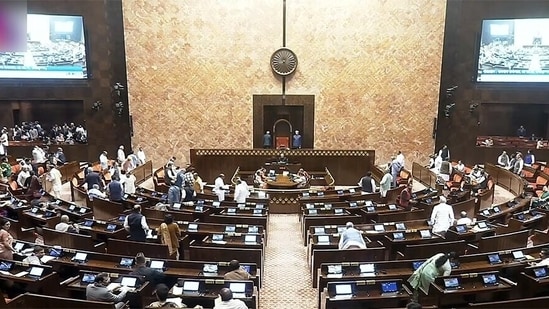
For those new to the complexities of Indian electoral politics, it’s essential to grasp what the Rajya Sabha is and how its members are chosen. Imagine Parliament as a two-story building. The Lok Sabha, or House of the People, is like the ground floor where representatives are directly elected by citizens. The Rajya Sabha, often called the Council of States, is the upper floor, representing India’s federal structure. Its members are not directly elected by the public. Instead, they are chosen by the elected Members of Legislative Assemblies (MLAs) in each state through a system of proportional representation with a single transferable vote. This indirect election method means every vote cast by an MLA carries immense weight, making these contests a keen battle of political strategy, party loyalty, and sometimes, outright defection fears. The Rajya Sabha is a permanent house, meaning it cannot be dissolved, ensuring continuity in India’s legislative process. Its members serve for six years, with approximately one-third retiring every two years, necessitating these periodic elections.
The Electoral Canvas: Bihar and Odisha
The electoral rhythm for the 2026 Rajya Sabha cycle began weeks ago, with states like Bihar and Odisha witnessing their quotas of representatives being chosen. In Bihar, a state known for its vibrant and often unpredictable political currents, the elections for its Rajya Sabha seats saw intense behind-the-scenes negotiations and public posturing. The strength of various political alliances within the Bihar Legislative Assembly played a decisive role, with parties meticulously counting their numbers to ensure their candidates sailed through. Similarly, in Odisha, where a dominant regional party often holds sway, the voting process was closely watched. While the specific political narratives for 2026 in these states involve local power dynamics and alliances unique to their political history, the overarching theme remained the consolidation of party strength and securing representation in the national upper house. Voting in both these states has now concluded, and the political fraternity across the nation keenly awaits their results alongside Haryana’s. The outcomes from Bihar and Odisha are already factored into the larger national arithmetic, setting the stage for the next phase.
Haryana Takes Center Stage: Two Seats at Stake
Today, all eyes are on Haryana, a state often at the heart of robust political contests. Here, the election for two Rajya Sabha seats is more than just a routine affair; it’s a high-stakes drama reflecting the delicate balance of power within the Haryana Vidhan Sabha. With the state assembly’s composition often seeing relatively slender majorities, every single MLA’s vote becomes invaluable. Political parties, both the ruling dispensation and the opposition, have engaged in exhaustive efforts to ensure their flock remains together, guarding against any potential cross-voting or last-minute shifts in allegiance.
The strategy rooms of political parties in Chandigarh have been buzzing with activity for days. From securing signatures on commitment letters to even relocating MLAs to resorts (a common practice to prevent poaching), no stone has been left unturned. The two seats up for grabs mean that candidates need a specific number of first-preference votes to win, a threshold determined by the total number of MLAs and the number of vacancies. For Haryana, this electoral challenge is not merely about sending representatives to Delhi; it’s a test of internal party cohesion and the effective management of alliances, including the often-fickle independent MLAs whose support can tilt the scales. The atmosphere within the assembly complex is thick with anticipation, as legislators arrive to cast their ballots, understanding the profound impact of their individual choices.
Behind the Ballot: The Mechanics of Voting Day
The process of casting votes for Rajya Sabha elections is a highly regulated affair. Unlike general elections where voters mark their choice secretly, Rajya Sabha elections employ an “open ballot” system. This means that after an MLA marks their preference on the ballot paper, they are required to show it to their party’s authorized agent before dropping it into the ballot box. This system, implemented to ensure party discipline and prevent unauthorized cross-voting, adds another layer of tension to the proceedings. Election observers appointed by the Election Commission of India meticulously monitor every step, from the issuance of ballot papers to the final deposit. Any deviation from the strict protocol can lead to a vote being declared invalid. The integrity of each vote is paramount, as even a single invalid ballot can have significant repercussions in a tightly contested race. Inside the polling enclosure, silence often reigns, broken only by the quiet directives of election officials and the rustle of ballot papers. Each MLA understands the gravity of their action, knowing their vote contributes to a larger political narrative.
The Stakes Beyond the States: National Implications
While these elections take place in state assemblies, their impact resonates deeply at the national level. The Rajya Sabha plays a critical role in India’s legislative process, acting as a revising chamber and a check on the Lok Sabha. The numerical strength of parties and alliances in the Rajya Sabha directly influences the government’s ability to smoothly pass legislation. A government with a comfortable majority in the Upper House can push through its agenda with greater ease, while a minority status necessitates compromise and extensive negotiations. The results from Bihar, Odisha, and now Haryana will subtly shift the balance of power, affecting the passage of crucial bills, amendments to the Constitution, and debates on national policy. These elections, therefore, are not just state-level skirmishes but integral components of the larger national political chess game, influencing legislative discourse for years to come. They serve as a barometer of public mood, reflecting the current strength and weakness of national parties within different state contexts.
Anticipation and Local Buzz
As the clock ticks towards 5 PM, the mood in the respective state capitals, particularly Chandigarh, is palpable. Media contingents have gathered outside the assembly gates, waiting for bytes from party leaders and analyzing every subtle gesture. Political analysts on local news channels are busy discussing possible outcomes, permutations, and combinations, based on the known strengths of parties and the historical tendencies of cross-voting. The anxiety within party camps is evident, with leaders making last-minute calls and ensuring all their elected representatives have cast their votes correctly. The air is thick with speculation, rumor, and intense anticipation, a testament to the high democratic stakes involved. Local newspapers and digital platforms are tracking developments minute-by-minute, recognizing the grassroots interest in how their state’s representatives are chosen for the national stage.
Key Takeaways:
* Rajya Sabha members are elected indirectly by state MLAs, making these elections crucial tests of party discipline and strategy.
* The contests in Bihar and Odisha have concluded, with their results eagerly awaited alongside Haryana’s.
* Haryana’s election for two seats is particularly high-stakes due to the state’s often close political arithmetic and the significant value of each MLA’s vote.
* The “open ballot” system for Rajya Sabha elections aims to ensure party loyalty and prevent cross-voting, adding to the day’s tension.
* Outcomes from these state elections collectively influence the balance of power in the national Upper House, impacting legislative processes and the government’s ability to pass bills.
As the counting of votes begins after 5 PM, the political narrative will shift from speculation to certainty. The results will undoubtedly shape future legislative debates and reflect the evolving strength of political forces across these key states. Omni 360 News remains committed to bringing you the most accurate and detailed analysis as these significant democratic exercises unfold, providing clarity amidst the political fervor.





