
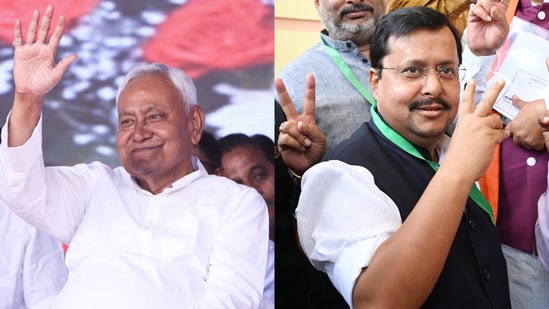
Rajya Sabha election 2026 result: Full list of winners from Bihar, Odisha and Haryana| India News
Odisha Bihar Opposition Setbacks Cross-Voting and Absences Shape Political Outcomes Key Takeaways
The political landscape in two crucial eastern Indian states, Odisha and Bihar, recently witnessed significant shifts, much to the chagrin of the opposition parties. Legislative contests in both regions, primarily involving elections to the Rajya Sabha (Upper House of Parliament) or state legislative councils, saw candidates supported by the National Democratic Alliance (NDA) secure unexpected victories. These successes were not merely a result of numerical superiority but were propelled by a combination of cross-voting by opposition legislators and the conspicuous absence of others, underscoring deeper fissures within their ranks. This outcome provides a telling glimpse into the intricate dynamics of state-level politics, revealing both the strategic acumen of the ruling coalition and the internal vulnerabilities plaguing its challengers.
The Unfolding Drama in Odisha
In Odisha, the recent Rajya Sabha elections brought to light glaring chinks in the armour of the opposition, particularly the Congress party. Despite having a designated number of votes, the party’s preferred candidate failed to secure victory, while an independent candidate, widely perceived to have NDA backing, surprisingly sailed through. Local reports and political whispers from Bhubaneswar indicated a clear pattern of legislators from the opposition bloc defying party directives. This phenomenon, known as cross-voting, means that elected representatives chose to cast their ballots for candidates outside their official party lines.
The mechanics of this playout are straightforward yet potent. In an indirect election where votes are cast by elected members of a legislative assembly, every vote counts. When a significant number of legislators either abstain or vote against their party’s official candidate, it can swing the outcome dramatically. For instance, if an opposition party has 20 MLAs and needs 15 votes for its candidate, but 5 cross-vote and 2 are absent, their candidate’s chances plummet. In Odisha’s scenario, beyond the direct cross-voting, the absence of some opposition legislators during the crucial voting process further crippled their collective strength. Whether these absences were due to genuine reasons, strategic maneuvering, or a subtle form of protest remains a subject of intense speculation among political circles in the state. What is clear, however, is that these actions directly benefited the NDA-aligned candidate, exposing a profound lack of internal discipline and coordination within the opposition. This kind of electoral outcome provides valuable insights for Omni 360 News observers tracking regional political shifts.
Bihar’s Electoral Surprises
Bihar, a state historically known for its fluid political alliances and intense electoral battles, presented a similar narrative of opposition distress. The legislative council elections there, much like the Rajya Sabha polls elsewhere, require strict adherence to party lines for a predictable outcome. Yet, reports from Patna highlighted instances where candidates supported by the NDA managed to garner more votes than their declared strength suggested, pointing directly to cross-voting from opposition camps.
The situation in Bihar often involves a complex interplay of caste equations, local strongmen, and shifting loyalties. The opposition, despite efforts to project a united front, appeared to struggle with maintaining cohesion during the secret ballot process. The absence of certain legislators further compounded their problems. In a state where every seat in legislative bodies often carries immense symbolic and strategic weight, such losses are more than just numerical setbacks; they signal a deeper erosion of trust and control within the opposition alliance. Political analysts in Bihar frequently discuss the influence of ‘antaryami’ votes (votes from within that defy party lines), and these recent outcomes provide tangible evidence of such subterranean currents at play.
Understanding the Causes and Ramifications
For a 12th-standard student trying to grasp these political events, think of it like a team game where players are supposed to support their captain’s choice for a goal, but some decide to pass the ball to the opponent, or simply stay off the field. The ‘captain’ (party leadership) then loses the game.
The phenomenon of cross-voting and legislative absenteeism in such critical elections points to several underlying issues:
1. Internal Discord and Factionalism: Often, legislators cross-vote due to dissatisfaction with their party leadership, denial of tickets in previous elections, or personal grievances. Factionalism within parties can lead members to actively work against their own party’s official candidates.
2. Strategic Maneuvering by the Ruling Coalition: The NDA, adept at political chess, often capitalizes on these internal weaknesses. They might field candidates strategically, knowing they can attract votes from disgruntled opposition members through persuasion, promises, or leveraging existing political affiliations.
3. Lack of Party Discipline: These incidents expose a worrying trend of declining party discipline. A strong whip (a party official whose job is to ensure members vote according to the party line) is essential, but if legislators are determined to defy, the party faces a significant challenge.
4. The Power of the Secret Ballot: In elections conducted via secret ballot, legislators are free to vote as they wish without immediate fear of reprisal, unlike open voting systems where their choice is visible. This privacy can encourage cross-voting.
The ramifications of these events extend beyond the immediate electoral losses. For the opposition, these incidents are a morale dampener, suggesting a lack of internal cohesion and strategic effectiveness. It raises questions about their ability to present a united front against the dominant NDA in upcoming, more significant elections, like state assembly polls or even the general elections. Such losses can also lead to finger-pointing and blame games within opposition ranks, further exacerbating their internal issues.
For the NDA, these victories, even if narrow, are significant. They demonstrate the coalition’s ability to pull off wins even without a clear numerical advantage, showcasing strategic depth and perhaps a deeper reach into the opposition’s legislative base. It reinforces their narrative of strength and resilience, while simultaneously weakening the opposition’s resolve.
Key Takeaways
The recent legislative battles in Odisha and Bihar offer stark reminders of the unpredictable nature of electoral politics at the state level.
* The opposition’s losses were directly linked to internal dissent and a failure to maintain party discipline, manifesting as cross-voting and legislator absences.
* The NDA demonstrated a clear ability to leverage these vulnerabilities, securing victories that defied conventional arithmetic.
* These outcomes underscore the ongoing challenges faced by opposition parties in fostering unity and control over their legislative members.
* The events signal potential shifts in state political dynamics, influencing future electoral strategies and alliances.
As the political landscape continues to evolve, these instances of internal sabotage and strategic exploitation will undoubtedly shape the narrative leading into future electoral contests, providing Omni 360 News readers with a deeper understanding of the ground realities of Indian democracy.





