
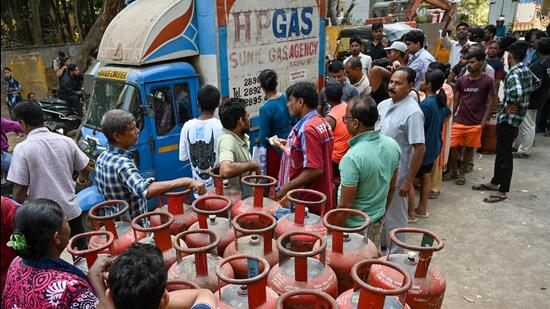
Centre says eKYC needed only for unauthenticated LPG customers| India News
India’s Clean Fuel Push Millions Gain LPG Access A Look at Ujjwala’s Reach Key Takeaways
India’s energy landscape presents a remarkable narrative of scale and ambition, particularly concerning household cooking fuel. With a staggering 330 million Liquefied Petroleum Gas, or LPG, customers, the nation demonstrates an unparalleled commitment to clean energy access. A significant portion of this immense figure, precisely 105.1 million, represents beneficiaries of the Pradhan Mantri Ujjwala Yojana, a government initiative designed to bring modern cooking solutions to the country’s most vulnerable households. This extensive reach underscores a profound shift in how millions of Indian families prepare their daily meals, moving away from traditional, often harmful, cooking methods.
For decades, many Indian homes, especially in rural and semi-urban areas, relied on biomass fuels like firewood, cow dung cakes, and agricultural waste. While seemingly economical, these methods carried a heavy toll. Cooking over open fires inside poorly ventilated homes led to severe indoor air pollution, contributing to respiratory illnesses, eye problems, and other health complications, disproportionately affecting women and children. The daily chore of collecting fuel also consumed countless hours, diverting women from education, income-generating activities, or simply leisure.
LPG, a mixture of hydrocarbons stored under pressure as a liquid, offers a cleaner, more efficient alternative. When released from the cylinder, it vaporizes into a gas, burning with a clean flame that produces minimal smoke and soot. The transition to LPG means healthier living conditions, reduced drudgery, and a general uplift in the quality of life for millions. The sheer logistical feat of connecting 330 million homes, involving an extensive network of distributors, delivery personnel, and infrastructure, is a testament to national determination.
The Pradhan Mantri Ujjwala Yojana, launched in 2016, stands as a cornerstone of this national energy transformation. Its primary objective was straightforward yet impactful: to provide free LPG connections to women from Below Poverty Line households. The scheme aims to empower women, protect their health, and contribute to environmental sustainability by encouraging the adoption of clean cooking fuel. The 105.1 million connections facilitated under Ujjwala speak volumes about its reach and the pressing need it addressed.
Local reports from various states often highlight the profound difference Ujjwala has made at the grassroots level. Accounts from villages in Uttar Pradesh and Bihar, for instance, chronicle how women, once burdened by collecting firewood for hours, now have more time to engage in small businesses, attend community meetings, or simply spend quality moments with their families. This newfound time saving is a quiet yet powerful form of empowerment. Similarly, community health workers in Rajasthan and Madhya Pradesh have reported noticeable declines in respiratory complaints among women and children in areas with high Ujjwala penetration, offering anecdotal evidence of improved public health outcomes.
Beyond the initial connection, the sustainability of LPG usage is a critical aspect. While the scheme provides the initial cylinder and stove, the affordability of subsequent refills remains a key consideration for many beneficiaries. Government subsidies and targeted campaigns aim to ensure that these households can continue to access refills, preventing a reversion to traditional fuels. Omni 360 News understands that a comprehensive view includes not just connection numbers but also sustained usage patterns and the ongoing support mechanisms.
The environmental dividends are also substantial. Reduced reliance on biomass means less deforestation and lower emissions of black carbon and other pollutants that contribute to climate change. This move aligns with India’s broader commitments to sustainable development and environmental protection.
The journey of India’s LPG sector, with its 330 million customers and 105.1 million Ujjwala beneficiaries, is more than just a story of fuel distribution; it’s a saga of social change, public health improvement, and economic empowerment. It illustrates how strategic government initiatives, coupled with robust infrastructure and widespread adoption, can profoundly reshape the daily lives of a nation.
Key Takeaways:
* Massive Scale: India boasts 330 million LPG customers, showcasing a vast expansion of clean cooking fuel access.
* Ujjwala’s Impact: The Pradhan Mantri Ujjwala Yojana has provided 105.1 million free LPG connections, primarily to women from vulnerable households.
* Health Benefits: Transition to LPG significantly reduces indoor air pollution, leading to better health outcomes, especially for women and children.
* Women’s Empowerment: Reduced time spent on fuel collection frees up women for education, economic activities, and family time.
* Environmental Gains: LPG use contributes to less deforestation and reduced harmful emissions, aligning with sustainability goals.
* Sustainability Focus: Ensuring the affordability and accessibility of LPG refills is crucial for sustained usage among beneficiaries.





