
What is India's foreign policy amid Iran-Israel war and Energy crisis
India’s Foreign Policy Crossroads Navigating The Iran Conflict And Energy Security
The intricate dance of global diplomacy often remains behind closed doors, yet its rhythm profoundly impacts the daily lives of citizens. In recent times, questions surrounding India’s foreign policy under the Narendra Modi administration have grown louder, particularly against the tumultuous backdrop of the Iran-Israel conflict. This critical juncture raises concerns that India may have veered away from a long-established, institutional foreign policy framework, instead leaning heavily on the personal rapport between Prime Minister Modi and certain global leaders. Such a shift, Omni 360 News observes, risks isolating India on the world stage or, worse, cooling relationships with long-standing allies, ultimately leaving the nation’s citizens to bear the brunt.
The Energy Crisis Echoes in Indian Kitchens
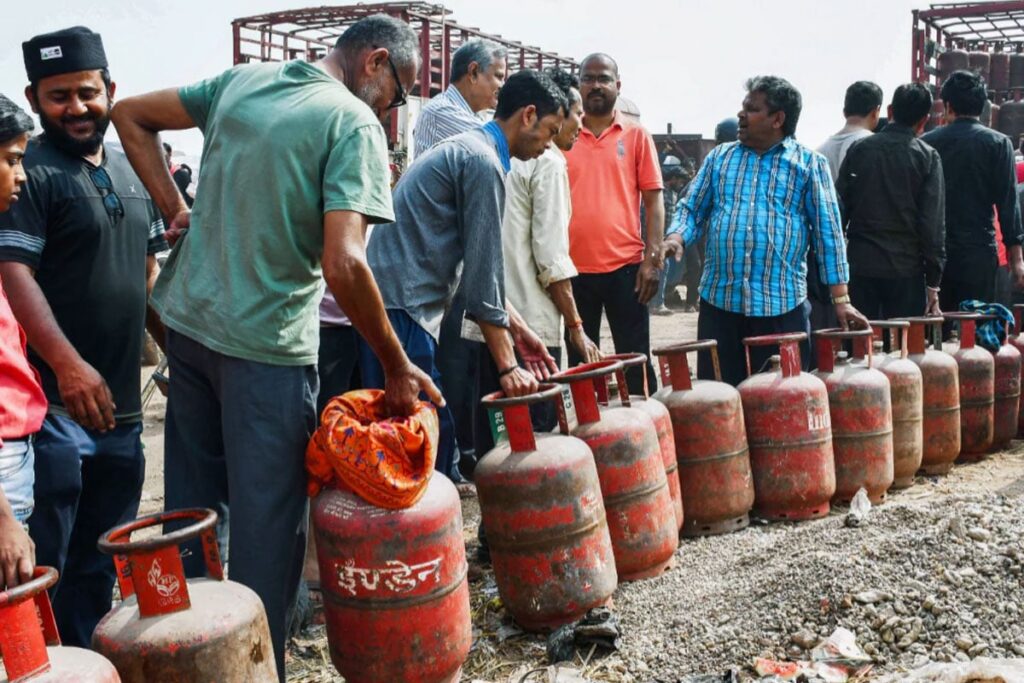
The escalating conflict between Iran and Israel has ignited a global energy crisis, with India emerging as a significant casualty. A staggering 90 percent of India’s annual gas imports and 40 percent of its crude oil imports traverse the Strait of Hormuz, a critical maritime choke point that has experienced increased tensions and disruptions from Iran. The financial burden of this insecurity is already weighing heavily on the common Indian household. Across various states, a palpable desperation for cooking gas, or LPG, is becoming commonplace.
This isn’t merely a statistic on a balance sheet; it’s a lived reality. Numerous hotels and restaurants in major cities have been forced to close their doors. Some establishments are now adding a gas price surcharge to their bills, while others resort to extraordinary measures, like offering free meals to customers who bring their own gas cylinders. Local news reports highlight stories of restaurants bartering food, such as 20 plates of momos for a single gas cylinder. The scarcity extends to essential services: hospitals are reportedly reducing meal portions for patients, temples are suspending their daily offerings, and canteens in schools, colleges, and offices face shortages of cooked food. For a significant portion of the Indian populace accustomed to freshly made rotis, this necessitates a fundamental change in dietary habits. This “new normal” evokes memories of the COVID-19 pandemic, yet unlike a natural disaster, many argue the current government cannot wholly absolve itself of responsibility for this predicament.
Strategic Foresight a Tale of Two Nations
The trajectory of the Iran conflict suggests it could be protracted, further intensifying the gas crisis and inevitably driving up petrol and diesel prices. Such increases would cascade through the economy, inflating the cost of every commodity. India’s economy has long grappled with inflationary pressures; a severe energy shock could deal a crippling blow. The financial markets have also reacted sharply; since early March, the stock market has experienced significant volatility, with foreign investors withdrawing substantial capital. Many small investors, whose livelihoods increasingly depend on market investments in an era of high unemployment, face dire consequences. The looming threat of job losses in the vast hotel and restaurant sector due to gas shortages, coupled with stock market downturns, imperils countless families.
The stark contrast with China’s situation highlights a critical difference in strategic preparedness. Despite also being heavily reliant on imported fuel, China has not yet faced a comparable energy crisis. This is largely attributed to China’s proactive strategy: before the conflict intensified, it reportedly stockpiled substantial quantities of crude oil and gas from the Gulf region. Furthermore, Iran has consistently ensured unimpeded passage for Chinese vessels through the Strait of Hormuz. India, a long-standing friend of Iran with substantial investments in Chabahar Port, might have expected similar consideration.
Diplomatic Delays and Perceived Distances
The timing of India’s diplomatic actions has also drawn scrutiny. While India observed a day of national mourning following the tragic helicopter crash that killed then-Iranian President Ebrahim Raisi in May 2024, its response to more recent, heightened tensions involving Iran has appeared less immediate or pronounced. Following the attacks in the region, which sparked global concern for Iran’s sovereignty, the government’s official statements regarding the escalating crisis took several days to materialize. Just 48 hours before the regional conflict intensified, Prime Minister Modi was reportedly seen engaging in warm personal diplomacy during a visit to Israel. Critics argue that this timing, whether intentional or not, might have deprived India of crucial intelligence or the strategic window needed to secure energy reserves, unlike China. This perceived diplomatic distance, alongside India’s initial silence, reportedly led Iran to delay clearance for Indian vessels through the Strait of Hormuz, further exacerbating India’s energy woes.
Navigating Global Pressures and Reactive Measures
India’s foreign policy has, at times, appeared to be intricately woven into the personal dynamics between Prime Minister Modi and leaders like former US President Donald Trump and Israeli Prime Minister Benjamin Netanyahu. This personalized approach has not always insulated India from global pressures. The article notes an instance where India, despite being a strategic US partner, found itself in a tight spot when the US leaned towards Pakistan during the aftermath of the Pulwama attack.
The immediate crisis has prompted a reactive scramble. Over two weeks into the conflict, India has intensified its diplomatic outreach, with Prime Minister Modi engaging in conversations with the Iranian President and External Affairs Minister S. Jaishankar holding multiple discussions with his Iranian counterpart. Ironically, the article points out that India’s growing energy dependence on Gulf nations has, in part, been an outcome of personalized diplomacy with Saudi and UAE rulers over recent years. Now, facing an urgent crisis, the central government has announced plans to diversify its energy sources, exploring procurement from Africa and Latin America—a move that appears more reactive than pre-emptive.
Ultimately, the focus on building a “Vishwa Guru” or “world leader” image through personal diplomacy, while seemingly beneficial, might inadvertently leave India without robust, consistent support from any single bloc when crises strike. When this occurs, as Omni 360 News highlights, it is the ordinary citizens who pay the highest price, often feeling the pinch directly in their kitchens.
Key Takeaways:
* India’s foreign policy under the Modi government is perceived to have shifted towards personalized diplomacy, moving away from institutional frameworks.
* The Iran-Israel conflict has triggered a severe energy crisis for India, heavily reliant on the Strait of Hormuz for gas and oil imports.
* Ordinary Indians are facing significant economic hardship, including soaring cooking gas prices, restaurant closures, and disruptions to daily life.
* China’s proactive energy stockpiling and uninterrupted passage through Hormuz stand in stark contrast to India’s situation.
* India’s diplomatic timing and perceived distance from Iran during the crisis have drawn criticism and may have led to initial shipping difficulties.
* The government is now pursuing reactive measures, including intensified diplomatic engagement with Iran and diversification of energy sources.
* The article suggests that focusing on a “Vishwa Guru” image through personalized diplomacy might leave India without full support from any bloc during crises, ultimately impacting citizens.





