
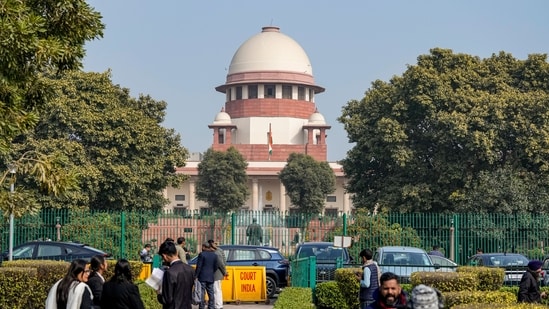
In Supreme Court, government seeks free hand in defining what is ‘industry’| India News
Shrinking the Scope The Fallout of a Limited Industry Definition on Labor Rights and Public Services Key Takeaways
The very foundation of how workers advocate for their rights in disputes could be fundamentally altered by a redefinition of what constitutes “industry.” Historically, labor laws in many nations have adopted a broad view of “industry,” encompassing not just factories and manufacturing plants, but also a vast array of institutions, including hospitals, schools, universities, charitable organizations, and numerous government-linked bodies. This expansive interpretation has ensured that employees across diverse sectors have access to formal mechanisms for resolving industrial disputes, such as conciliation, arbitration, and the right to collective bargaining. However, a growing debate centered on narrowing this definition carries significant implications, potentially excluding millions of workers from these crucial protections and reshaping the landscape of industrial relations.
Understanding the Current Framework
For decades, the concept of “industry” within labor legislation in many countries has been understood broadly to cover any systematic activity organized on employer-employee lines, involving the production or distribution of goods and services, regardless of whether profit is the motive. Think of a local government running a public bus service, a community hospital providing healthcare, or a state-funded university educating students. Under the prevailing broad definition, the employees of these entities — from bus drivers and nurses to professors and administrative staff — are generally considered “industrial workers.” This classification grants them the right to form unions, negotiate collective agreements, and, crucially, utilize established industrial dispute mechanisms if negotiations break down. These mechanisms ensure a structured process to address grievances, wage disputes, and working conditions, often preventing individual workers from being at the mercy of their employer without recourse. Local news archives across various regions often feature reports on teachers’ unions negotiating new contracts or healthcare workers striking over pay and staffing levels, all facilitated by their status within the broad “industry” definition.
The Proposal for a Narrower View
The push for a narrower definition of “industry” typically stems from arguments that essential public services, governmental functions, or non-profit activities should not be subjected to the same industrial relations frameworks as commercial enterprises. Proponents often argue that strikes in hospitals or schools can critically disrupt public life and that government bodies perform sovereign functions distinct from private industry. They suggest that these institutions are funded by taxpayers and operate under different mandates, thus requiring a separate, potentially less confrontational, dispute resolution system or even no formal industrial dispute mechanisms at all. For instance, recent legislative proposals in some jurisdictions have aimed to specifically exclude entities like educational institutions, healthcare services, and certain charitable organizations from the scope of “industry.”
Exclusion and its Far-Reaching Consequences
If such proposals gain traction, the list of bodies removed from standard industrial dispute mechanisms could be extensive. Imagine:
* Public Healthcare Facilities: Nurses, doctors, administrative staff, and support workers in government-run hospitals or clinics might lose access to industrial courts or tribunals.
* Educational Institutions: Teachers, lecturers, and non-teaching staff in public schools, colleges, and universities could find themselves outside the conventional labor dispute framework.
* Government Departments and Agencies: Civil servants, municipal workers, and employees of various public sector undertakings, from sanitation services to tax collection offices, could be affected.
* Charitable and Non-Profit Organizations: Workers in NGOs providing social services, environmental protection, or cultural programs might also be excluded.
The immediate impact on employees within these sectors would be profound. They could lose critical protections, including the right to strike, the ability to refer disputes to independent arbitrators, and the power of collective bargaining that comes with being recognized under industrial law. This shift could tilt the balance of power heavily in favor of employers, potentially leading to suppressed wages, deteriorating working conditions, and a lack of effective channels for resolving grievances. Local union bulletins and community media frequently highlight the importance of these mechanisms for maintaining fair labor practices, particularly in the public sector where budget constraints often pressure wages and benefits.
Impact on Public Services and Accountability
The ramifications extend beyond individual workers. Public services themselves could suffer. Without effective dispute resolution mechanisms, disaffected employees might have fewer avenues to voice concerns about understaffing, lack of resources, or unsafe working conditions – issues that directly impact the quality and availability of public services. For example, a local health authority might face challenges in attracting and retaining staff if workers perceive a lack of recourse for grievances, potentially leading to service degradation. Furthermore, an inability to collectively bargain effectively could lead to a less motivated workforce, ultimately diminishing the quality of education, healthcare, or essential civic functions. This scenario raises questions about public accountability and the effective delivery of services critical to communities, a topic often discussed in local town hall meetings and community forums covered by outlets like Omni 360 News.
The Core of the Debate and Key Takeaways
The debate around narrowing the definition of “industry” is fundamentally about balancing the rights of workers with the unique nature of public service and governmental operations.
* Employer Argument: Often highlights the need for uninterrupted public services, fiscal responsibility, and the distinct role of government from private enterprise.
* Worker Argument: Emphasizes universal labor rights, the need for effective dispute resolution, and the risk of creating a second-class category of workers without adequate protection.
Key Takeaways:
* A narrower definition of “industry” would exclude a vast number of public sector and non-profit employees from established industrial dispute mechanisms.
* This could strip workers in hospitals, schools, and government bodies of crucial rights, including collective bargaining and access to arbitration.
* Such a change risks shifting power significantly towards employers, potentially impacting wages, working conditions, and job security.
* The quality and continuity of essential public services could be jeopardized if workers lack effective avenues to address grievances.
* The discussion highlights a fundamental tension between perceived operational necessities of public services and the universal principles of fair labor practices.
Ultimately, the decision to redefine “industry” is not merely a legal technicality; it’s a policy choice with profound human consequences. It determines who has a voice in the workplace and how society values the labor of those who deliver its most vital services. As this discussion evolves, Omni 360 News will continue to monitor how these potential changes could reshape the lives of workers and the functioning of public institutions across communities.





