
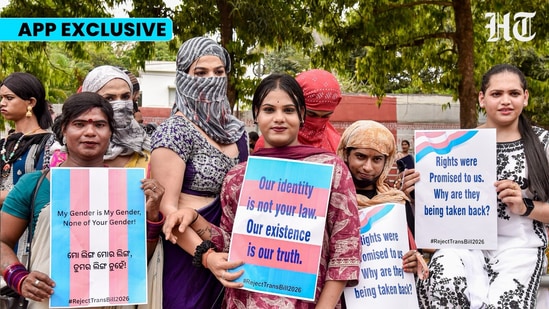
Row over Transgender Amendment Bill explained: Why are some opposed to it?| India News
New Bill Transgender Person Definition Sparks Gender Identity Debate
A proposed bill’s specific definition of a “transgender person” has ignited significant concern among activists and members of the transgender community. Across various localities, independent news reports highlight anxieties that the bill’s language could inadvertently undermine established rights and personal identity.
At the heart of the matter lies how gender identity is understood and legally recognized. Community advocates consistently argue for definitions rooted in self-identification, recognizing an individual’s internal sense of gender as paramount. They raise alarm that the current bill might lean towards a definition heavily reliant on medical criteria or assigned birth sex, which many in the community view as exclusionary and a form of gatekeeping.
Local voices, amplified through community-focused media, share apprehension that a narrow definition could invalidate their lived experiences. Many fear it could limit access to essential services, legal recognition, and protections against discrimination. The emphasis is on autonomy—the right for individuals to define themselves without needing external validation or medical diagnosis that might not align with their journey.
Such legislative phrasing, critics contend, risks creating a two-tiered system where only those fitting a specific, often medicalized, mold are fully recognized. This approach, they argue, misunderstands the diverse spectrum of gender identity and expression. The call is for legislation that truly reflects the reality of transgender lives, ensuring dignity and equal recognition for all.
Key Takeaways
- The bill’s proposed definition of “transgender person” is contentious.
- Concerns center on definitions based on self-identification versus restrictive medical or birth-assigned criteria.
- Community members fear exclusion and invalidation of their identities and rights.
- Advocates urge inclusive language developed with direct community input.
For Omni 360 News, reporting on critical community issues.





