
Russian Oil Bound for China Is Diverted as India Grabs More| India News
Russian Oil Tanker Changes Direction China to India Trade Implications
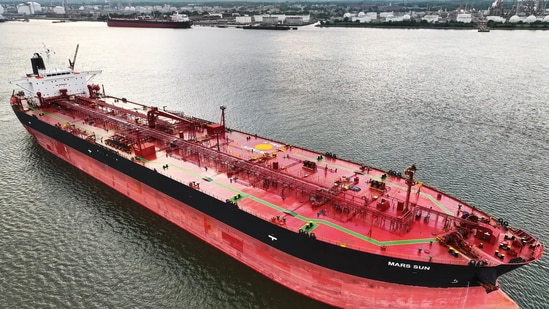
A Russian oil-laden tanker, originally charted for China, has executed an unexpected U-turn in the strategic South China Sea, now swiftly heading towards India. This maritime shift, verified by global tracking systems, offers a compelling snapshot of the fluid dynamics reshaping international energy commerce.
The dramatic rerouting highlights Russia’s ongoing efforts to adapt its crude oil exports following Western economic restrictions. India, a burgeoning economy with immense energy demands, has emerged as a crucial buyer of discounted Russian crude. This pragmatic procurement helps diversify India’s energy sources and offers cost efficiencies for its numerous refineries, ultimately influencing local fuel prices and industrial output. While China remains a primary partner for Russian energy, this specific tanker’s pivot suggests a temporary adjustment in logistical priorities or immediate demand between the two Asian giants.
For India, this development reinforces its independent energy policy, prioritizing national interests amidst complex global geopolitics. For Russia, it secures vital revenue streams, even if sales are at reduced rates. Globally, such movements signal a fundamental restructuring of traditional oil supply routes, testing the resilience of established market mechanisms and supply chain networks.
Omni 360 News closely monitors these intricate maneuvers, understanding that each tanker’s journey reflects broader geopolitical realignments and economic pressures. The evolving tapestry of energy trade underscores a world where nations constantly recalibrate strategies to ensure vital resource security. This single event speaks volumes about the pragmatic choices countries are making in a volatile market.
Key Takeaways:
* Russian oil exports seek new routes amidst sanctions.
* India secures discounted crude, boosting energy security.
* Global energy markets are actively restructuring supply chains.
* Maritime shifts reflect larger geopolitical and economic adjustments.





