
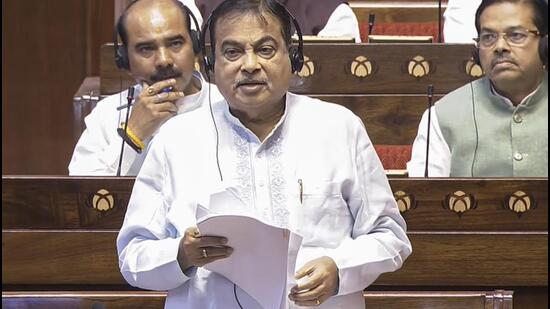
Highway construction slows; 7,211km built against 10,000 km target: Centre in RS| India News
The Easing Rhythm of India’s Road Building Efforts
For years, India’s national highways have been a symbol of rapid progress, with construction crews working tirelessly to connect the nation. However, recent data points to a noticeable deceleration in this crucial pace, prompting questions about the trajectory of the country’s infrastructure ambitions. Omni 360 News delves into the figures and ground realities behind this shift.
The daily average pace of road construction has now fallen to 21.5 kilometers. This marks a significant drop from the 29.21 kilometers per day recorded in the 2024-25 fiscal year’s initial targets, and a stark contrast to the robust 33.83 kilometers per day achieved in the preceding 2023-24 fiscal year. Such a dip is more than just numbers on a spreadsheet; it signals potential headwinds for a sector vital to economic growth and regional connectivity.
To understand this trend, it is important to remember what these numbers represent. The kilometers per day metric reflects how much new or upgraded road length is being added across the nation’s vast network. A higher number means faster progress in connecting remote areas, improving logistics for businesses, and making travel smoother for everyday citizens. When this pace slows, it can lead to project delays, increased costs, and deferred benefits for the communities awaiting better connectivity.
Several factors appear to be contributing to this easing rhythm. Local reports from various states frequently highlight persistent challenges that can bring even well-planned projects to a crawl. One of the most frequently cited hurdles remains land acquisition. While government efforts have aimed to streamline this process, complexities at the local level, including disputes over compensation and resettlement, often lead to prolonged negotiations and project stoppages. A road cannot be built if the land beneath it isn’t fully cleared, and these issues resonate from small villages in Uttar Pradesh to bustling industrial corridors in Gujarat.
Beyond land, environmental and forest clearances also pose significant delays. Projects traversing ecologically sensitive areas often require multiple layers of approval, a process that, while necessary for sustainable development, can add months or even years to a timeline. Local activists and communities, often supported by regional environmental groups, sometimes raise legitimate concerns, leading to re-evaluations and design changes.
The unforgiving Indian monsoon season is another perennial factor. Extended or unusually heavy rains across states like Maharashtra, Kerala, and the northeastern region can halt construction work for weeks, washing away progress and delaying earthwork. This directly impacts the daily average, as unproductive days pull down the overall speed.
Furthermore, economic factors play a role. Fluctuations in the cost of essential raw materials such as cement, steel, and bitumen, combined with the availability of skilled and unskilled labor, can affect project timelines and budgets. Local contractors, particularly in smaller towns and districts, often face these pressures directly, sometimes leading to slower work rates or even temporary suspensions until better terms or materials become available. Some local reports also suggest a potential shift in focus from merely adding length to more complex endeavors like widening existing roads, constructing intricate flyovers, tunnels, or specialized bridges. These projects, while enhancing quality and capacity, naturally progress at a slower linear pace than simple greenfield road construction.
For citizens, this slowdown means waiting longer for promised infrastructure improvements. Businesses might continue to grapple with less efficient transport routes, impacting supply chains and operational costs. For regions heavily reliant on improved road networks for trade, tourism, or agricultural produce transportation, the prolonged wait can translate into missed economic opportunities.
While the government continues to underscore its commitment to infrastructure development, addressing the multifaceted challenges at the local level will be crucial. Swift and fair land acquisition, streamlined clearances, and stable policy environments are key to reigniting the momentum witnessed in previous years.
Key Takeaways:
* The daily pace of road construction has significantly declined to 21.5 km, from a high of 33.83 km in 2023-24 and a target of 29.21 km for 2024-25.
* This slowdown is influenced by persistent local issues like land acquisition disputes and delays in environmental clearances.
* Seasonal monsoons, fluctuations in raw material costs, and labor availability also contribute to the reduced pace.
* A potential shift towards more complex construction projects, which inherently take longer per kilometer, might also be a factor.
* The decline impacts local economies, transportation efficiency, and the timely realization of developmental benefits for communities across India.
The path ahead requires not just ambitious targets but a deeper understanding and proactive resolution of the ground-level obstacles. The nation watches as efforts are made to regain the rapid rhythm of development.





