
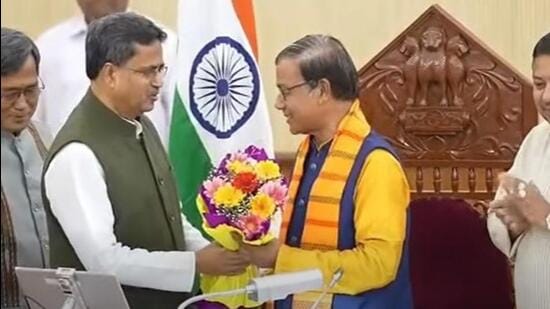
Two-time MLA Rampada Jamatia takes over as Tripura assembly speaker| India News
Tripura’s Assembly Marks Return of Indigenous Speaker Role Key Takeaways
A significant moment has unfolded in Tripura’s political landscape, as a leader from the Jamatia community has assumed the pivotal role of Speaker in the state’s legislative assembly. This development marks a historic milestone, positioning this individual as only the second indigenous leader to hold this esteemed post since Left Front veteran Sudhanya Debbarma pioneered the path in 1978. This appointment underscores a renewed emphasis on diverse representation within Tripura’s governance structures.
Sudhanya Debbarma, a respected figure from the tribal community, set a powerful precedent decades ago when he took the Speaker’s chair. His tenure in 1978 was a landmark event, signifying early efforts toward inclusive indigenous participation in the state’s highest legislative office. The intervening decades have seen various shifts in Tripura’s political dynamics, yet the aspiration for greater indigenous leadership representation has remained a consistent theme.
The ascension of a leader from the Jamatia community to this influential position carries immense symbolic weight for the state. It provides a stronger and more direct voice for Tripura’s rich and diverse indigenous communities, ensuring their unique perspectives and concerns are more intimately woven into the fabric of the legislative process and policy-making. This move is widely regarded as a substantial stride towards fostering greater equity, recognition, and empowerment for the tribal populations, who constitute a vital part of Tripura’s social and cultural identity.
For Omni 360 News, this historical event highlights the ongoing evolution of democratic representation in India’s northeastern region. It signifies a clear commitment to mirroring the state’s unique demographic composition within its most critical legislative offices. This shift in leadership is expected to encourage broader civic participation and effectively bridge some of the historical gaps in representation that have long been a focal point of discussions around inclusive governance. The emphasis on local leadership from indigenous communities reinforces the democratic principles of voice and representation for all sections of society.
Key Takeaways:
* A leader from the Jamatia community has become only the second indigenous Speaker of the Tripura Assembly.
* This follows the pioneering tenure of Sudhanya Debbarma, who held the post in 1978.
* The appointment represents a significant milestone for indigenous representation within Tripura’s state governance.
* It strengthens the voice and inclusion of tribal communities in legislative discussions and decision-making processes.





