
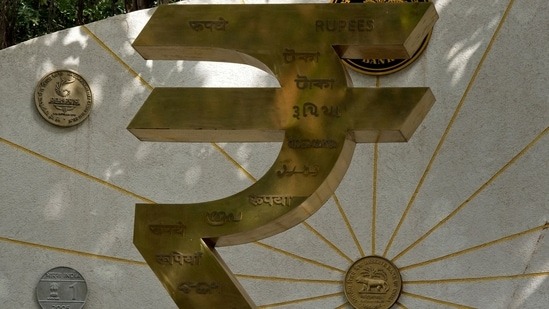
Rupee breaches 93 against USD for the first time amid Iran 'war'| India News
Local Unit Weakens Past 93 Mark Against Greenback
The interbank foreign exchange market saw a significant moment recently as the local unit crossed a new threshold against the US Dollar, often called the greenback. Opening at 92.92, the local currency quickly breached the 93-mark for the first time, trading at 93.08. This movement, while seemingly small, signals underlying economic shifts that ripple through daily life for citizens and businesses alike. Omni 360 News brings you a breakdown of what this means.
Understanding the Exchange Rate Shift
Imagine you want to buy something from another country. You need their currency. The exchange rate tells you how much of your local money you need to get one unit of their money. When the local unit “weakens” or “depreciates” against the greenback, it means you now need more of your local currency to buy one US Dollar. For a 12th standard student, think of it like this: if a dollar used to cost 92.92 units of your currency, and now it costs 93.08 units, your local money has become less valuable relative to the dollar. It’s like needing more small candies to trade for one big candy.
Why Did This Happen?
Such movements are rarely due to a single cause. Several factors could contribute. On the global stage, a strong US economy or anticipated interest rate hikes by the US Federal Reserve can make the dollar more attractive to investors, increasing its demand and value. Locally, factors like a growing trade deficit (meaning the country imports more than it exports, leading to higher demand for foreign currency), slowing economic growth, political uncertainty, or specific central bank policies can put pressure on the local unit. Sometimes, it’s just market sentiment, where traders anticipate future economic conditions and adjust their positions accordingly. Local news sources often highlight specific domestic challenges, such as energy import bills or fluctuating commodity prices, which directly influence the demand for foreign currency.
Impact on Daily Life and Businesses
A weaker local unit has tangible consequences:
* Imports Become More Expensive: If your country imports goods like oil, electronics, or raw materials, they will now cost more in local currency. This can lead to higher prices for consumers, contributing to inflation.
* Exports Become Cheaper: On the flip side, local goods sold abroad become relatively cheaper for international buyers, potentially boosting exports and helping local businesses that sell overseas. However, if these exporters rely on imported components, their costs also rise.
* Travel and Education Abroad: For those planning foreign travel or overseas education, expenses in dollars (or other major currencies) will increase significantly.
* Remittances: For families receiving money from relatives working abroad in dollars, a weaker local unit means they will receive more local currency for the same dollar amount, which can be a small relief.
* Debt Servicing: Businesses or the government with dollar-denominated loans will find it more expensive to repay them, as more local currency is needed to buy the required dollars.
Looking Ahead
Central banks often monitor these fluctuations closely. They might intervene by selling dollars from their reserves to strengthen the local unit or adjust interest rates to manage inflation or attract foreign investment. However, such interventions are often temporary fixes, and long-term stability requires addressing the underlying economic fundamentals.
Key Takeaways:
* The local unit has depreciated, now requiring over 93 units to purchase one US Dollar.
* This shift indicates a change in economic balance, driven by both global and local factors.
* It likely means higher costs for imported goods and foreign travel.
* The situation underscores the need for sound economic policies to stabilize the currency.
This development highlights the interconnectedness of global and local economies. Keeping an eye on these indicators is crucial for understanding the economic landscape.





