
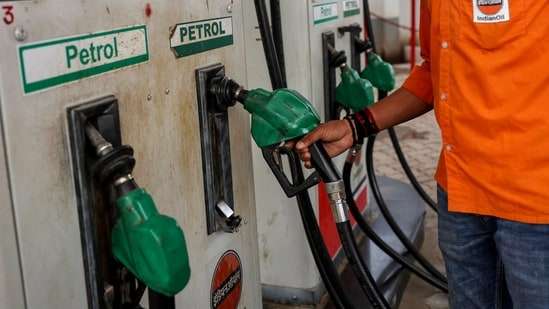
Premium petrol prices hiked by ₹2 in India, normal petrol rate unchanged| India News
Premium Fuel Prices Climb Impacting Commuters and Businesses
Today’s announcement marks a notable shift at the fuel pumps, with prices for premium petrol brands like BPCL’s Speed, HPCL’s Power, and IOCL’s XP95 seeing an increase ranging from ₹2.09 to ₹2.35 per litre. This adjustment comes as a direct hit to consumers who opt for these higher-octane fuels, often chosen for performance benefits or specific vehicle requirements. Omni 360 News has been tracking the ripple effects of such changes on everyday life and local economies.
For many, fuel prices are a constant concern, influencing monthly budgets and operational costs for businesses. When premium fuels, specifically, see such an uptick, it often signals broader pressures within the energy market. Let us delve into what this means and its potential impact.
Understanding Premium Fuels and Their Appeal
For those unfamiliar, premium petrol like Speed, Power, or XP95 are essentially higher-octane versions of regular unleaded fuel. Octane rating indicates a fuel’s resistance to “knocking” or “pinging” in an engine, which can lead to damage over time. While most standard vehicles run perfectly well on regular petrol, certain high-performance cars, luxury vehicles, or even some motorcycles are designed to perform optimally with higher-octane fuel. Owners often choose these for better engine longevity, smoother performance, and sometimes, a perceived increase in mileage.
The companies involved, Bharat Petroleum Corporation Limited (BPCL), Hindustan Petroleum Corporation Limited (HPCL), and Indian Oil Corporation Limited (IOCL), are the pillars of India’s fuel distribution network. Their pricing decisions, even on specific products, send signals throughout the market.
Why the Price Adjustment?
Fuel prices are a complex interplay of several factors, making them volatile and subject to frequent changes. To simplify for a 12th standard student, think of it like this: the raw material, crude oil, is bought from international markets. Its price depends on global supply and demand, political stability in oil-producing regions, and even currency exchange rates. Once crude oil reaches India, it is refined into petrol and diesel. Then, the government adds various taxes – central excise duty and state Value Added Tax (VAT) – which form a significant portion of the final price. Finally, there are transportation costs, dealer commissions, and operational expenses for the fuel stations. The current increase likely stems from a combination of these elements, perhaps a rise in international crude oil benchmarks, or an adjustment in refining or distribution costs specific to these premium blends. Local news reports sometimes indicate slight variations in state-level taxes also contributing to the final retail price.
Immediate Impact on Consumers and Businesses
The immediate effect of this hike is felt directly by vehicle owners who prefer these premium fuels. A jump of over two rupees per litre, while seemingly small, accumulates quickly for those who fill their tanks regularly. For example, a vehicle with a 40-litre tank will now cost approximately ₹80-₹95 more per fill-up.
Small businesses, particularly those relying on delivery fleets or executive transport that might use premium vehicles, will also see their operational expenses increase. Tour operators, car rental services catering to higher-end segments, and even individual taxi owners whose vehicles might perform better on premium fuel, will face squeezed margins or be compelled to pass on the increased cost to their customers. This can contribute to a broader inflationary pressure, where the cost of goods and services that rely on transportation subtly rises.
Reports from local markets indicate a sense of resignation among commuters. “It’s a never-ending cycle,” commented a driver in a regional daily, reflecting the common sentiment. “We absorb these costs because we have no alternative for our daily commute or business.” This underlines the inelastic demand for fuel – people need to travel, regardless of the price.
Key Takeaways from the Premium Fuel Price Hike
1. Direct Financial Strain: Owners of vehicles requiring or preferring premium fuels will bear an immediate, additional financial burden.
2. Ripple Effect on Services: Businesses that use premium vehicles for operations will likely see increased costs, potentially impacting service charges or profitability.
3. Indicator of Broader Trends: While specific to premium blends, this price adjustment can sometimes signal underlying pressures in the global oil market or domestic pricing structures, affecting regular fuel prices in the future.
4. Focus on Efficiency: The continuous rise in fuel costs pushes consumers and businesses to look for more fuel-efficient vehicles or alternative transportation methods.
5. Ongoing Monitoring Essential: Omni 360 News will continue to monitor how these price changes affect consumer spending patterns and the broader economy, bringing you timely updates.
This latest adjustment in premium petrol prices serves as a reminder of the dynamic nature of energy costs and their pervasive influence on daily economic life. As the situation evolves, Omni 360 News remains committed to providing clear, fact-based reporting on issues that matter to your wallet and your community.





