
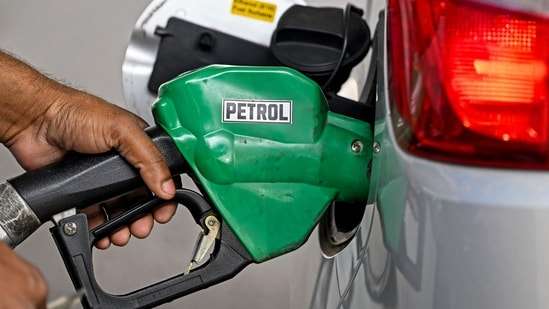
Petrol diesel price today: Check state-wise March 20 petrol and diesel price| India News
Fuel Prices Shift Premium Petrol Up ₹2 Regular Fuel Holds Steady Key Insights for Drivers
Motorists across the nation observed a notable adjustment in fuel pricing this past Friday. While the rates for standard petrol and diesel remained unchanged, oil marketing companies implemented a ₹2 per litre increase specifically on premium grade petrol. This targeted hike has sparked conversations among vehicle owners and industry observers alike, prompting a closer look at the intricate mechanisms that govern fuel costs in India. Omni 360 News delves into the details, explaining what this means for the everyday driver and the broader market.
Understanding the Nuance Premium Versus Regular Fuel
For many, petrol is simply petrol. However, there’s a distinct difference between regular (or standard) petrol and its premium counterpart. Regular petrol, the one most vehicles use, meets the basic octane requirements for the majority of engines on the road. Premium petrol, often branded with names like ‘Power,’ ‘Speed,’ or ‘XtraGreen,’ boasts a higher octane rating and sometimes contains special additives designed to improve engine performance, cleanliness, and efficiency.
Vehicles with high-performance engines, particularly luxury cars or those designed for specific driving conditions, often recommend or require premium fuel. The higher octane rating helps prevent ‘knocking’ or ‘pinging’ in these engines, ensuring smoother operation and better power delivery. While some believe premium fuel offers universal benefits, for most standard vehicles, using it over regular petrol might not yield significant tangible improvements, yet it comes at a higher price point. This latest ₹2 hike now widens that price gap further, making the choice between the two an even more financially conscious decision for those who opt for the premium variant.
The Complex Web of Fuel Pricing Factors
To grasp why premium petrol saw an increase while regular fuel did not, it’s essential to understand the multifaceted factors that determine fuel prices at the pump. These aren’t just arbitrary numbers set by companies; they are a result of a dynamic interplay of global and domestic economic forces.
Firstly, global crude oil prices are the foundation. India imports a significant portion of its crude oil requirements. Fluctuations in international crude benchmarks, driven by geopolitical events, supply-demand dynamics from major oil-producing nations like OPEC, or even global economic forecasts, directly impact the cost for Indian oil companies.
Secondly, the Rupee-Dollar exchange rate plays a critical role. Since crude oil is traded in US Dollars, a weakening Rupee makes imports more expensive, even if global crude prices remain stable.
Thirdly, various taxes and duties are levied by both the central and state governments. The central government imposes excise duty, while state governments levy Value Added Tax (VAT). These taxes contribute significantly to the final retail price, often making up a substantial portion of what consumers pay. Local reports from various district chambers of commerce often highlight how varying state VAT rates lead to differing fuel prices across states, even for the same grade of fuel.
Fourthly, dealer commissions contribute to the final price. These are the margins paid to petrol pump owners for their operational costs and profits. Lastly, the Oil Marketing Companies (OMCs) themselves factor in their operational costs, refining costs, transportation, and a profit margin. Their pricing decisions are also influenced by market competition and inventory levels.
The specific hike in premium petrol suggests that OMCs might be adjusting for increased input costs related to the additives, higher refining processes, or perhaps a strategic decision based on the demand elasticity for premium products, where consumers might be less price-sensitive compared to those buying regular fuel.
Impact on Consumers and Local Markets
For the vast majority of motorists who use regular petrol and diesel, Friday’s announcement brought a sense of relief, as their daily commuting and transportation costs remained stable. This stability is crucial for household budgets and also for commercial transport, which heavily relies on diesel, keeping freight costs—and consequently, the prices of everyday goods—from immediate upward pressure.
However, for the niche segment of consumers using premium petrol, the ₹2 hike translates to an immediate increase in their running costs. Local fuel station managers across cities, from suburban kiosks to bustling urban pumps, reported queries from customers about the differential pricing. “We explain that premium fuel has always been priced differently, and these adjustments are part of the OMCs’ decisions,” noted a station manager in an industrial belt, reflecting common sentiment. For owners of luxury sedans or high-performance motorcycles, this marginal increase, while noticeable, is often considered a part of maintaining their specific vehicles.
Regional transport associations, while not directly impacted by the premium petrol hike, consistently monitor fuel prices as a whole. They understand that any increase, even a targeted one, sets a precedent and reflects broader market trends that could eventually affect all fuel types. This careful observation underscores the interconnectedness of fuel pricing across different grades.
The Road Ahead For Fuel Prices
Predicting future fuel price movements is complex, given the multitude of variables at play. Global crude oil markets remain volatile, influenced by geopolitical tensions, production cuts by major oil exporters, and the pace of global economic recovery. Domestically, government policy on excise duties and state VAT rates can shift, impacting consumer prices directly.
For now, the targeted increase on premium petrol indicates a strategic move by OMCs, possibly aimed at recovering specific costs or recalibrating margins within distinct market segments. Regular fuel prices holding steady offers a momentary respite for the broader consumer base, but the underlying factors that drive fuel costs remain dynamic. Omni 360 News will continue to monitor these developments, providing timely analysis and insights.
Key Insights for Drivers
* Premium Fuel Sees Specific Rise: Only premium petrol grades increased by ₹2 per litre; regular petrol and diesel prices are unchanged.
* Premium Fuel Defined: Higher octane, often with additives, typically for high-performance engines, differing from standard petrol.
* Complex Pricing Factors: Global crude oil prices, exchange rates, central and state taxes, dealer commissions, and OMC decisions all contribute to final prices.
* Limited Consumer Impact: The hike primarily affects a smaller segment of motorists who opt for premium fuel, leaving daily commuters and commercial transport largely unaffected by this specific change.
* Ongoing Vigilance: Fuel prices remain susceptible to global market shifts and domestic economic policies, necessitating continuous observation.





