
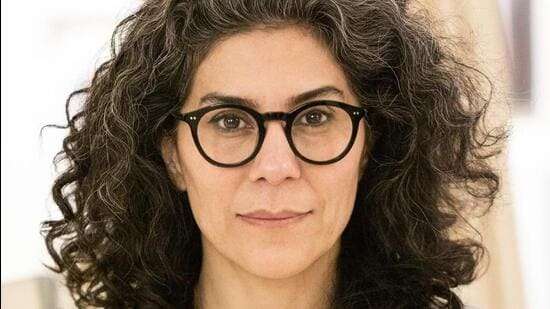
Situation in Iran is not only political, it is deeply human: Exiled filmmaker Mahnaz Mohammadi| India News
Mahnaz Mohammadi’s IFFK Protest Echoes Iran’s Fight for Freedom Omni 360 News
The vibrant atmosphere of the International Film Festival of Kerala (IFFK) 2022, usually a celebration of cinematic art and diverse narratives, became a powerful global stage for an act of profound symbolic defiance. Iranian filmmaker Mahnaz Mohammadi, a voice often stifled in her homeland, utilized this international platform to highlight the escalating struggle for fundamental rights in Iran, specifically drawing attention to the compulsory hijab laws and the burgeoning “Women, Life, Freedom” movement. Her silent, yet potent, protest resonated deeply, transcending geographical boundaries and speaking volumes about the human spirit’s unwavering demand for liberty.
A Silent Act with a Resounding Message
During the screening of her film, “Bahman’s Life,” at the festival, the audience witnessed a poignant moment. Ms. Mohammadi, unable to attend in person due to travel restrictions imposed by Iranian authorities, had sent a representative to read a statement on her behalf. However, it was the accompanying gesture that truly captivated attention and ignited conversations. A woman on stage, acting as Ms. Mohammadi’s proxy, dramatically cut a lock of her hair, holding aloft a pair of scissors—a direct and unmistakable homage to the acts of protest seen across Iran. This simple yet powerful demonstration instantly connected the artistic expression on screen with the very real, often brutal, realities faced by women in Iran. The act became a visual metaphor for the ongoing resistance, a quiet roar against oppression that echoed through the festival halls and beyond, reaching global audiences following the festival coverage.
Understanding the “Women, Life, Freedom” Movement
To fully grasp the significance of Ms. Mohammadi’s protest, it is crucial to understand the context of the “Women, Life, Freedom” movement. This powerful slogan, now chanted by millions, became a rallying cry following the tragic death of Mahsa Amini in September 2022. A young woman, Amini was arrested by Iran’s morality police for allegedly violating strict hijab rules and subsequently died in custody. Her death ignited widespread protests across the nation, fueled by decades of simmering resentment against the oppressive laws that govern women’s lives in Iran.
At its core, the movement is a multifaceted demand for basic human rights and dignity. It calls for an end to the compulsory hijab, a symbol of state control over women’s bodies and choices. Beyond this, it encapsulates a broader struggle for freedom of expression, political reform, and an end to systemic discrimination. Imagine a world where what you wear, how you speak, or even how you move in public could lead to arrest or worse—that is the reality many in Iran face. The “Women, Life, Freedom” movement represents a collective uprising against this suppression, a courageous push for a future where individuals, especially women, can live without fear and dictate their own lives.
Mahnaz Mohammadi’s History of Defiance
Mahnaz Mohammadi is no stranger to personal sacrifice for her artistic and political convictions. Her journey as a filmmaker has been marked by persistent challenges, including arrests, harassment, and travel bans imposed by Iranian authorities. Her work often delves into the lives of marginalized women and children in Iran, giving voice to those silenced by the state. This personal history of resilience lends immense weight and authenticity to her symbolic act at IFFK. It was not merely an artist making a statement, but a survivor of the very system she was protesting, using her international platform to amplify the pleas of countless others. Her film “Bahman’s Life,” much like her other works, subtly critiques societal norms and governmental restrictions, often through compelling narratives that resonate with universal themes of struggle and hope.
IFFK A Global Megaphone
The IFFK, hosted in the culturally rich state of Kerala, India, served as an ideal backdrop for such a protest. India, a vibrant democracy with a thriving film industry and a history of advocating for freedom of expression, provided a safe and respected space for Ms. Mohammadi’s message to be heard without immediate repercussions. International film festivals are not just venues for showcasing cinematic brilliance; they are vital platforms for cultural exchange, critical discourse, and often, political solidarity. The artistic community often stands at the forefront of human rights advocacy, and IFFK’s embrace of Ms. Mohammadi’s protest underscored the global interconnectedness of artistic freedom and human rights. Local news outlets in Kerala, often deeply engaged with cultural events, played a crucial role in reporting on this significant moment, bringing it to a broader regional audience and further amplifying its impact.
Global Solidarity and Enduring Impact
Mahnaz Mohammadi’s protest at IFFK 2022 was not an isolated incident but part of a larger wave of global solidarity for the Iranian people. Similar acts of hair-cutting demonstrations and public support have been witnessed in cities across the world, from Paris to New York. These collective actions highlight a shared understanding that human rights are universal and that the struggle for freedom in one corner of the world impacts us all. The protest served as a stark reminder that even amidst celebrations of art, the critical issues of human dignity and freedom must never be forgotten.
The symbolic act at IFFK, reported widely by Omni 360 News and other reputable outlets, underscored the unwavering spirit of resistance within Iran and the power of international platforms to bring critical issues to the global forefront. It was a poignant reminder that while cameras capture stories, they also bear witness to unfolding history and the courageous individuals shaping it.
Key Takeaways:
* Mahnaz Mohammadi’s symbolic hair-cutting protest at IFFK 2022 highlighted the dire situation in Iran.
* The protest was an act of solidarity with the “Women, Life, Freedom” movement, ignited by Mahsa Amini’s death.
* The movement demands an end to compulsory hijab and greater human rights for women in Iran.
* Mohammadi, a celebrated filmmaker with a history of challenging Iranian authorities, used her voice from afar.
* International film festivals like IFFK provide crucial platforms for global advocacy and solidarity against oppression.
Conclusion
The echo of scissors cutting hair at IFFK 2022 continues to resonate, a testament to the enduring courage of individuals like Mahnaz Mohammadi and the collective resolve of the Iranian people. It served as a powerful declaration that art is not separate from life, but an intrinsic part of it, capable of reflecting, questioning, and ultimately, inspiring change in the face of injustice. The global stage of IFFK, through this singular act of protest, became a beacon of hope and a platform for voices demanding freedom and fundamental human dignity.





