
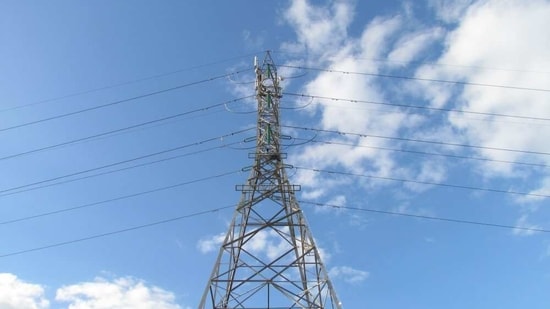
Govt says West Asia crisis to have 'minimal impact' on India's power supply, activating backup| India News
Expanding Power Grid Government Addresses Rising Electricity Demand with New Capacity and Imported Coal
The nation’s energy landscape is witnessing a significant push for expansion, as the government moves to fortify its power infrastructure against escalating consumption. Power Secretary Pankaj Agarwal recently affirmed plans to integrate additional power capacity, a strategy that notably includes increased reliance on generation fueled by imported coal. This strategic shift underscores a broader effort to ensure a stable and uninterrupted electricity supply for homes and industries across the country, a core focus of Omni 360 News coverage.
The imperative for this rapid capacity addition stems from a confluence of factors. Economic growth, particularly in manufacturing and services, fuels a persistent surge in industrial power usage. Urbanization continues apace, bringing more households into the grid, each requiring power for daily life. Furthermore, shifting climate patterns have led to more extreme weather events, driving up demand for air conditioning in summers and heating in winters, placing unprecedented strain on existing power grids. Local reports from states like Uttar Pradesh and Maharashtra have frequently highlighted the challenges of maintaining supply during peak demand periods, especially when agricultural demand also peaks.
Why the Turn to Imported Coal?
While the country possesses substantial domestic coal reserves, the decision to supplement with imported coal generation reflects a pragmatic approach to immediate energy security. Domestic coal production, though increasing, sometimes faces logistical bottlenecks in transportation or quality variations that can impact power plant efficiency. Imported coal, often with higher calorific value, can enhance the output of thermal power plants and provide a reliable, albeit more costly, supply stream. This move is not without its complexities; local communities in coastal regions, for instance, have seen discussions around expanded port infrastructure and logistics for handling larger volumes of foreign coal, bringing with it both economic opportunities and environmental considerations related to dust and transportation impact.
Power plants strategically located near major ports are particularly poised to benefit from easier access to imported fuel. This geographical advantage can translate into more consistent operations, reducing the likelihood of power shortages in their respective service areas. However, the reliance on international markets for coal introduces elements of price volatility and geopolitical risks, factors closely monitored by energy economists and government planners alike.
A Broader Energy Mix on the Horizon
It is crucial to understand that imported coal is but one facet of a multi-pronged strategy. The government’s push for energy security also encompasses substantial investments in renewable energy sources, including solar and wind power. Projects spanning vast stretches of Rajasthan’s deserts and Gujarat’s coastline continue to add significant green capacity. Hydroelectric projects, though facing longer gestation periods, remain vital. Nuclear power, with its stable base load capacity, is also part of the long-term vision. The aim is to achieve a balanced energy portfolio that minimizes risk and ensures reliability.
However, integrating diverse sources presents its own set of challenges, particularly concerning grid stability. The intermittent nature of renewables necessitates robust grid management systems and energy storage solutions, areas where local utilities and state governments are actively experimenting with pilot projects. Reports from regional power distribution companies often detail the intricacies of balancing generation from traditional thermal plants with fluctuating solar and wind inputs.
Local Impact and Community Dialogue
The expansion of power infrastructure directly affects local communities. For residents near proposed new power plants or transmission lines, the discussions often revolve around land acquisition, environmental safeguards, and potential employment opportunities. Local councils and citizen groups frequently engage with project developers and authorities, seeking assurances on air quality, water usage, and the overall ecological footprint. For instance, recent public consultations in Odisha regarding a proposed thermal plant expansion focused heavily on emissions control technologies and ash disposal methods.
The financial implications are also significant. While increased power availability can spur local industrial growth, the cost of generation, especially from imported coal, can influence electricity tariffs. Regulatory bodies at the state level play a critical role in balancing the need for cost recovery with the imperative of affordable power for consumers, particularly for agricultural users and low-income households.
Key Takeaways
* The government is actively increasing national power capacity to meet escalating demand.
* Imported coal generation forms a crucial, albeit supplementary, part of this immediate strategy.
* Driving factors for rising demand include economic growth, urbanization, and climate-induced consumption spikes.
* The strategy involves a broader energy mix, including significant investments in renewables and other domestic sources.
* Local communities and economies are directly impacted by these infrastructure developments, necessitating careful planning and engagement.
* Ensuring energy security, affordability, and environmental sustainability remains a complex balancing act for policymakers.
As the nation progresses, the quest for a resilient and sustainable energy future remains a top priority. The current measures, including the strategic use of imported coal, represent a tactical response to immediate demands, while the long-term trajectory points towards a diversified and greener energy portfolio. This ongoing dialogue between supply and demand will continue to shape the country’s economic and environmental landscape, a development Omni 360 News will continue to follow closely.





