
As jet fuel spikes, govt removes airfare caps imposed after December cancellation mess| India News
Government Lifts Domestic Airfare Cap Post IndiGo Crisis Key Takeaways
The government has officially removed the temporary cap on domestic airfares, a measure initially implemented in the wake of the significant flight disruptions faced by IndiGo in December 2025. This decision signals a return to dynamic pricing for airlines, allowing carriers to set fares based on market demand and operational costs. The cap, which aimed to prevent excessive price surges during a period of widespread inconvenience, was a direct response to a crisis that left thousands of travelers stranded and impacted regional travel connectivity.
Background of the December 2025 IndiGo Disruption
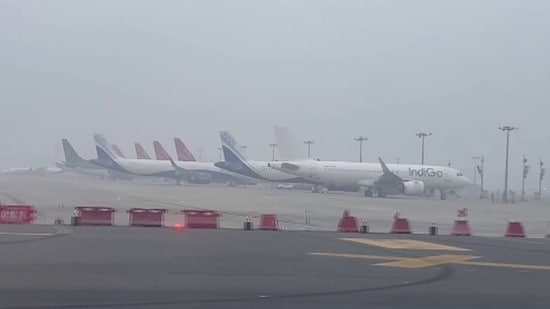
December 2025 saw unprecedented operational chaos for IndiGo, one of the nation’s largest carriers. A confluence of factors, including severe winter fog across northern hubs, unexpected staff shortages due to a sudden illness outbreak, and critical aircraft maintenance backlogs, led to a cascade of flight cancellations and prolonged delays. Local news outlets from cities like Lucknow, Patna, and Jaipur reported harrowing tales of passengers stuck for over 24 hours, struggling to find alternative travel arrangements, and facing skyrocketing prices for the few available seats on other airlines. The disruption was not just an inconvenience; it crippled local economies dependent on swift air travel for business and tourism, highlighting vulnerabilities in the nation’s air infrastructure.
In response to widespread public outcry and concerns over exploitative pricing, the Ministry of Civil Aviation stepped in. A temporary cap was placed on domestic airfares, particularly for routes most affected by the IndiGo crisis, to ensure affordability and prevent price gouging by opportunistic carriers. This intervention was seen as a necessary, albeit temporary, measure to stabilize the market and protect consumers during an emergency.
Government’s Rationale for Lifting the Cap
The decision to withdraw the cap comes after careful assessment of the current air travel landscape. Sources within the Civil Aviation Ministry indicate that the market has largely stabilized since the December 2025 crisis. IndiGo has reportedly addressed its operational deficiencies, invested in robust contingency planning, and replenished its staff, leading to a significant improvement in on-time performance and reduction in cancellations.
“The temporary fare cap served its purpose during a period of acute distress,” stated a ministry spokesperson in a recent briefing. “Its continued enforcement was beginning to stifle market dynamics and potentially impact airline profitability and future investment in fleet expansion and service improvements. We believe the industry is now robust enough to operate without direct price controls.”
The government’s move aligns with a broader philosophy of minimal market intervention, allowing competition among airlines to naturally regulate pricing. This approach is expected to encourage efficiency and innovation within the aviation sector, ultimately benefiting consumers in the long run through improved services and competitive offerings.
Impact on Airlines and the Aviation Sector
For airlines, the removal of the fare cap represents a return to a more flexible pricing model. Carriers can now adjust ticket prices based on various factors, including demand, seat availability, time of booking, and operational costs. This flexibility is crucial for airlines to manage revenue, especially during peak seasons or for popular routes. Industry analysts, like those featured on Omni 360 News, suggest that while this could lead to higher fares during periods of high demand, it also empowers airlines to offer competitive deals during off-peak times, stimulating travel.
Local carriers, which previously expressed concerns that the cap squeezed their margins and hindered their ability to absorb rising fuel costs, are likely to welcome this development. It offers them greater financial autonomy and the ability to strategize their pricing for optimal profitability and sustainability. However, the onus remains on airlines to maintain operational resilience and passenger satisfaction to avoid future governmental interventions.
Implications for Domestic Air Travelers
For the average domestic traveler, the lifting of the cap means a return to variable ticket prices. While the immediate aftermath of the IndiGo crisis saw prices artificially constrained, travelers will now experience dynamic pricing where fares can fluctuate significantly. This implies that booking early, especially for popular routes and high-demand travel dates, will become even more critical to secure favorable fares. Last-minute bookings, particularly during holidays, major events, or unexpected surges in demand, could see substantially higher prices as airlines respond to market forces.
Consumer advocacy groups, while understanding the necessity of market-driven pricing for airline sustainability, urge travelers to remain vigilant. “While the cap was a short-term relief, travelers must now be more proactive than ever,” advised a representative from a consumer rights forum in a discussion with Omni 360 News. “It’s essential to compare prices across different airlines and booking platforms, be flexible with travel dates if possible, and promptly report any instances of fare hikes that appear unreasonable or not justified by prevailing market conditions. The healthy competitive landscape among carriers is expected to prevent runaway price increases, as airlines continuously vie for passenger loyalty and market share.” This competitive environment should ideally translate into better deals and promotions for informed travelers.
Looking Ahead for Domestic Air Travel
The government’s withdrawal of the temporary airfare cap marks a crucial step in normalizing the domestic aviation sector after a challenging period. It underscores a fundamental belief in the industry’s ability to self-regulate and respond effectively to market dynamics. While the memory of the December 2025 disruptions serves as a stark reminder of the fragility of air travel systems and the need for robust contingency planning, this move signals a push towards fostering a more competitive, resilient, and ultimately consumer-centric air travel environment. The focus now shifts squarely to airlines to demonstrate not only responsible pricing strategies but also an unwavering commitment to operational excellence, ensuring that such widespread crises remain isolated incidents. For the passenger, the emphasis will be on informed choices, making travel planning a more strategic exercise. This dynamic interplay between market forces and consumer awareness will define the future trajectory of domestic air travel.
Key Takeaways:
* Government intervention ends: The temporary domestic airfare cap, imposed after the December 2025 IndiGo flight disruptions, has been removed.
* Market stabilization cited: The decision reflects the government’s view that the air travel market has stabilized and airlines have addressed operational issues.
* Return to dynamic pricing: Airlines can now set fares based on demand, supply, and operational costs, potentially leading to varied prices for travelers.
* Impact on airlines: Greater flexibility in revenue management, but continued pressure for operational efficiency and competitive pricing.
* Impact on travelers: Consumers must be proactive in booking to find better fares; last-minute travel may incur higher costs.
* Future outlook: Emphasizes trust in market competition and airline responsibility to maintain service standards and fair pricing.





