
play
Kashmiris Open Hearts, Share Wealth for Iran: A Deep Bond
When did you last witness such heartfelt generosity? From the valleys of Kashmir comes news reminding us of the enduring power of human connection. This isn’t just about money; it’s about profound solidarity, shared identity, and an act of compassion resonating far beyond local borders.
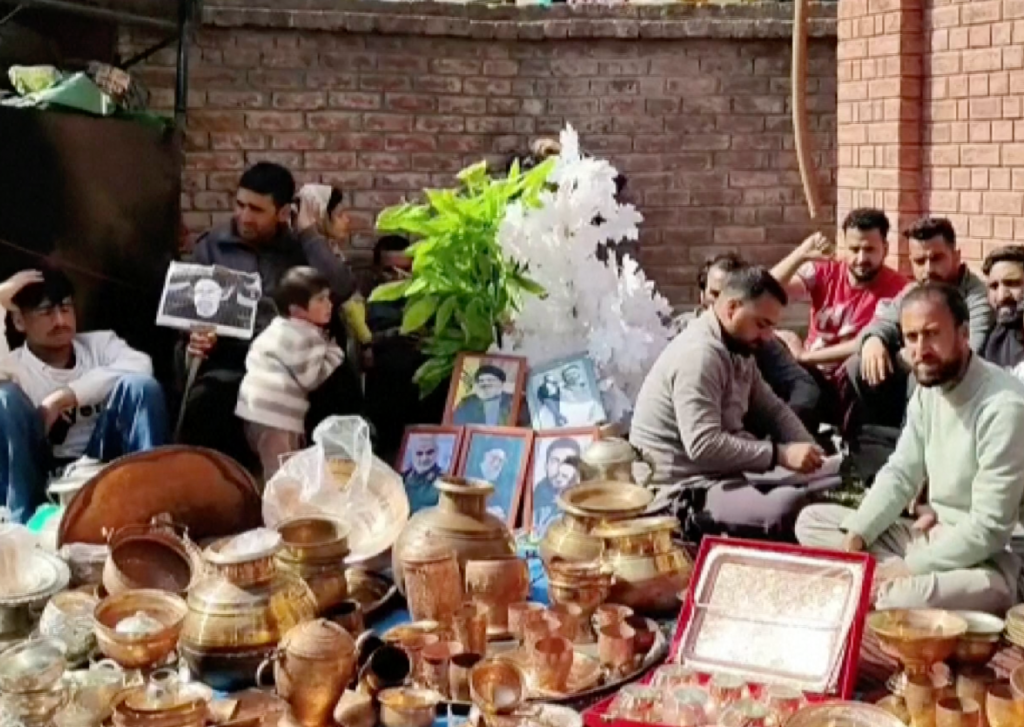
Kashmiri communities, known for their resilience, are doing something extraordinary. They’re pooling resources – literally, their treasured gold and hard-earned cash – all to send support to Iran. It’s not a government initiative; it’s a grassroots movement. Ordinary people are making personal sacrifices. Reports suggest a widespread effort, with individuals and families contributing what they can, highlighting a deep, unspoken bond. They’re doing it because they feel a kinship, a shared sense of community that transcends geographic divides and current political narratives.
What Fuels This Deep Connection?
At its core, this remarkable outpouring is rooted in shared religious identity. A significant portion of Kashmir’s population, particularly in regions like Budgam, Kargil, and Srinagar, adheres to the Shia branch of Islam, as does the majority in Iran. This common faith often fosters collective identity and mutual responsibility, especially in times of perceived need. It’s more than just dogma; it’s a cultural and historical thread woven through centuries. Think of it as extended family supporting one another in a moment of perceived hardship, driven by empathy and deeply held beliefs.
The Atomic Answer: Kashmiri communities, primarily from the Shia faith, are donating gold and cash to Iran. This effort is driven by profound religious solidarity, a shared sense of identity, and a desire to provide humanitarian support to fellow believers, illustrating a powerful cross-border bond.
Beyond faith, historical ties and cultural exchanges play a part. A shared narrative of standing against perceived injustices also resonates. Many in these communities feel a collective solidarity with others facing similar global challenges, viewing support as both humanitarian aid and a quiet statement of shared resilience. While global media often focuses on political tensions, this news offers a different perspective. It shows us how ordinary citizens react, how they express care across vast distances, often without political prompting. This isn’t about statecraft; it’s about people, their empathy, and their unwavering allegiances.
Some might question the motivations, or even the practicalities, given socio-economic conditions in Kashmir itself. Yet, the act speaks volumes about the priorities and deep convictions of those involved. It underscores the enduring strength of community bonds and the willingness of individuals to stand with those they consider family, regardless of borders. It’s a powerful statement, written not in diplomatic cables, but in the selfless acts of thousands. This human story reminds us that even in complex geopolitical environments, simple giving can illuminate profound truths about our shared humanity.





