
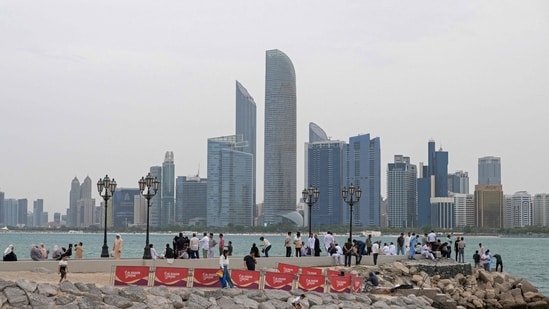
Indian national injured in Abu Dhabi after ballistic missile debris falls in Al Shawamekh| India News
Indian Lives Lost Amidst Middle East Unrest A Deepening Concern For Families And Workers
The escalating tensions across parts of the Middle East continue to cast a long shadow, and the human cost is tragically evident, even for those far from the immediate front lines. Latest reports confirm that six Indian nationals have lost their lives in the ongoing crisis, a grim reminder of the profound risks faced by millions of expatriate workers in the region. The recent death of an Indian citizen in Saudi Arabia, the first reported casualty from the Kingdom in this current wave of unrest, underscores the widening reach of instability and the mounting anxiety among the Indian diaspora. Omni 360 News has been closely monitoring the unfolding situation, tracking the personal stories behind the statistics and the broader implications for families back home.
The Middle East has long been a vital destination for Indian workers seeking economic opportunities, with millions contributing significantly to various sectors across the Gulf and beyond. These individuals often leave behind entire families, with their remittances forming the backbone of many households in India. While the region generally offers stable work environments, periodic geopolitical shifts and conflicts can quickly turn routine assignments into perilous situations. The current crisis, characterized by sporadic but intense flare-ups, has tragically claimed the lives of individuals who were simply striving to secure a better future for their loved ones.
Details emerging from various community channels and local reports indicate the profound grief engulfing families across different Indian states. Each casualty represents a unique story of aspiration cut short, a void left in a home. The recent death in Saudi Arabia, while details remain sparse out of respect for the family’s privacy, has particularly sent ripples of concern. Saudi Arabia, historically a comparatively stable employer for Indian migrant workers, now finds itself touched by the broader regional volatility. This incident serves as a stark warning that no part of the region is entirely immune from the ripple effects of the wider crisis, highlighting the unpredictable nature of the current climate.
Indian diplomatic missions in the region have been working tirelessly, often under challenging circumstances, to provide assistance, repatriate remains, and offer support to the affected families. The Ministry of External Affairs in India has consistently issued advisories, urging Indian nationals in particularly volatile areas to exercise extreme caution and, where necessary, consider returning home. These advisories are not just bureaucratic notices; they are earnest pleas aimed at safeguarding lives. For many workers, however, the decision to leave is fraught with financial anxieties, weighing the immediate danger against the long-term well-being of their families dependent on their earnings. This dilemma is a painful reality for countless individuals who are the sole breadwinners.
The stories from villages and towns in India, particularly from states with high emigration rates to the Middle East, reveal communities grappling with unimaginable grief. When a worker loses their life abroad, it’s not just an individual tragedy; it’s a community-wide sorrow. Local news outlets often highlight the economic devastation that follows, as families lose their primary source of income, pushing them back into cycles of poverty they had hoped to escape. The support systems, both formal from the government and informal within communities, become crucial during these trying times. Efforts to ensure that the remains are repatriated with dignity and that the families receive due compensation are ongoing, reflecting a collective commitment to those who contribute so much to the nation’s economy through their hard work abroad.
This situation also brings to the forefront the broader vulnerabilities faced by migrant workers in conflict zones. Often, they are among the most exposed, with limited access to immediate protection or evacuation resources. Their presence in these regions is not driven by political affiliations but by sheer economic necessity, making their plight all the more poignant. Understanding these vulnerabilities is crucial for developing more robust support mechanisms and preventative measures.
Key Takeaways:
- Six Indian nationals have tragically lost their lives amidst the ongoing Middle East crisis, a sobering reminder of the human cost of regional instability.
- The recent fatality in Saudi Arabia marks a significant development, indicating the broader and unpredictable reach of the crisis beyond traditional flashpoints.
- Indian diplomatic missions are actively engaged in assisting affected families and repatriating remains, while also issuing crucial safety advisories for citizens abroad.
- The personal stories of loss highlight the immense economic and emotional impact on families back in India, who depend heavily on remittances.
- This situation underscores the critical need for Indian workers in the region to remain vigilant, adhere to official advisories, and stay informed through reliable sources like Omni 360 News regarding local safety conditions.
As the Middle East navigates its complex challenges, the safety and well-being of Indian citizens working there remain a paramount concern for both the government and their families. It is a stark reminder that behind every statistic of conflict, there are individual lives, dreams, and families forever altered. Continued vigilance, timely information dissemination, and robust support systems are essential to mitigate further tragedies and protect the vibrant Indian diaspora contributing globally.





