
play
War’s Shadow Hits Manila: An Energy Emergency Declared
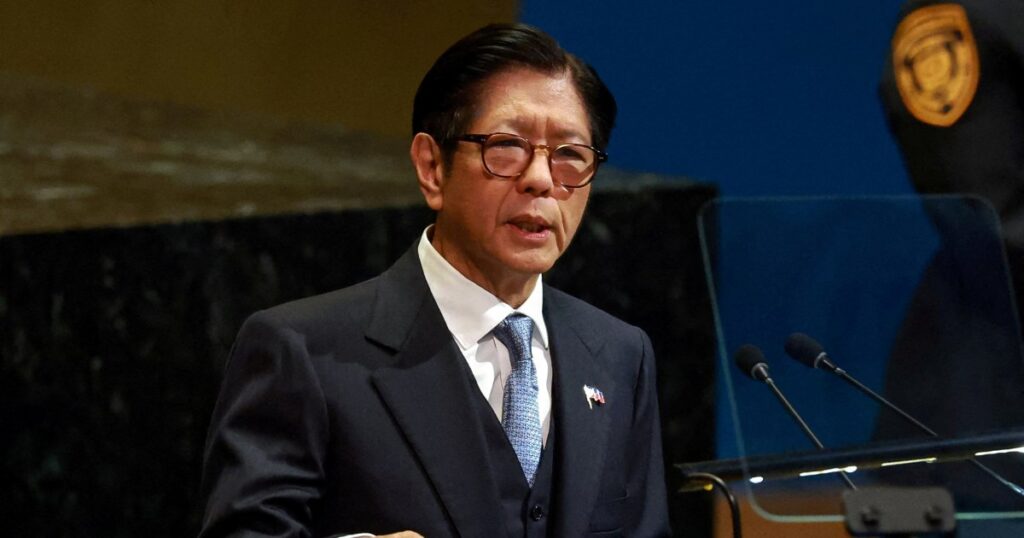
Power outages. Higher bills. Millions in the Philippines are bracing for a difficult period. President Ferdinand Marcos Jr. just called an energy emergency, a stark warning echoing across the archipelago. This isn’t just a distant war anymore; its economic fallout is knocking on our doors, threatening the very stability of daily life. It’s a harsh reminder of how deeply global events can ripple all the way home, impacting every household and business.
The presidential declaration grants the government special powers. They can now redirect critical resources, manage fuel supply, and even impose rationing if the situation demands it. This move comes directly from the escalating conflict between Iran and its regional adversaries. Global oil prices are soaring, pushing upward for weeks, and countries like the Philippines, which relies heavily on imported fuel, feel the pinch immediately. Increased energy costs don’t stay isolated; they affect everything from transport and manufacturing to the price of your groceries and your home’s air conditioning. It’s a nasty domino effect no one wants, and it’s already started.
Is Manila ready for this shock?
The Philippine President has declared a nationwide energy emergency. This critical decision responds to the volatile global energy market, specifically surging oil prices from the escalating conflict in Iran. Its goal: mitigate supply disruptions, stabilize domestic energy costs, and safeguard the nation’s economy and citizens from geopolitical instability.
This isn’t just about asking people to turn off a few lights; it’s about exposing fundamental vulnerabilities. For years, we’ve talked about energy independence, about diversifying our sources. We’ve known our reliance on external fossil fuels leaves us exposed to every tremor on the global stage. Now, that exposure isn’t just theoretical; it’s a raw, throbbing nerve. The government isn’t simply reacting; they’re trying to prevent a deeper economic and social crisis. What does this emergency mean for our long-term energy planning? For the push towards renewables? This isn’t just a temporary measure; it’s a flashing red light for our entire energy strategy. It’s a call to rethink where our power comes from, and to do it with urgency. Dependence, as we’re all seeing, comes at a truly steep price, and the bill is arriving now.





