
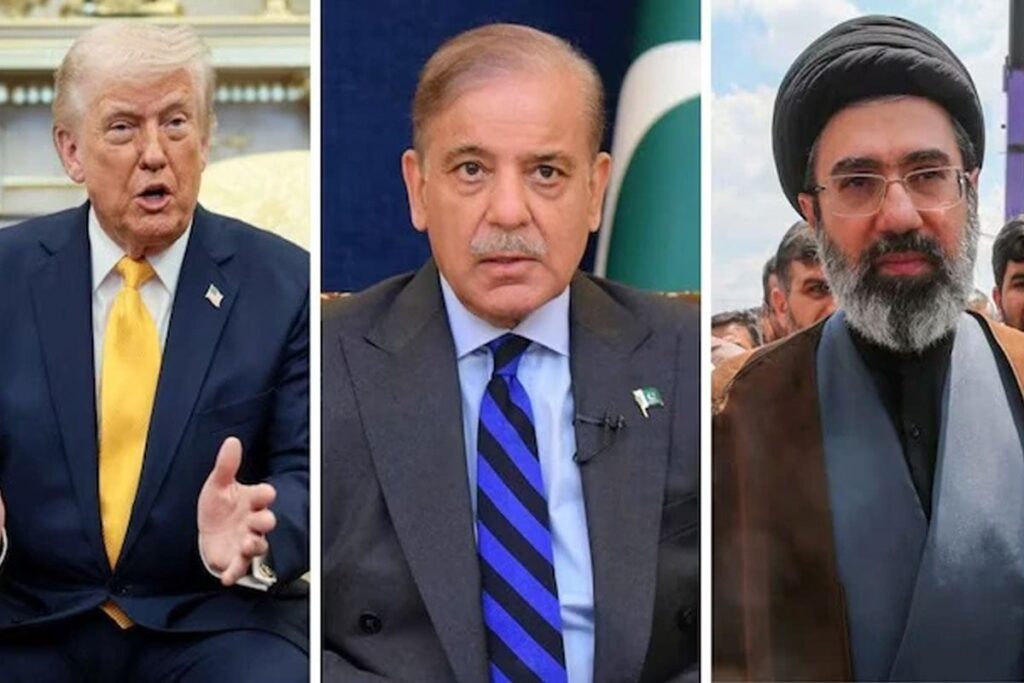
Pakistan offers to host talks to end US Iran Conflict
In a diplomatic maneuver that has surprised many seasoned observers of West Asian geopolitics, Pakistan has seemingly stepped into the crucial role of an intermediary between the United States and Iran. This development comes on the heels of a tense 26-day period marked by fierce conflict, with Washington now laying out specific conditions for a potential ceasefire. Reports indicate that Islamabad acted as the conduit for delivering these critical proposals from the White House to Tehran, positioning itself as a central player in de-escalating regional tensions.
Pakistan Emerges as Bridge Builder Between America and Iran
The strategic landscape of the Middle East, already volatile, appears to have shifted with Pakistan’s proactive engagement. Sources close to the diplomatic circles suggest that the administration of President Donald Trump presented a 15-point list of conditions to Iran, aimed at achieving a cessation of hostilities. It was the Shahbaz Sharif government in Islamabad that reportedly facilitated the transmission of these demands to Iranian officials. This places Pakistan, a nation with historical ties to both the US and Iran, at the heart of sensitive negotiations.
For weeks, the conflict between America and Iran has cast a long shadow over the region, raising fears of a broader confrontation. Amidst this backdrop, the sudden prominence of Pakistan as a facilitator of dialogue is a significant turn. It is understood that Islamabad has been instrumental in enabling communication channels between the two estranged nations, allowing for the exchange of messages and, crucially, the US ceasefire proposals. The possibility of face-to-face discussions between American and Iranian representatives on Pakistani soil has even been floated by Pakistan’s Prime Minister himself.
Trump’s Diplomatic Overture and Pakistan’s Role
President Trump has consistently maintained that discussions with Iran are ongoing, even amidst heightened tensions. Earlier this week, he publicly stated that Iran had sent a “big gift,” suggesting a willingness on Tehran’s part to pursue a ceasefire. The US President further indicated that “the right people” were involved in these negotiations. It is in this context that the 15-point conditions have emerged, reportedly encompassing demands such as the dismantling of Iran’s nuclear capabilities and a cessation of any new efforts to develop atomic weapons. The critical question remains whether Iran will accept these stipulations, and if a lasting ceasefire can indeed be forged.
Adding weight to Pakistan’s burgeoning role, Prime Minister Shahbaz Sharif recently took to social media, declaring Islamabad’s readiness to host a meeting to resolve the conflict. His post explicitly stated Pakistan’s desire to organize talks if both America and Iran were amenable to finding a resolution to their differences. This public declaration was not merely speculative. President Trump himself amplified Sharif’s message by re-posting it, a move widely interpreted as an endorsement of Pakistan’s mediating efforts and an implicit acceptance of Islamabad as a neutral venue for potential dialogue.
Challenges and Skepticism Surrounding the Conditions
Despite the apparent momentum towards de-escalation, military experts and geopolitical analysts express considerable skepticism regarding Iran’s willingness to accept all 15 conditions laid out by the US. Many of these demands, particularly those related to the dismantling of nuclear capabilities and refraining from developing new atomic weapons, were precisely the points of contention that initially fueled the conflict. Tehran has historically viewed its nuclear program as a matter of national sovereignty and security, making any significant concessions on this front politically challenging.
Analysts suggest that Iran’s leadership might view certain conditions as an infringement on its strategic autonomy and a capitulation to US pressure. The initial refusal to adhere to similar demands was, in essence, the catalyst for the prolonged period of confrontation. Therefore, while the offer of mediation is a positive step, the substance of the conditions themselves presents a formidable hurdle to any lasting peace agreement. The coming days will reveal whether both sides can find common ground that respects their core interests while defusing the immediate threat of further conflict.
Geopolitical Implications for Regional Powers
The emergence of Pakistan as a key mediator carries significant geopolitical ramifications, particularly for nations like India. As a traditional friend to both the United States and Iran, India finds itself in a diplomatically delicate position. Islamabad’s proactive mediation effort, though aimed at fostering peace, could inadvertently create diplomatic discomfort for New Delhi. By stepping in as a bridge-builder, Pakistan seeks to enhance its own strategic relevance and leverage with both Washington and Tehran.
For India, which values its independent foreign policy and strong ties with both sides, any perceived shift in regional influence could necessitate a careful recalibration of its diplomatic strategy. The development highlights the intricate web of alliances and rivalries that define West Asian politics and underscores the dynamic nature of international relations. The role of Omni 360 News is to continuously monitor these evolving dynamics, providing comprehensive insights into how regional powers navigate such complex diplomatic terrain.
Key Takeaways
- Pakistan has emerged as a significant intermediary between the United States and Iran in their ongoing conflict.
- Islamabad reportedly delivered a 15-point list of ceasefire conditions from the US to Iran.
- Prime Minister Shahbaz Sharif offered to host peace talks, a proposal endorsed by US President Donald Trump.
- Expert analysis suggests Iran may find it challenging to accept all US conditions, especially those related to nuclear capabilities, as these were core issues leading to the conflict.
- Pakistan’s mediation efforts could have complex diplomatic implications for regional powers, including India.





