
play
Washington Says ‘Hold Up’ on AI Data Centers
The future feels like it’s sprinting ahead, doesn’t it? One minute we’re marveling at artificial intelligence’s clever tricks, the next we’re staring at a government brake pedal. This isn’t just about silicon and servers; it’s about control, responsibility, and whether we’re ready for the sheer power we’re building. A crucial conversation is finally starting, forcing us to ask: are we building something amazing, or just something too big for its britches?
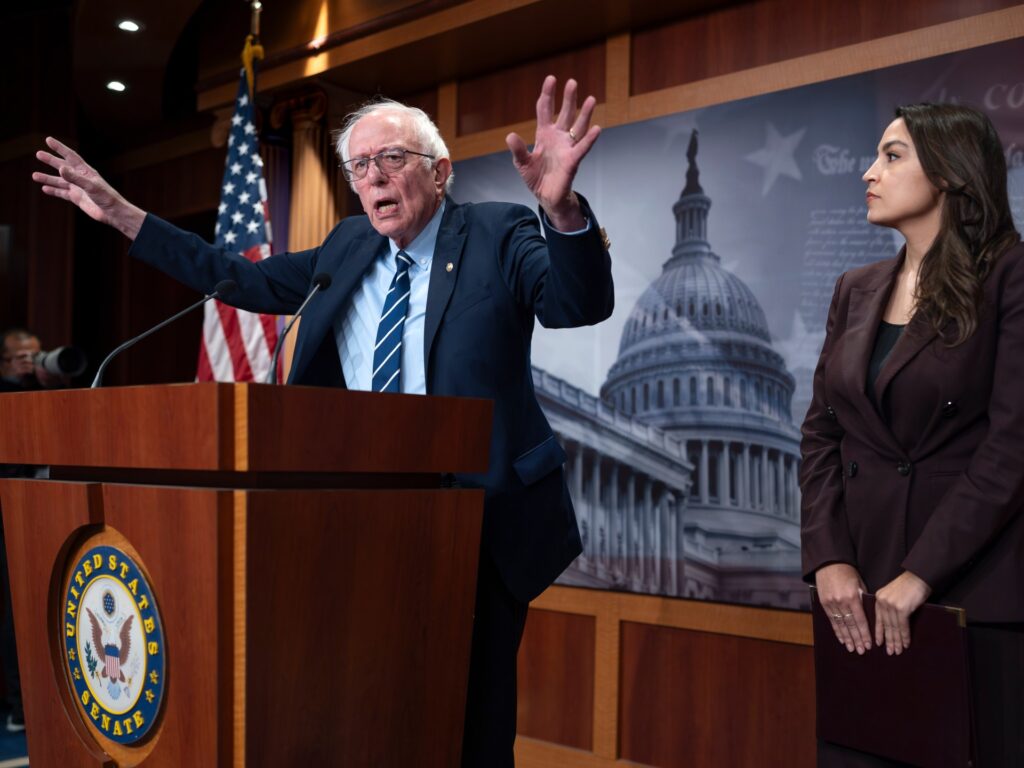
Turns out, some folks in Washington are looking nervously at the accelerating pace of AI development. They’re not just whispering either; they’re pushing for a serious pause. The ask? A moratorium on new data centers—the very engine rooms for all this AI progress—until we’ve got serious safeguards in place. It’s less about stopping innovation entirely and more about asking, ‘Hey, is anyone actually driving this thing safely?’ They want to ensure our systems can handle the societal, ethical, and environmental fallout without breaking us.
Who’s Actually Driving This AI Train?
What’s actually happening here is simple: Lawmakers are worried. They’ve watched AI transform industries, rewrite job descriptions, and gobble up absurd amounts of energy. From the sheer electrical demand of these mega-facilities to the thorny ethical questions around data privacy and algorithmic bias, there’s a growing unease. Is anyone thinking long-term? This isn’t just about preventing bad actors; it’s about building a future we can all live with, rather than one dictated by lines of code we barely understand. It’s a critical moment for reflection, not just reaction. Let’s make sure we’re shaping tomorrow, not just hurtling towards it blindly.
US lawmakers are calling for a temporary halt on new data center construction. The move stems from deep concerns about the rapid, largely unregulated expansion of AI. They demand comprehensive safeguards addressing ethical implications, energy consumption, and societal impacts before further expansion proceeds. It’s about pausing to assess AI’s true cost.





