
play
Bushehr Strike: A Dangerous Spark Ignites a Powder Keg
Another day, another unsettling headline from a region already simmering. For anyone watching the Middle East, the news today feels like a cold shiver down the spine. It’s not just about distant politics; it’s about the very real potential for a conflict that could pull us all in, directly or indirectly. The stakes couldn’t be higher, and frankly, the patience for brinkmanship is wearing thin globally. This isn’t just news; it’s a warning.
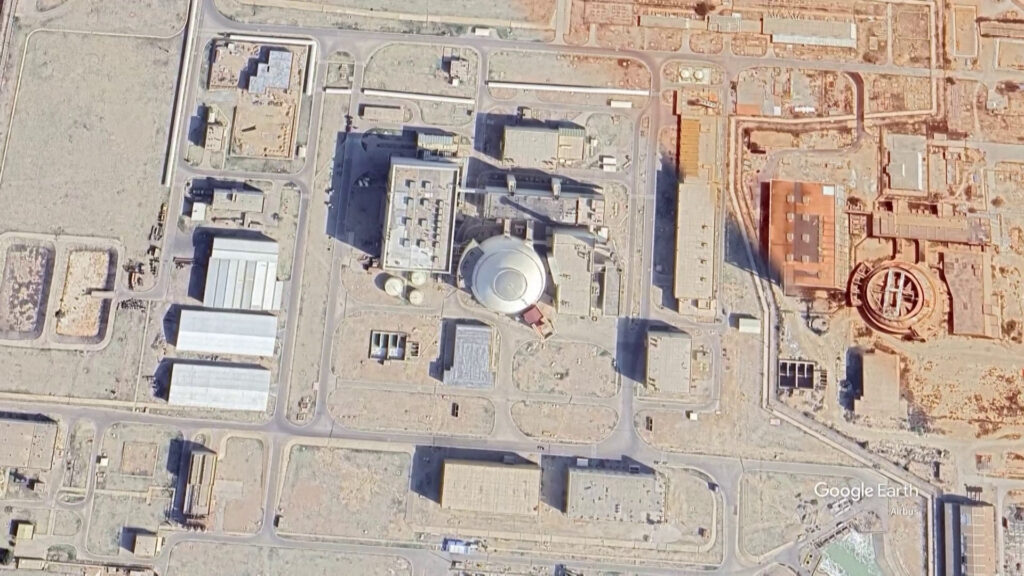
Today, Russia didn’t just express concern; it slammed what it calls a ‘second US-Israeli strike’ against Iran’s Bushehr nuclear reactor. Moscow’s statement, sharp and unequivocal, highlights a worrying pattern. This isn’t a solitary incident; it’s reportedly the second time in recent memory that such an attack has occurred. We’re talking about a facility that’s been under international monitoring, and the implications of repeated strikes aren’t lost on anyone. It’s a direct challenge, and frankly, it feels like a dangerous escalation in an already volatile situation. Details are still murky, but the message from the Kremlin is clear: they’re not happy, and they’re making sure everyone knows it.
The Atomic Answer: Russia strongly condemned a second alleged US-Israeli strike on Iran’s Bushehr nuclear reactor. The accusation highlights escalating tensions surrounding Iran’s nuclear facilities. Moscow views these actions as dangerous provocations, risking broader instability in an already volatile Middle East.
Is This a Calculated Risk or a Reckless Gamble?
What’s actually happening here is simple: a dangerous game of chicken. On one side, you have nations seemingly determined to disrupt what they perceive as a threat to regional stability – Iran’s nuclear program. On the other, a sovereign nation whose facilities are being targeted, and a major power, Russia, now vocalizing its displeasure. This isn’t just about a reactor; it’s about a fragile balance of power, constantly tested. When a significant player like Russia ‘slams’ an action, it’s not just diplomatic posturing. It’s a clear signal that red lines are being crossed, and the consequences could ripple far beyond the immediate target zone. Think about it: repeated strikes on a nuclear site, even one allegedly civilian, raise serious questions about international law and the threshold for conflict. Is this meant to deter, or simply inflame? History teaches us that such actions rarely resolve underlying issues; they often just make them worse.





