
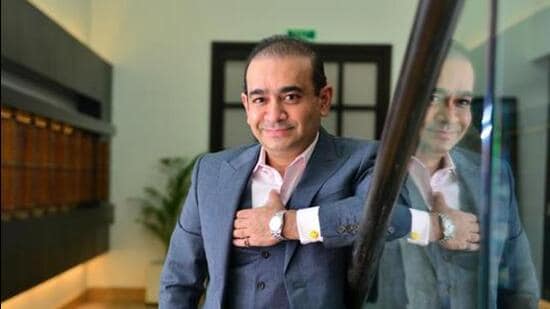
UK court leans on India’s assurances, denies Nirav Modi fresh shot at extradition| India News
UK Court Backs Nirav Modi Extradition Path India’s Assurances Found Credible
The protracted legal battle involving Nirav Modi, the prominent diamond merchant accused of defrauding the state-owned Punjab National Bank, has reached another pivotal point. A UK High Court has recently denied Modi’s application for a fresh appeal against his extradition to India, a decision heavily influenced by the detailed and reassuring commitments provided by the Indian government regarding his treatment and care upon return. This development, closely watched by observers seeking accountability in high-profile financial crime cases, marks a significant stride in India’s persistent global efforts to bring economic fugitives to justice. Omni 360 News brings you an in-depth look at this crucial legal turn.
The High Court’s Latest Verdict
In a ruling delivered on a Friday, the UK High Court found no “arguable point of law” that would warrant granting Nirav Modi permission for a new appeal. This decision effectively upholds the previous judgments by lower courts, including the Westminster Magistrates’ Court and a prior High Court ruling, which had already deemed Modi extraditable. The core of the court’s consideration revolved around assurances from the Indian government, particularly concerning Modi’s well-being and the conditions under which he would be held in an Indian prison.
Modi’s legal team had consistently challenged his extradition on various grounds, primarily focusing on his deteriorating mental health, specifically depression and alleged suicidal ideation, and the perceived inadequacy of Indian prison conditions to address these concerns. However, the UK judiciary, after thorough deliberation, concluded that the comprehensive guarantees offered by India were sufficient to mitigate these risks and ensure compliance with human rights obligations.
Robust Assurances from Indian Authorities
The Indian government presented a detailed set of assurances to the UK courts, which played a decisive role in the High Court’s latest ruling. These commitments included specific plans for Modi’s detention at Barrack 12 in Mumbai’s Arthur Road Jail, a facility that has undergone significant upgrades and is designated to meet international standards for the housing of high-profile inmates. Indian authorities provided blueprints, photographic evidence, and detailed descriptions of the facilities, emphasizing access to natural light, ventilation, and other basic amenities.
Beyond physical infrastructure, the assurances also encompassed a robust plan for Modi’s medical and psychiatric care. India guaranteed that he would receive regular check-ups, access to specialist doctors, and appropriate therapeutic interventions to manage his mental health conditions. These commitments were not taken lightly by the UK courts, which have a reputation for meticulously scrutinizing human rights aspects in extradition cases. The acceptance of these assurances reflects a level of confidence in India’s legal and correctional systems to uphold the welfare of prisoners, even those accused of severe financial crimes.
The Genesis of the ₹6,498 Crore PNB Fraud
Nirav Modi’s name became synonymous with one of India’s largest banking frauds, which came to light in early 2018. The diamond magnate, along with his uncle Mehul Choksi, is accused of orchestrating a sophisticated scheme to defraud Punjab National Bank (PNB) of approximately ₹6,498 crore (equivalent to roughly $780 million). The modus operandi involved the fraudulent issuance of Letters of Undertaking (LoUs) and Foreign Letters of Credit (FLCs) by junior PNB officials at the bank’s Brady House branch in Mumbai. These financial instruments were then used to secure short-term credit from overseas branches of other Indian banks, ostensibly for diamond imports. However, these transactions allegedly lacked the necessary collateral and were never recorded in PNB’s core banking system, allowing the fraud to go undetected for years.
The scale and audacity of the alleged fraud sent shockwaves through India’s banking sector and highlighted critical lapses in regulatory oversight. Modi had already fled India before the full extent of the scandal emerged, becoming a high-profile symbol of economic offenders attempting to evade justice by seeking refuge abroad.
The Extradition Saga: From Arrest to Latest Ruling
Nirav Modi was arrested by officers from Scotland Yard in central London on March 19, 2019, acting on an extradition warrant issued by Indian authorities. Since his arrest, he has been incarcerated at Wandsworth Prison, one of the UK’s oldest and most notorious correctional facilities. His time in custody has been marked by a relentless series of appeals and legal challenges aimed at preventing his extradition.
The initial extradition hearing at Westminster Magistrates’ Court saw intense legal wrangling. Modi’s defense argued that returning him to India would expose him to conditions that would exacerbate his mental health issues, potentially leading to suicide. They presented medical expert opinions detailing his severe depression and anxiety. However, the Magistrates’ Court, in April 2021, ruled that Modi had a case to answer in India and that the Indian assurances were sufficient to address his human rights concerns. This decision was then upheld by the UK Secretary of State for the Home Department.
Modi subsequently appealed this decision to the High Court, where his arguments regarding mental health were again thoroughly reviewed. While the High Court acknowledged his mental health struggles, it ultimately sided with the lower court’s finding, concluding that the risk of suicide in India, given the specific assurances regarding Barrack 12 and medical care, was not such that it would be unjust or oppressive to extradite him. The latest ruling from the High Court to deny a fresh appeal further solidifies this legal position, making it exceptionally difficult for Modi to continue stalling the process.
Implications and the Path Forward
This latest decision by the UK High Court is a substantial victory for Indian investigative agencies, particularly the Central Bureau of Investigation (CBI) and the Enforcement Directorate (ED), who have been working tirelessly to secure Modi’s return. It sends a strong message that the UK, a common haven for individuals attempting to evade justice in their home countries, is increasingly willing to cooperate with international partners when credible assurances are provided.
For the victims of the PNB fraud, including the bank itself and indirectly, the Indian taxpayers, this ruling brings a tangible sense of progress towards accountability. While the actual physical transfer of Nirav Modi to India may still involve some administrative procedures, the legal roadblocks in the UK have been significantly reduced, if not entirely removed.
The case also highlights the rigorous standards of the UK legal system in handling extradition requests, where human rights considerations are given paramount importance. The fact that Indian assurances have repeatedly passed this scrutiny is a testament to the diligence of the Indian legal and diplomatic machinery in presenting its case effectively. As Omni 360 News continues to follow this developing story, the focus will now shift to the final administrative steps that will pave the way for Nirav Modi to face trial on Indian soil for the serious charges against him.
Key Takeaways
* UK High Court Denies New Appeal: Nirav Modi’s latest attempt to prevent his extradition to India has been unsuccessful, as the UK High Court found no legal grounds for a fresh appeal.
* Indian Assurances are Decisive: The court’s decision significantly relied on robust and credible assurances from the Indian government regarding Modi’s safe detention in Barrack 12 of Arthur Road Jail, Mumbai, and comprehensive medical and psychiatric care.
* Facing ₹6,498 Crore PNB Fraud: Modi stands accused of orchestrating a large-scale financial fraud against Punjab National Bank, involving fraudulent Letters of Undertaking.
* Extradition Path Nearing Completion: This ruling represents a critical step, removing a major legal hurdle and bringing India closer to securing his return after his 2019 arrest.
* Global Message of Accountability: The outcome reinforces international cooperation in bringing financial fugitives to justice and underscores the diligence of both Indian and UK legal systems in handling such complex cases.





