
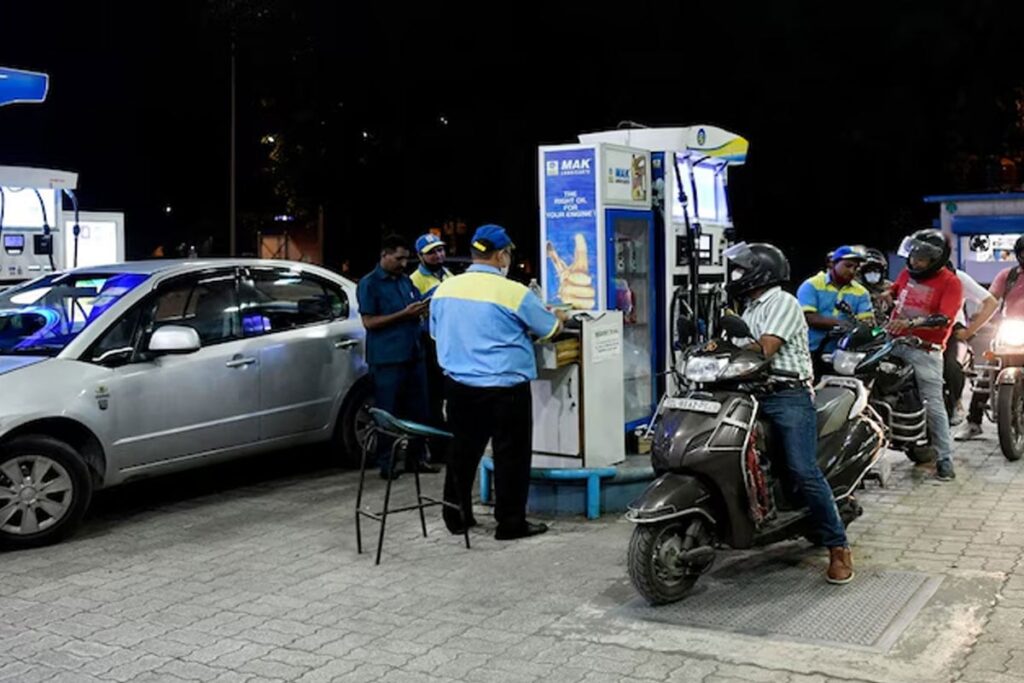
Excise Duty On Petrol Cut To Rupees 3 From Rs 13 and Diesel To Zero From Rupees 10
West Asia Conflict Fuels Oil Price Hikes Government Cuts Fuel Excise Duty
The complex geopolitical landscape of West Asia has once again cast a long shadow over global economies. Recent conflicts in the region have sent ripples across international markets, most notably triggering a significant surge in crude oil prices. This escalation threatened to ignite inflationary pressures worldwide, including a substantial burden on households and businesses here at home. Recognizing the potential strain on the everyday lives of its citizens, the central government has acted decisively. In a significant move, the concerned ministry announced a substantial reduction in excise duty on both petrol and diesel. This swift action aims to stabilize domestic fuel prices and provide much-needed relief to the common populace amidst a challenging economic environment.
The Global Picture
West Asia remains the lifeblood of global energy supply, housing some of the world’s largest oil producers and critical shipping lanes. Any instability or conflict in this volatile region invariably disrupts supply chains and fuels speculation, driving up the price of crude oil. The latest skirmishes have unfortunately proven this axiom true, pushing international crude benchmarks to higher levels. For import-dependent nations like India, this directly translates into a higher cost of purchasing crude oil from abroad. Local reports from port cities and commodity trading hubs confirm a palpable sense of concern among importers, as the cost of securing crucial energy resources has visibly climbed. This global tremor was set to cascade down to every local pump station, impacting everything from daily commutes to the cost of bringing vegetables to market.
Impact on India
India, being a major oil importer, is particularly vulnerable to fluctuations in global crude prices. A rise in international oil rates directly increases the country’s import bill, putting pressure on foreign exchange reserves and potentially weakening the rupee. More immediately, it translates into higher pump prices for petrol and diesel. This isn’t just an inconvenience for motorists; it’s an economic multiplier. Elevated fuel costs ripple through the entire economy:
- Transportation: Truckers, buses, and logistics companies face increased operational costs, which they often pass on to consumers in the form of higher freight charges. Local courier services and delivery businesses, often highlighted by Omni 360 News for their community impact, also feel this pinch profoundly.
- Agriculture: Farmers rely on diesel for tractors, irrigation pumps, and transporting produce to markets. Higher diesel prices mean increased cultivation costs, potentially leading to higher food prices.
- Manufacturing: Industries using petroleum products as raw materials or for powering machinery see their input costs rise, leading to more expensive finished goods.
- Household Budgets: For the average household, higher fuel prices eat into disposable income, reducing spending on other goods and services, and generally contributing to a sense of financial squeeze. Small family businesses, as often reported by community news outlets, are particularly sensitive to these shifts.
Government’s Decisive Move
In response to this looming challenge, the central government swiftly intervened. On Friday, a crucial announcement came from the relevant ministry: a reduction of excise duty by ₹10 per liter on both petrol and diesel. This significant cut has recalibrated the tax structure on these essential fuels. Specifically:
- The excise duty on petrol has been brought down to ₹3 per liter.
- Remarkably, the excise duty on diesel has been entirely removed, now standing at ₹0 per liter.
To understand the gravity of this decision, it’s important to grasp what excise duty is. Simply put, excise duty is a tax levied on goods produced or manufactured within the country. For fuel, it’s a significant component of the final price consumers pay at the pump. By reducing or eliminating this tax, the government directly absorbs a part of the increased cost, preventing it from being fully passed on to the consumers. This move showcases a clear priority: insulating citizens from external economic shocks.
Benefits for the Citizenry
The direct consequence of this excise duty reduction is an immediate drop in petrol and diesel prices across the nation. This provides tangible relief across various segments of society:
- Commuters: Daily office-goers, students, and families using personal vehicles will see their monthly fuel expenses decrease, putting more money back in their pockets.
- Transporters and Businesses: The logistics sector, from large freight carriers to local delivery services, will experience reduced operating costs. Local market reports suggest this will help ease pressure on pricing for consumer goods. This stabilization is crucial for the small and medium enterprises that form the backbone of local economies, a fact Omni 360 News often highlights in its regional economic coverage.
- Farmers: With diesel now free of central excise duty, agricultural input costs will be significantly lower. This can help stabilize food prices and protect farmers’ incomes.
- Inflation Control: By capping fuel price increases, the government directly tackles one of the primary drivers of inflation. Lower transportation costs mean that the prices of essential goods, from food to electronics, are less likely to skyrocket, benefiting every household. This proactive measure is a strategic step towards maintaining overall price stability.
Economic Rationale and Future Outlook
While the excise duty cut provides immediate relief, it also entails a substantial revenue loss for the central government. This is a deliberate trade-off, prioritizing public welfare and economic stability over short-term revenue gains. The decision reflects the government’s commitment to using fiscal tools to manage economic challenges stemming from global events.
As West Asia continues to navigate its complex political landscape, global oil markets will likely remain volatile. However, this proactive measure by the central government demonstrates a clear intent to buffer its citizens from such external turbulences. This ensures that while Omni 360 News continues to report on global events, the domestic economic impact is managed thoughtfully, safeguarding the purchasing power of the common person and fostering an environment of stability.
Key Takeaways:
- Ongoing conflicts in West Asia have caused a significant surge in global crude oil prices.
- Rising international oil rates threatened to inflate domestic fuel prices and broader inflation in India.
- The central government has cut excise duty on petrol by ₹10 per liter, bringing it to ₹3 per liter.
- Excise duty on diesel has been completely removed, now standing at ₹0 per liter.
- This decision will directly reduce fuel prices, easing financial burden on commuters, transporters, and farmers.
- The move is a strategic step to control inflation and protect the purchasing power of the common citizen.
- The government prioritizes public welfare and economic stability despite potential revenue implications.





