
play
Monarchs Soar! An Environmental Comeback Story We Needed
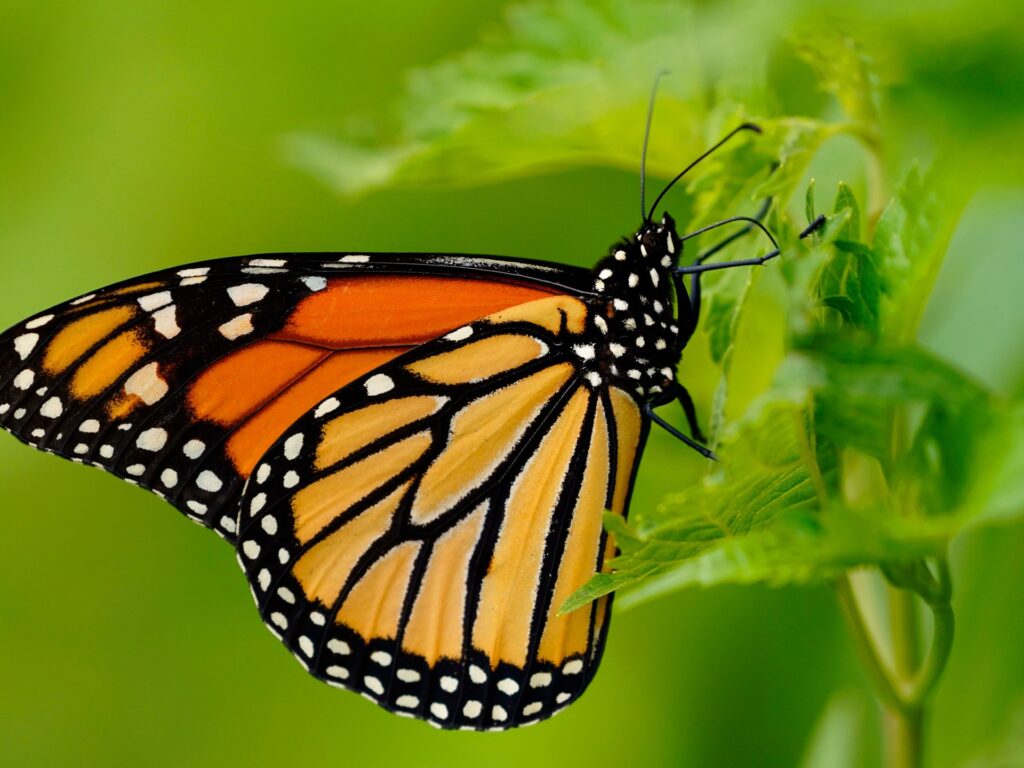
For years, the plight of the monarch butterfly felt like a quiet tragedy unfolding in our backyards. We watched fewer of their vibrant orange wings flit past, heard warnings about dwindling numbers. But finally, a reason to cheer has arrived. A breath of fresh air, a moment of genuine hope.
Recent counts from their wintering grounds in California tell an incredible story: the western monarch population just jumped by a staggering 64 percent. That’s not a small bounce; it’s a monumental leap from the critically low numbers we’ve seen. While they’re not out of the woods yet – far from it – this news offers a much-needed shot of optimism. It shows what’s possible when conservation efforts actually pay off.
Is this comeback a fluke, or can we make it last?
The western monarch butterfly population saw an impressive 64 percent surge this year. This significant increase, a welcome reprieve from near extinction, is attributed to a combination of favorable weather patterns and dedicated conservation initiatives, including widespread milkweed planting and reduced pesticide application. It’s a clear signal that focused human effort can aid struggling species.
So, what’s actually happening here is simple: A confluence of factors likely contributed to this heartening uptick. Mild weather in key breeding areas probably played a part, offering ideal conditions for caterpillars and adults. But we can’t ignore the grassroots efforts either. People planting milkweed, avoiding pesticides, and simply caring enough to notice have made a difference. This isn’t just nature doing its thing; it’s nature getting a helping hand.
This isn’t a signal to relax, though. Far from it. While a 64 percent increase feels monumental, these populations are still a fraction of what they once were. The challenges haven’t evaporated. Habitat loss, climate change, and continued pesticide use remain ever-present threats. This year’s good news is more of a powerful reminder: our actions have consequences, both negative and positive. We’ve seen what happens when we neglect these delicate ecosystems. Now, we’re seeing a glimpse of recovery when we decide to intervene, to nurture, to protect. It’s a testament to resilience, both theirs and, perhaps, ours.





